


What artificial jewelry actually means in Pakistan's market
Artificial jewelry is a broad category that includes jewelry made without solid gold, silver, or platinum. In Pakistan, terms such as artificial jewelry, fashion jewelry, costume jewelry, and imitation jewelry are often used interchangeably, although the materials and construction can differ considerably.
The most important difference is what sits underneath the visible gold-coloured finish. A piece may use brass, zinc alloy, or stainless steel as its base, with different coating methods applied over it. Two pieces can look almost identical in photographs but behave differently when exposed to sweat, water, friction, perfume, and regular wear.
Three common combinations found in Pakistan are conventional gold plating over brass, imitation jewelry made with zinc alloy, and 18K PVD gold plating over stainless steel. If you are buying for regular use, checking the base metal and coating method gives you more useful information than simply looking at the colour or price.
For a broader explanation of these terms, see our artificial vs gold plated vs imitation jewelry guide.
Which type of artificial jewelry is better for you?
There is no single type that is best for every situation. The right choice depends on how often you intend to wear the jewelry and how much exposure it will receive.
| Type | Common base | Better suited to | Main consideration |
|---|---|---|---|
| Conventional gold plated jewelry | Brass | Occasional wear | Base-metal reaction and coating wear |
| Imitation jewelry | Zinc alloy | Fashion and occasion wear | Material quality can vary |
| 18K PVD gold plated jewelry | Stainless steel | Frequent or daily wear | Still requires reasonable care |
If you wear jewelry frequently, a stainless steel base provides a more corrosion-resistant foundation than reactive base metals such as brass. The coating also matters. PVD is a coating process designed for greater surface durability than conventional electroplating, although its actual performance still depends on coating quality, construction, friction, and care.
Why the base metal matters more than the gold colour
The visible gold colour does not tell you what the jewelry is made from underneath. The base metal affects how the piece responds to moisture, sweat, friction, and skin contact.
Brass and copper-containing alloys can react with sweat and moisture. This can contribute to green or dark marks on skin, particularly when the surface coating has worn down. Zinc alloy is also widely used in lower-cost imitation jewelry, but its properties depend on the specific alloy and construction.
Stainless steel behaves differently and generally provides greater resistance to corrosion. When 18K PVD coating is applied over a stainless steel base, the combination provides a durable surface with a more resistant underlying material.
For more detail on this combination and its suitability for regular wear, see our stainless steel and 18K gold plating guide.
How long does artificial jewelry actually last?
There is no reliable lifespan that applies to every piece of artificial jewelry.
A conventional electroplated brass piece may show visible wear within weeks when it is worn frequently and exposed to friction, water, sweat, or chemicals. Better construction and careful use can extend its useful life.
18K PVD coating over stainless steel generally offers greater surface durability than conventional electroplating. However, the actual lifespan still depends on the thickness and quality of the coating, the construction of the jewelry, how often it is worn, and the conditions it encounters.
Rings and bracelets usually experience more friction than necklaces. Jewelry worn during hand washing or other repeated water exposure may also experience more wear than a piece used occasionally.
For a detailed explanation of the factors affecting PVD jewelry lifespan, see our PVD coating durability and lifespan guide.
Why artificial jewelry fades, turns green, or tarnishes
Fading, green marks, and tarnishing are not the same problem.
Fading is usually related to physical wear. Repeated friction can gradually reduce the thickness of a surface coating, particularly around edges, clasps, and other high-contact areas.
Green marks are commonly associated with copper-containing base metals reacting with moisture and sweat. They can become more noticeable when the surface coating wears down and exposes the underlying metal.
Tarnishing is a separate surface reaction influenced by the material, air, moisture, storage conditions, and exposure to chemicals.
The best solution therefore depends on the actual cause. Better care can reduce unnecessary wear and chemical exposure, but it cannot turn a reactive base metal into a different material.
See our guide to why jewelry fades so fast for a more detailed explanation.
Is artificial jewelry safe for sensitive skin in Pakistan?
Artificial jewelry is not automatically suitable or unsuitable for sensitive skin. The material, coating, construction, and individual sensitivity all matter.
Some people may experience irritation from certain metals. Skin discoloration can also occur when the underlying metal comes into contact with sweat after the surface coating has worn down.
Stainless steel is generally a more suitable base for prolonged wear than many reactive base metals, but material suitability can still vary between individuals. If you have known metal sensitivity, check the material information before purchasing and stop wearing a piece if it causes persistent irritation.
Earrings require particular attention because the post passes through a piercing. The material used in the post can therefore be more important than the appearance of the front of the earring.
For more information, see our jewelry and sensitive skin guide for Pakistan.
Which artificial jewelry is suitable for daily wear?
Daily wear puts more stress on jewelry than occasional use. The right choice depends on the type of jewelry and what it is exposed to.
Rings experience frequent hand washing, friction, and contact with surfaces.
Bracelets move against clothing, desks, bags, and other objects throughout the day.
Earrings remain in direct contact with the piercing and therefore require greater attention to the post material.
Necklaces generally experience less physical friction than rings and bracelets, although chains can still rub against clothing and skin.
For frequent use, prioritize a corrosion-resistant base, a durable coating, suitable construction, and clear care instructions. No plated jewelry should be treated as completely unaffected by water, chemicals, friction, or wear.
Artificial jewelry for office, daily wear, and occasions
Different situations call for different jewelry choices.
For daily wear, choose pieces that are comfortable, practical, and made from materials suited to frequent use.
For office wear, lightweight earrings, simple rings, and restrained bracelets are generally easier to wear throughout a working day.
For Eid and shaadi events, statement pieces can be chosen based more heavily on design, size, and outfit coordination because they may not be exposed to the same repeated daily friction.
Summer events in Pakistan introduce additional heat, sweat, and moisture. Applying sunscreen, perfume, and other products before putting on jewelry can help reduce unnecessary chemical exposure.
Our shaadi season and summer heat jewelry guide covers these conditions in more detail.
How to care for artificial jewelry so it lasts longer
Good care cannot prevent normal coating wear, but it can reduce unnecessary damage.
Before wearing jewelry, allow perfume, lotion, sunscreen, and other products to absorb or dry. Putting jewelry on after these products have dried reduces direct chemical exposure.
After wearing, wipe the surface gently with a soft microfiber cloth. This removes moisture, sweat, and residue before the piece is stored.
Store pieces separately where possible. Keeping several pieces together can increase scratching, tangling, and friction.
For rings and bracelets, remove jewelry before activities involving repeated water exposure or heavy friction. Avoid sleeping in pieces when the design can experience continuous rubbing against bedding or skin.
Cleaning also needs to be gentle. Abrasive materials, harsh chemicals, and aggressive polishing can damage plated surfaces.
For a step-by-step cleaning method, see our guide to cleaning gold-plated jewelry at home.
What to check before buying artificial jewelry online in Pakistan
The product itself is only one part of an online jewelry purchase. The seller and the information provided on the product page also matter.
- Base metal: Is it stainless steel, brass, zinc alloy, or another material?
- Coating: Does the seller explain the plating or coating method?
- Size: Are ring sizes, chain lengths, bracelet measurements, or earring dimensions provided?
- Use: Does the seller explain whether the piece is intended for daily or occasional wear?
- Care: Are there clear instructions for water, perfume, cleaning, and storage?
- Exchange policy: Are the conditions clearly written before purchase?
- Delivery: Are delivery charges and available payment methods clear?
- Contact information: Can you reach the seller if there is a problem with the order?
A product described only as "gold plated" gives you limited information. The base metal and coating method are important when trying to estimate how the jewelry will behave with regular use.
For a broader seller-level checklist, see our guide to buying jewelry safely online in Pakistan.
Artificial jewelry by category
The same material can behave differently depending on where it is used.
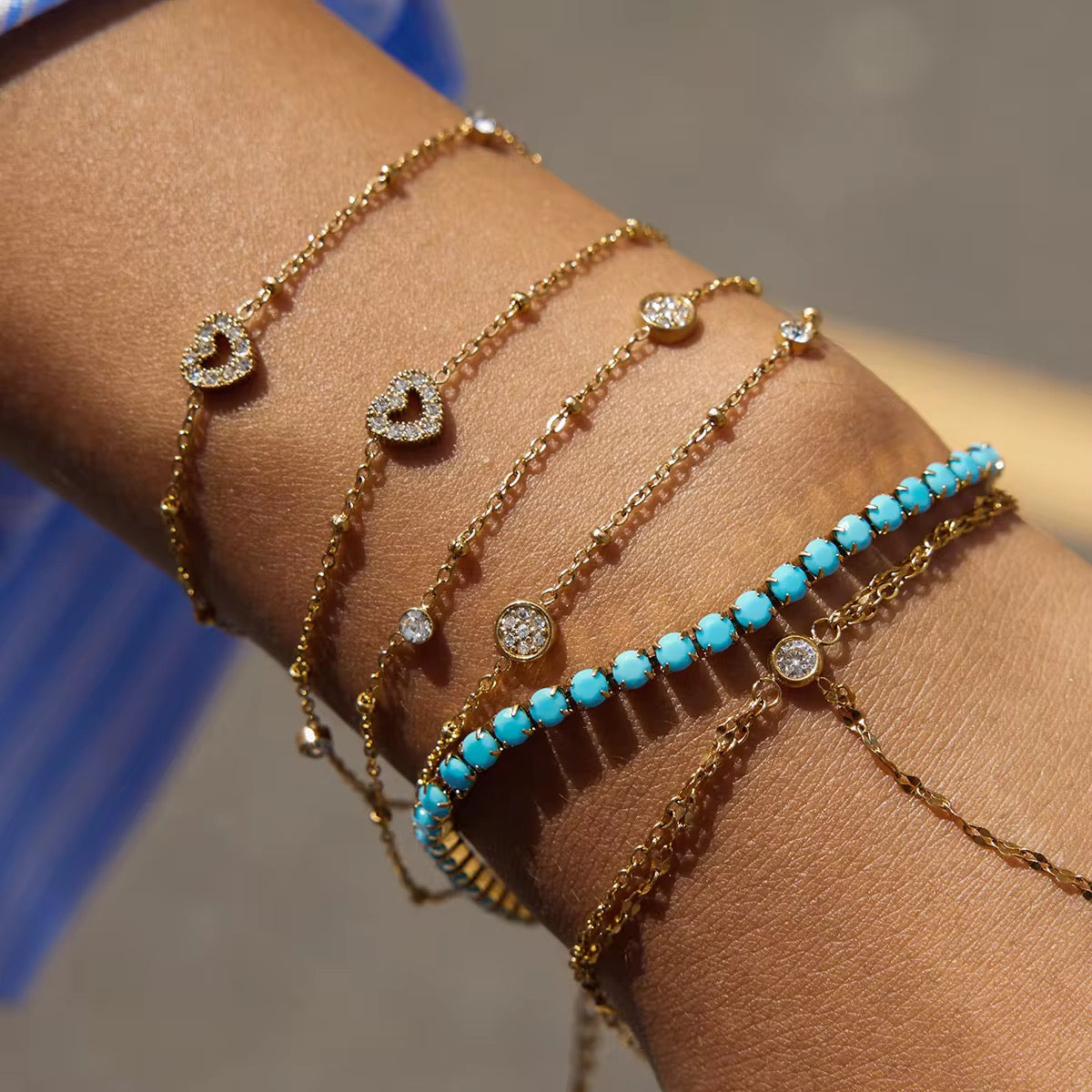
Gold plated bracelets in Pakistan
Bracelets experience frequent movement and friction against clothing, desks, bags, and other surfaces. Base metal, coating durability, construction, and bracelet sizing are therefore important considerations.
Read our gold-plated bracelets guide for Pakistan.
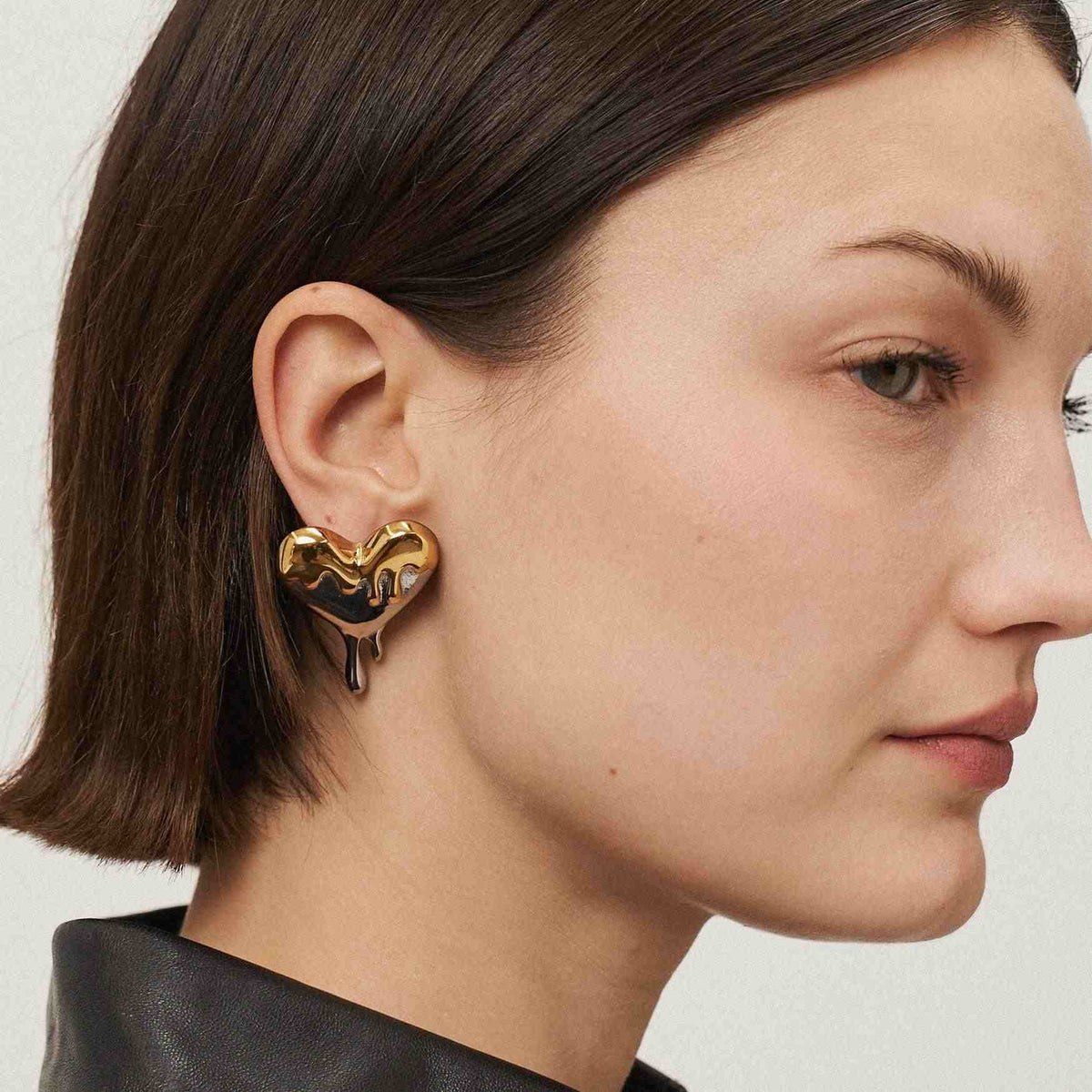
Gold plated earrings in Pakistan
Earrings require attention to both the visible design and the material used in the post. This is particularly relevant for people who experience irritation from certain metals.
Read our gold-plated earrings guide for Pakistan.
Gold plated rings in Pakistan
Rings receive more repeated contact with water, soap, surfaces, and skin than many other jewelry types. Correct sizing also matters because an incorrectly sized ring can increase friction and discomfort.
Read our gold-plated rings guide for Pakistan.
Gold plated necklaces in Pakistan
Necklaces generally experience less surface friction than rings and bracelets, but chain construction, length, pendant weight, and contact with clothing still affect how comfortable they are to wear.
Read our gold-plated necklaces guide for Pakistan.
How to build an artificial jewelry collection that actually gets worn
Buying more pieces does not necessarily create a more useful jewelry collection. A better approach is to start with pieces that cover your regular outfits and occasions.
A practical sequence is:
- Daily foundation: Start with pieces you can wear regularly, such as simple earrings, rings, bracelets, or necklaces.
- Office pieces: Add designs that work with your normal workwear without requiring special styling.
- Occasion pieces: Add statement jewelry for Eid, weddings, parties, and other events.
- Specific-use pieces: Add pieces only when they fill a genuine gap rather than duplicating something you already own.
Before buying another piece, check whether you already own something that serves the same purpose. This keeps the collection easier to rotate and care for.
For a more detailed approach, see our guide to building a jewelry collection in Pakistan.
A simple artificial jewelry buying checklist
If you are comparing artificial jewelry online, use this order:
- Check the base metal. Stainless steel, brass, and zinc alloy have different properties.
- Check the coating. Find out whether the piece uses conventional electroplating, PVD, or another coating method.
- Match the piece to your use. Daily wear requires different considerations from occasional event wear.
- Check the size. A good-looking piece is not useful if the ring, bracelet, or necklace does not fit correctly.
- Read the care instructions. Understand how the seller expects the jewelry to be handled.
- Check the seller's policies. Review exchange, delivery, payment, and contact information before ordering.
- Compare the material information, not just the price. A cheaper piece and a more expensive piece may use different base metals, coatings, or construction.
Frequently asked questions
Q1. What is artificial jewelry made of in Pakistan?
Artificial jewelry in Pakistan can use several base metals, including brass, zinc alloy, and stainless steel. A surface coating is then applied to create the desired colour or finish. The base metal and coating method both affect how the piece behaves during use.
Q2. Why does cheap artificial jewelry turn skin green in Pakistan?
Green discoloration is commonly associated with copper-containing base metals reacting with sweat and moisture. It can become more noticeable when the surface coating wears down and exposes the underlying metal.
Q3. How long does good quality artificial jewelry last in Pakistan?
There is no fixed lifespan. Durability depends on the base metal, coating method, coating quality, jewelry design, frequency of wear, friction, moisture, chemicals, and care. 18K PVD over stainless steel generally provides greater surface durability than conventional electroplated brass, but it still requires appropriate care.
Q4. Is artificial jewelry safe to wear every day in Pakistan?
It depends on the materials, construction, coating, and individual wearer. Stainless steel-based jewelry with a durable coating can be more suitable for frequent wear than reactive base metals, but individual sensitivity varies.
Q5. Can artificial jewelry be worn in water?
Water exposure should be minimized for plated jewelry, particularly prolonged or repeated exposure. Sweat, soap, chlorine, salt water, and other substances can increase wear depending on the material and coating. Removing jewelry before swimming, showering, or similar activities is a practical way to reduce unnecessary exposure.
Q6. Does perfume damage artificial jewelry?
Perfume and other cosmetic products can contribute to surface wear depending on their ingredients and the jewelry's coating. A simple precaution is to apply perfume first, allow it to dry, and then put on the jewelry.
Q7. What should I look for when buying artificial jewelry online in Pakistan?
Start with the base metal and coating method. Then check sizing, product specifications, care instructions, exchange terms, delivery information, payment options, and the seller's contact details.
Q8. Where can I buy 18K PVD artificial jewelry in Pakistan?
Mithra & Co offers jewelry made with 18K PVD coating over stainless steel and provides cash on delivery in Pakistan. You can browse 18K PVD artificial jewelry in Pakistan.
Still deciding what to buy?
If your main concern is durability, start with the PVD jewelry durability guide.
If your concern is daily wear, see the guide to choosing jewelry for different uses.
If your concern is skin sensitivity, read the sensitive skin and jewelry guide.
If you are ready to compare pieces, browse Mithra & Co's artificial jewelry collection.

Leave a comment
This site is protected by hCaptcha and the hCaptcha Privacy Policy and Terms of Service apply.