

Why these three terms cause so much confusion in Pakistan
Walk into any jewelry market in Karachi or Lahore, or scroll through any Pakistani online jewelry platform, and you will encounter all three terms within minutes — often used to describe pieces that look identical in photographs. "Artificial jewelry." "Gold plated." "Imitation." Most buyers use them interchangeably. Most sellers use them loosely. The result is a category where the terminology tells you almost nothing reliable about what you are actually buying.
This matters because the three terms describe genuinely different constructions with genuinely different performance profiles. A piece described as "artificial jewelry" in a bazaar context and a piece described as "18K gold plated" on a reputable online platform may look identical in a product photo and perform completely differently under three months of daily Pakistani wear. Understanding what each term actually means — and more importantly, what questions to ask when the terms are used vaguely — is the difference between a purchase that holds up and one that gets retired within a season.
What "artificial jewelry" actually means in Pakistan
In Pakistani market usage, "artificial jewelry" is a broad catch-all term that simply means non-precious — jewelry that is not made from solid gold, silver, or platinum. It encompasses everything from the cheapest zinc alloy bazaar pieces to high-quality stainless steel fashion jewelry. The term itself tells you nothing about the base metal, the coating method, the durability, or the skin safety of the piece. It only tells you it is not fine jewelry.
This is why "artificial jewelry" as a descriptor is almost useless as a quality signal. A Rs. 300 zinc alloy piece covered in thin electroplating and an 18K PVD coated stainless steel piece at Rs. 2,500 are both "artificial jewelry" under Pakistani market terminology. They will behave entirely differently under daily wear in Pakistan's climate — but the term applied to both is identical.
The practical implication: whenever you see "artificial jewelry" as the primary description, it tells you only that the piece is not precious metal. It does not tell you the base metal, the coating type, or how long it will last. To get useful information, you need to ask the follow-up questions: what is the base metal, and what is the coating method?
What "imitation jewelry" means — and how it differs from "artificial"
In stricter usage, "imitation jewelry" has a more specific meaning than "artificial jewelry" — it refers to pieces that are designed to visually replicate precious metal or gemstone jewelry at a fraction of the cost. The emphasis is on the replication intent rather than just the non-precious material status.
In practice in the Pakistani market, the two terms are largely interchangeable and both suffer from the same problem: neither specifies base metal or coating method, which are the variables that actually determine performance. "Imitation gold" typically means a gold-coloured coating over some unspecified base metal. "Imitation diamond" typically means cubic zirconia or glass stones set in a metal that may or may not be disclosed.
The term "imitation" carries a slightly more negative connotation in some Pakistani markets — associated with the lowest-quality bazaar pieces — while "artificial" is the more neutral everyday term. But neither is a reliable quality indicator without further specification.
What "gold plated" means — and why it is also insufficient without further information
"Gold plated" is more specific than "artificial" or "imitation" in one dimension: it tells you the surface finish is actual gold, applied as a thin coating over a base metal. But it remains insufficient as a quality signal because it does not specify:
- What the base metal is — brass, zinc alloy, copper, or stainless steel all produce completely different performance results under daily Pakistani wear conditions, regardless of what gold coating sits on top
- How the gold was applied — standard electroplating and PVD coating produce coatings of fundamentally different thickness, adhesion strength, and durability even when both are described simply as "gold plated"
- What karat the gold is — 14K, 18K, and 24K gold produce different surface colours and slightly different corrosion resistance, none of which is clear from "gold plated" alone
A Rs. 400 brass piece with 0.5 micron electroplated gold and a Rs. 2,500 stainless steel piece with 18K PVD gold at 1 to 2 microns are both accurately described as "gold plated." Under daily Pakistani wear conditions, one begins showing visible wear within weeks. The other lasts years. The term does not distinguish them. For the full comparison of every plating type available in the Pakistani market, the gold plating types guide covers every construction with realistic lifespan data.
The terms that actually tell you something useful
The terminology that gives you reliable information about a piece's construction and likely performance under Pakistani conditions:
| Term | What it tells you | What it does not tell you | Reliability as quality signal |
|---|---|---|---|
| Artificial jewelry | Not precious metal | Base metal, coating, durability | Very low |
| Imitation jewelry | Visually replicates precious metal | Base metal, coating, durability | Very low |
| Gold plated | Gold-colour surface coating present | Base metal, coating method, thickness | Low without further specification |
| 18K gold plated | Gold purity of the coating is 18K (75% pure) | Base metal, coating method, thickness | Low-medium without base metal specification |
| 18K PVD gold plated | 18K gold applied via vacuum deposition — thicker, stronger bond | Base metal still not specified | Medium — good coating signal |
| 18K PVD on stainless steel | Both base metal and coating method specified | Specific micron thickness | High — both critical variables disclosed |
| 316L surgical stainless steel base | Specific grade of stainless steel — medical grade | Coating method | High — base metal fully specified |
Buyers who want to verify whether a seller is trustworthy — not just whether the product description is accurate — should run through the seller safety checklist for online jewelry in Pakistan before placing any order.
The two pieces of information that together give you a reliable quality signal are the base metal and the coating method. A brand that discloses both is giving you the information you need to predict performance. A brand that uses only "artificial," "imitation," or generic "gold plated" language without base metal specification is withholding the information that matters most — usually because the base metal is brass or zinc alloy, which are the reactive metals that cause the green marks, skin irritation, and rapid surface degradation most commonly complained about in Pakistani online jewelry reviews.
What the base metal determines — and why it matters more than the coating in Pakistan
In Pakistan's specific conditions — humidity between 70 and 90 percent in coastal cities, summer temperatures above 40°C in major inland cities, daily sweat exposure, regular wuzu — the base metal is the variable that most directly determines daily performance. Here is what each common base metal produces under these conditions:
-
Brass (copper 60–70%, zinc 30–40%)The most common base metal in "artificial" and "imitation" jewelry across Pakistani markets. Reactive under sweat and moisture. Once the surface coating wears through at high-friction contact points — the inner ring band, the bracelet underside, the earring post — the copper in the brass oxidises against skin and produces the green marks and irritation that most Pakistani buyers associate with cheap jewelry. Under Pakistan's climate, this breakthrough happens faster than in cooler environments. Standard electroplated brass jewelry shows these effects within weeks to months of daily Pakistani wear depending on friction exposure.
-
Zinc alloyThe base metal in the most affordable "artificial" pieces. Composition varies by manufacturer — sometimes copper-containing, sometimes not. Generally more brittle than brass, more prone to structural breakage at clasps and settings under daily wear stress. Surface coating adhesion is typically lower than on brass, meaning visible wear and coating separation often appear earlier. In Pakistani humidity, zinc alloy pieces show surface degradation faster than brass equivalents under the same daily wear conditions.
-
Stainless steelNon-reactive base metal. Does not contain copper at concentrations that cause skin reactions. Does not oxidise under sweat, water, or the organic acids in perspiration at body temperature. The same grade used in surgical instruments and implantable medical devices — its biological inertness under repeated body chemistry exposure is a material property, not a marketing claim. A stainless steel ring worn daily through Pakistan's full summer produces no green marks and no skin reaction regardless of how long it is worn or how often wuzu is performed. The surface coating eventually wears at high-friction contact points — but the base underneath creates no reaction when it does.
This is why the question "is it stainless steel?" is more useful than the question "is it gold plated?" when evaluating any piece of "artificial" or "imitation" jewelry for daily Pakistani wear. The gold plating determines appearance. The base metal determines skin safety and long-term performance. Both matter — but under Pakistan's specific conditions, the base metal matters more. For the detailed explanation of why Pakistan's climate specifically accelerates the reactions that make brass-base jewelry fail faster here than elsewhere, the guide to why jewelry turns skin green covers the chemistry in detail.
Where Mithra's jewelry sits in this category — honest positioning
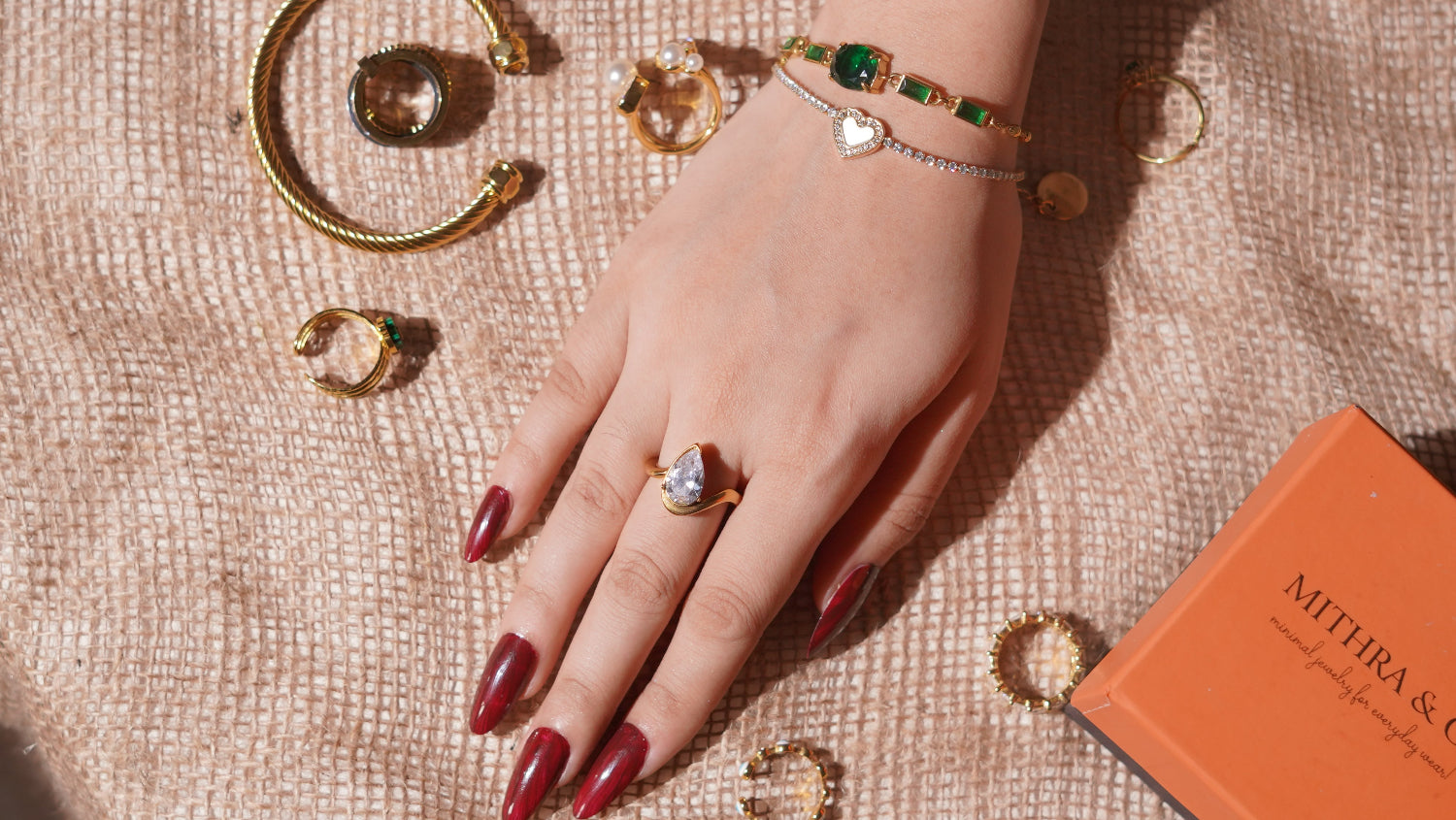
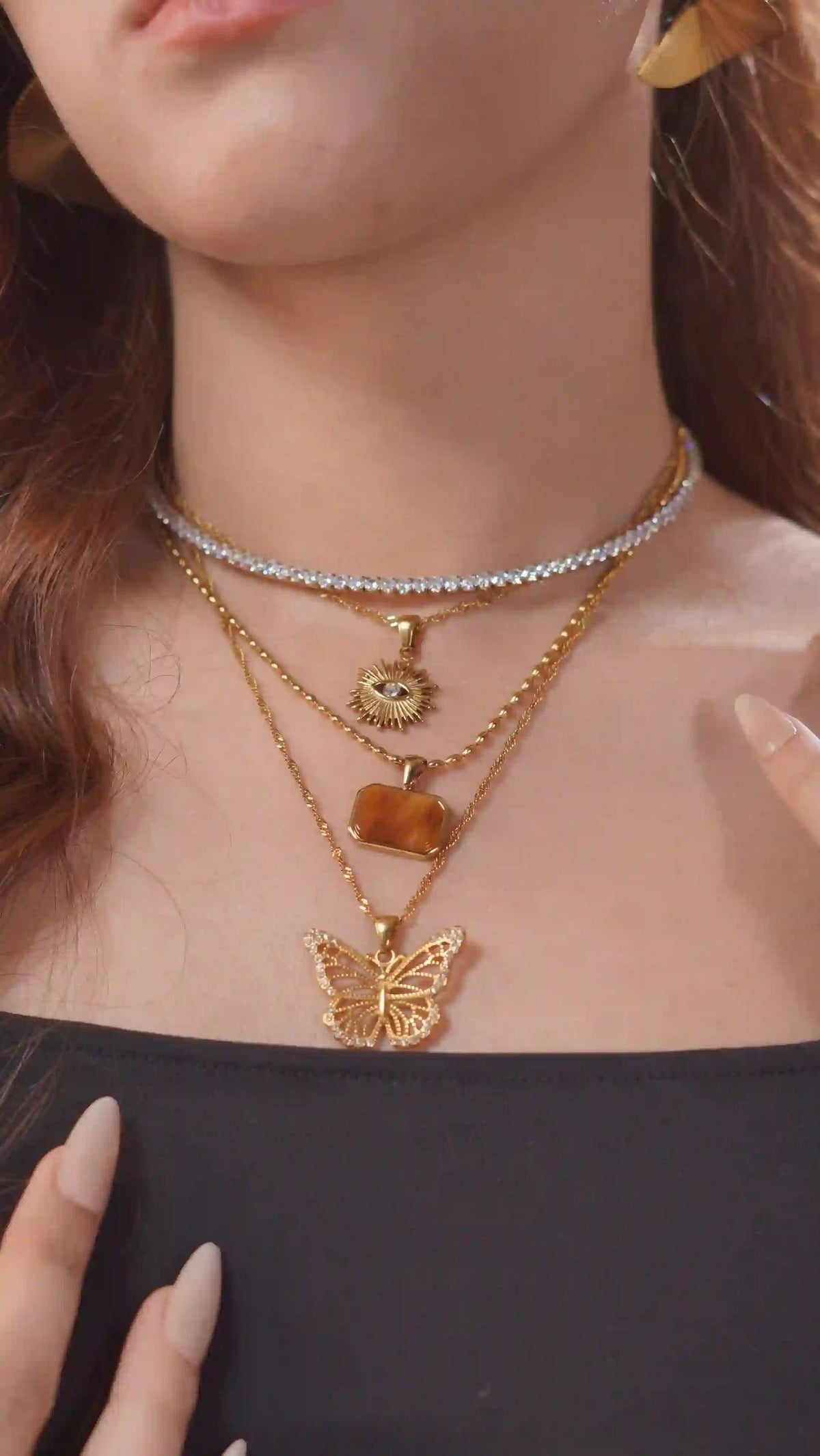
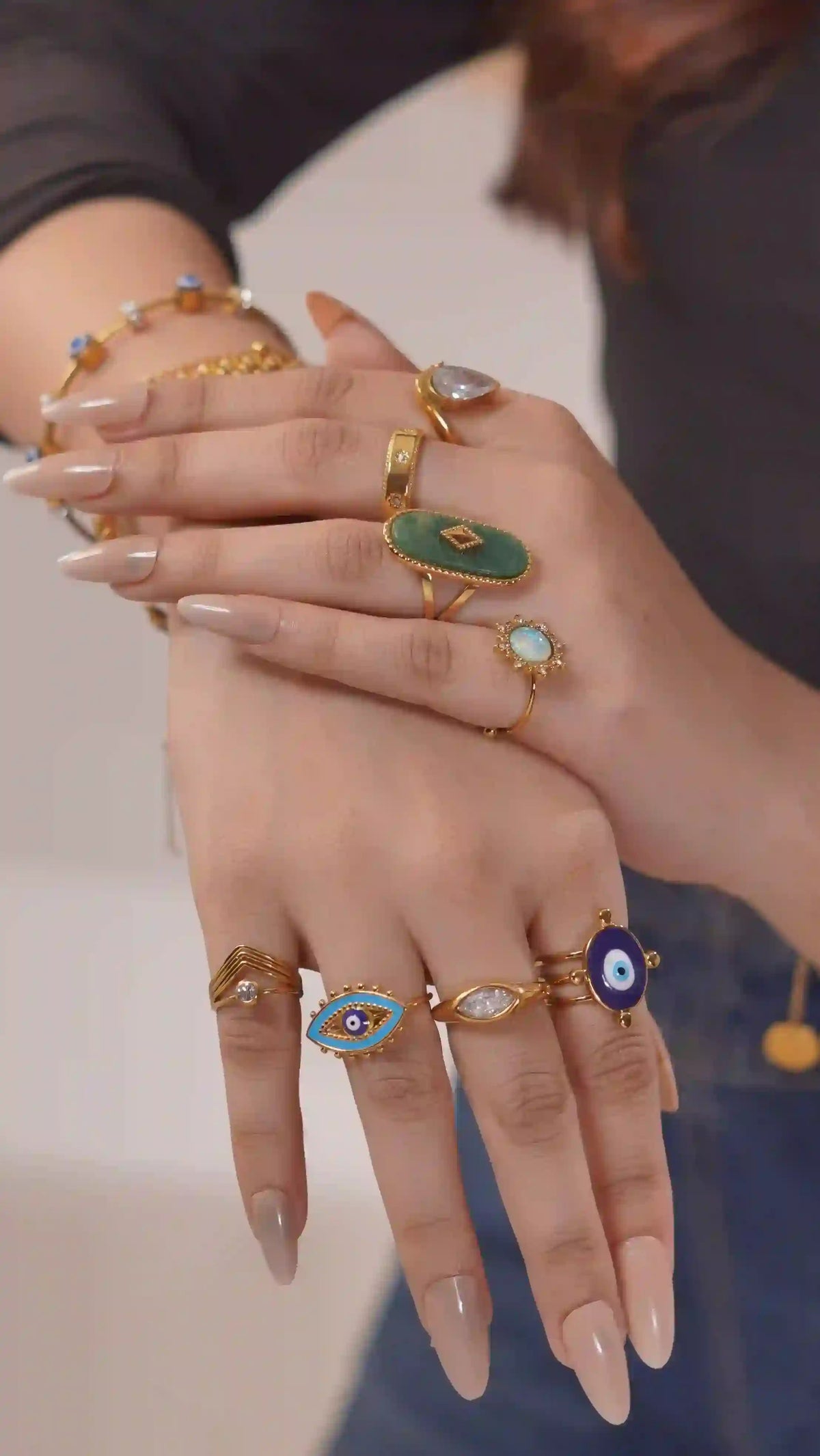
Mithra makes fashion jewelry — gold plated stainless steel pieces that are correctly described as artificial or fashion jewelry in the category sense. They are not fine jewelry. They are not precious metal. They do not carry resale value and should not be purchased as financial assets. This is honest and it is important to say directly.
Within the fashion jewelry category, the construction Mithra uses — 18K PVD coating over surgical-grade stainless steel — sits at the more durable end of what is available in the Pakistani market at this price point. The distinction between Mithra's pieces and the "artificial" jewelry commonly available in Pakistani bazaars and lower-end online platforms is base metal and coating method, both of which are specified on every product listing. That transparency is itself the quality signal — brands that disclose base metal and coating type are more likely to be using materials worth disclosing.
The full detail on exactly how PVD coating differs structurally from standard electroplating — and what that difference means for daily wear lifespan in Pakistan — is in the PVD durability guide.
The three questions to ask before buying any jewelry in Pakistan
Regardless of whether a listing uses "artificial," "imitation," "gold plated," or any other terminology — these three questions produce the information that actually predicts performance:
- What is the base metal? Stainless steel, brass, or zinc alloy. If the answer is not specific, treat it as brass or zinc alloy — the metals that cause skin reactions under Pakistani daily wear conditions.
- What is the coating method? PVD or standard electroplating. PVD produces a more durable coating with stronger adhesion. Standard electroplating produces a thinner surface deposit. Both are real gold coatings but they perform differently under friction and moisture exposure.
- What karat is the gold in the coating? 18K is the most common in quality fashion jewelry and produces a richer gold colour and marginally better surface durability than lower karat alternatives.
First-time buyers who are also navigating material types, sizing, and what a trustworthy product listing looks like for the first time will find the simple jewelry guide for Pakistan a useful starting point before applying these three questions.
A product listing that answers all three questions is providing the information needed to make an informed purchase decision. A listing that answers none of them — or responds to these questions with "high quality metal" or "premium finish" without specifics — is not giving you what you need. That vagueness is itself the signal. For the complete guide to reading online jewelry listings before purchasing in Pakistan, the honest buyer's guide to online jewelry in Pakistan covers every check in detail.
Frequently asked questions
Q1. What is the difference between artificial jewelry and gold plated jewelry in Pakistan?
A:"Artificial jewelry" is a broad market term meaning non-precious — any jewelry not made from solid gold, silver, or platinum. "Gold plated" is more specific — it means the surface has a real gold coating applied over a base metal. But gold plated is still insufficient as a quality signal without knowing the base metal (stainless steel vs brass vs zinc alloy) and the coating method (PVD vs standard electroplating). The most useful description combines all three: base metal, coating method, and gold karat — for example, "18K PVD on stainless steel."
Q2. Is imitation jewelry the same as artificial jewelry in Pakistan?
A: In Pakistani market usage, essentially yes — both terms mean non-precious jewelry. "Imitation" sometimes carries a connotation of replicating the appearance of precious metals or stones, while "artificial" is the more neutral everyday term. Neither tells you anything useful about base metal, coating quality, or durability. Both require the same follow-up questions: what is the base metal, and how was the coating applied.
Q3. Why does artificial jewelry turn skin green in Pakistan?
A: Because most traditional "artificial" jewelry in Pakistan uses brass or a copper-containing alloy as its base metal. When the surface coating wears through at contact points, the copper in the base metal oxidises against sweat — producing copper salts that leave green marks on skin. Pakistan's heat and humidity accelerate this reaction compared to cooler climates, which is why the green marks appear faster here. Stainless steel base metals do not contain copper at reactive concentrations and do not produce this reaction under any normal Pakistani wear conditions.
Q4. Is gold plated jewelry worth buying in Pakistan or should I buy solid gold?
A: For daily wear, 18K PVD gold plated on stainless steel is the more practical choice — it handles Pakistan's daily wear conditions without the fragility of solid gold (which scratches more easily) at a fraction of the price. For investment or heirloom pieces, solid gold serves a different purpose entirely — it holds value and lasts a lifetime. The two categories serve different needs and should not be compared as direct alternatives. Gold plated fashion jewelry is not an investment. It is the most practical daily wear option in its price range, built correctly.
Q5. Where can I buy gold-plated jewelry in Pakistan that explicitly discloses material specs?
A: Look for fashion jewelry brands that explicitly disclose both the base metal and the coating method on their product pages—detailing "18K PVD on surgical stainless steel" rather than relying on vague market terms like "premium alloy." Mithra & Co outlines these complete technical specifications for every piece in its inventory, shipping nationwide with secure cash on delivery (COD). Browse the full collection at mithraofficial.com.

Leave a comment
This site is protected by hCaptcha and the hCaptcha Privacy Policy and Terms of Service apply.