

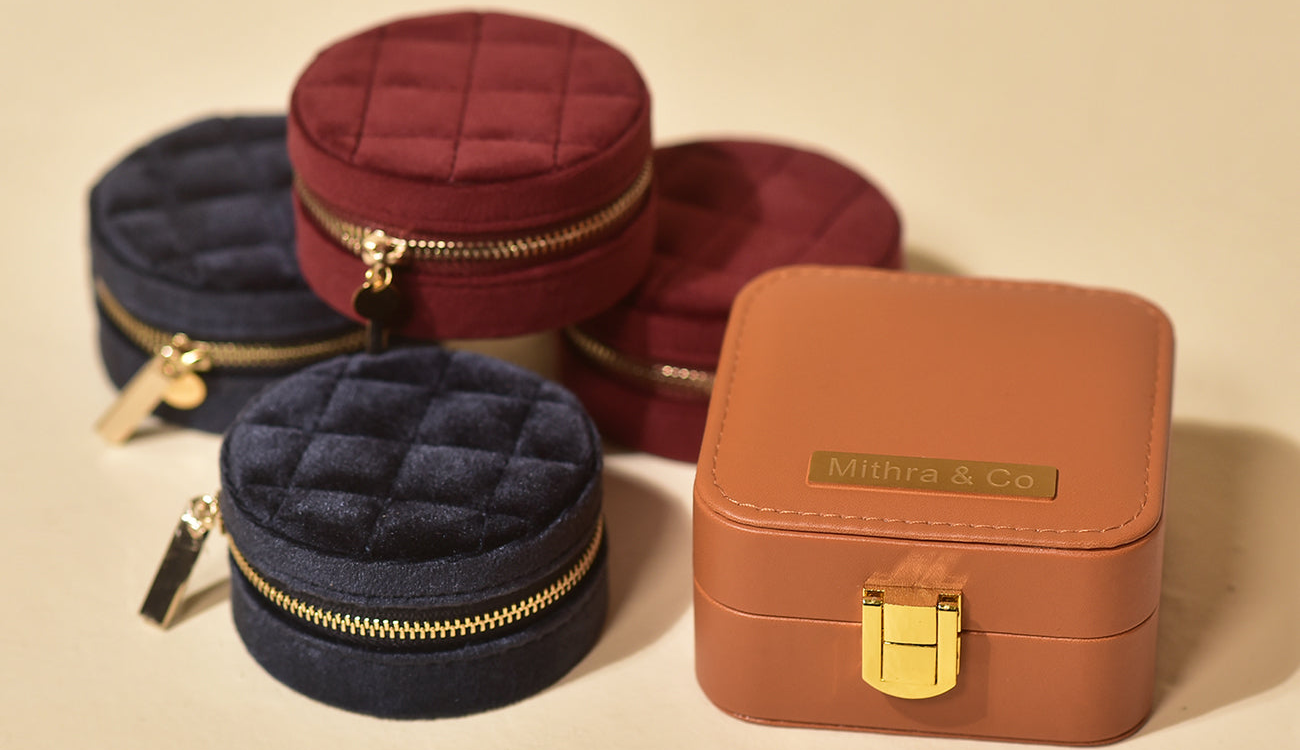
The gift arrived on time. The packaging was nice. She said she loved it. And then you never saw her wear it — not once, not to a single occasion it would have been perfect for. If this has happened to you, you are not alone and you did not necessarily choose badly. You chose without the right framework. That is a fixable problem.
Why Jewelry Is the Most Commonly Gifted and Most Commonly Wrong Present in Pakistan
Jewelry occupies a specific position in Pakistani gift culture. It is the default for Eid, for birthdays, for engagements, for graduations, for "I wanted to get you something meaningful" moments. It photographs well, it comes in a box, it feels like a real gift in a way that a gift card does not. So it gets chosen constantly — by husbands, brothers, fathers, friends, and anyone else trying to do something thoughtful for someone they care about.
The problem is that jewelry is also one of the most personal purchase decisions that exists. More than clothes, more than shoes, more than almost anything else you can buy for another person — jewelry intersects with someone's body, their existing wardrobe, their personal aesthetic, their skin tone, their daily habits, and a set of preferences they may have never articulated out loud even to themselves. Getting it right without inside knowledge of all of those things is genuinely difficult.
Most jewelry gifts in Pakistan do not fail because the giver did not care. They fail because the giver had no system for navigating a product category where the gap between "looks good" and "will actually be worn" is wider than almost anywhere else in retail. Understanding how to choose jewelry that fits real life in Pakistan is what separates a gift that gets worn from one that gets shelved.
A jewelry gift that sits unworn is not a bad gift that got a polite reaction. It is a good intention that needed better information behind it.
The Four Ways Jewelry Gifts Go Wrong — In Order of How Often They Happen
-
Wrong style for the personThe most common failure. The giver picked something they found attractive, or something that looked impressive in a photograph, without accounting for whether the recipient actually wears that kind of jewelry. A heavy statement necklace given to someone who exclusively wears delicate everyday pieces. A traditional jhumka given to someone whose wardrobe is entirely contemporary. A bold ring given to someone who never wears rings at all. The piece is not bad — it simply has no place in the life the recipient is actually living.
-
Wrong size — especially ringsRing sizing is the single most common technical failure in jewelry gifting anywhere in the world, and Pakistan is no exception. A ring that does not fit cannot be worn, regardless of how beautiful it is. And in the Pakistani context, where most buyers are purchasing online without the ability to try pieces on in person, the sizing guess is made with very little information and a relatively high probability of being wrong.
-
Wrong metal toneGold and silver are not interchangeable in a person's collection. Most people have a strong natural preference for one over the other, and their existing pieces are almost entirely in that one tone. A gold piece given to a committed silver wearer — or vice versa — will not integrate into their collection regardless of its quality, because it does not match what they already own and are comfortable wearing.
-
Wrong occasion fitSome pieces are gifts that arrive looking like they belong at a specific occasion — heavy bridal-adjacent sets, very formal statement pieces — when the recipient's life does not currently contain that occasion. The piece waits for a moment that may not come for years, and in the meantime it sits. Gifts that work for daily life get worn. Gifts that require a special occasion to justify wearing them often do not.
The Size Problem — And the Cleanest Solution to It
If you are buying a ring as a gift and you do not know the recipient's ring size — which is almost always the case — you have two options, and one of them is significantly better than the other.
The first option is to guess, or to try to find out discreetly by asking mutual contacts or checking whether any of their existing rings can be measured. This works occasionally and fails often enough to be a meaningful risk on something you are spending real money on.
The second option is to choose an adjustable ring, which removes the sizing problem from the equation entirely. Adjustable rings accommodate a range of finger sizes and can be gently resized by the recipient after receiving them. The gift works on arrival regardless of whether you knew the size. For gifting specifically — where you are almost by definition buying for someone whose exact measurements you do not have — adjustable styles are the most practical choice available.
If the recipient specifically wears fixed-band rings and an adjustable style would feel like a compromise, the size guide at Mithra walks through how to measure at home — including a method using a piece of string and a ruler that works without any specialist tools. If you have any access to one of their existing rings, the guide also explains how to measure a ring rather than a finger, which is often the more practical option when buying a gift discreetly.
What to Actually Observe Before You Buy — The Information Is Usually Already There
The assumption most people make before buying a jewelry gift is that they do not know enough about the recipient's preferences to make a good choice. In most cases, this is not true. The information is available — it just requires a different kind of attention than most people think to pay before an occasion arrives.
-
What they wear dailyThe single most useful data point available to any jewelry gift buyer is what the recipient reaches for on an ordinary day. Not what they wear to events — what they wear to work, to run errands, to meet friends on a casual afternoon. That daily default tells you their metal tone preference, their preferred weight and scale, whether they wear rings at all, whether they tend toward one piece or several, and whether their aesthetic is minimal or layered. One observation on an ordinary day is worth more than ten conversations about what kind of jewelry they like.
-
What they have stopped wearingIf you have seen someone wear a piece and then stop wearing it — a necklace that appeared for a few months and then disappeared, earrings that came out for occasions and then stopped — that is equally useful information. It tells you what styles do not sustain daily interest for them. Avoid buying in that direction regardless of how attractive the piece looks in isolation.
-
What they have mentioned wantingPeople make offhand comments about jewelry more often than they realise. "I have been meaning to get a proper plain chain," or "I want something I can wear every day to the office," or "I never know what to wear with wide necklines." These comments are not wishlist announcements — they are passing observations. But they are enormously useful to anyone paying attention before an occasion comes up. The gift that answers an unspoken want is the one that gets worn.
-
Their wardrobe colour paletteJewelry does not exist in isolation — it exists alongside clothing. Someone whose wardrobe is primarily neutral tones, blacks, and whites will find gold or silver chains integrate naturally into almost every outfit. Someone who wears a lot of colour and print may find that very simple, understated pieces work better than anything that competes visually with the outfit. A quick mental scan of what the recipient typically wears gives you more useful buying guidance than most people realise.
The Safest Jewelry Gift Category — And Why It Works
If observation was not possible before the occasion, or if the occasion arrived without enough lead time to gather information properly, there is a category of jewelry that functions as the most reliable gift choice across the widest range of recipients.
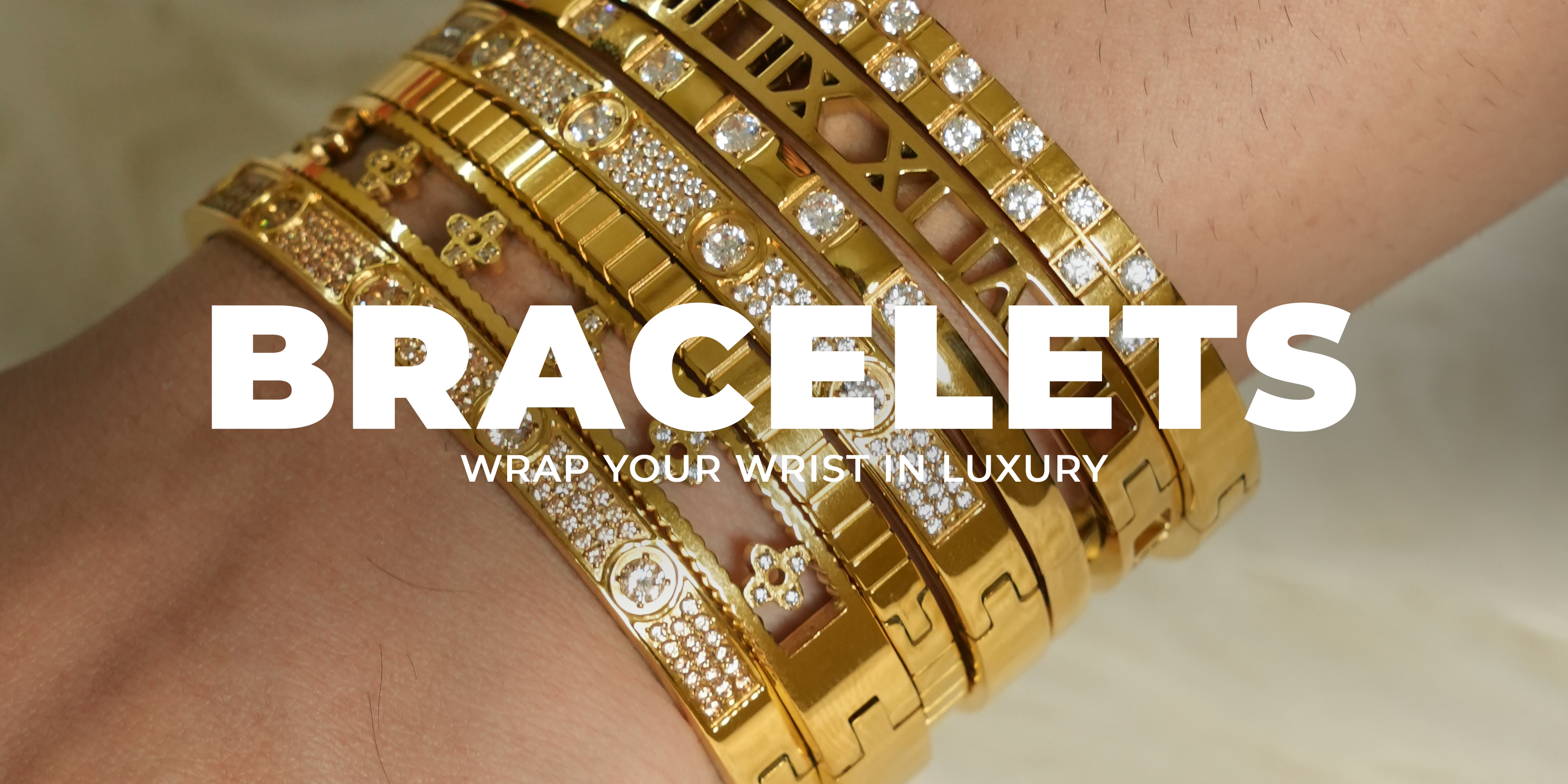
Everyday essentials — thin chains, small studs, slim adjustable rings, delicate bracelets — are the category with the highest probability of being worn after arrival. The reason is functional rather than aesthetic: everyday pieces integrate into existing collections rather than competing with them. They do not require the recipient to change how they dress or what they already own in order to wear the gift. They simply add to what is already working.
Statement pieces and elaborate sets are more visually impressive as gifts, but they carry significantly more risk — because they require a specific occasion, a specific outfit, and a specific mood to justify wearing them. If those requirements do not align within the first few weeks of receiving the gift, the piece goes to the drawer and may not come back out.
The gift that gets worn on a Tuesday is a better gift than the one that waits for a special occasion that has not arrived yet. Everyday pieces get worn on Tuesdays.
When You Want the Gift to Feel Personal — Not Just Practical
The concern with choosing everyday essentials as a gift is that they can feel understated for occasions that call for something more meaningful — a significant birthday, an anniversary, a graduation. A thin chain, however useful, may not feel like enough for a moment that deserves to be marked with something that carries weight.
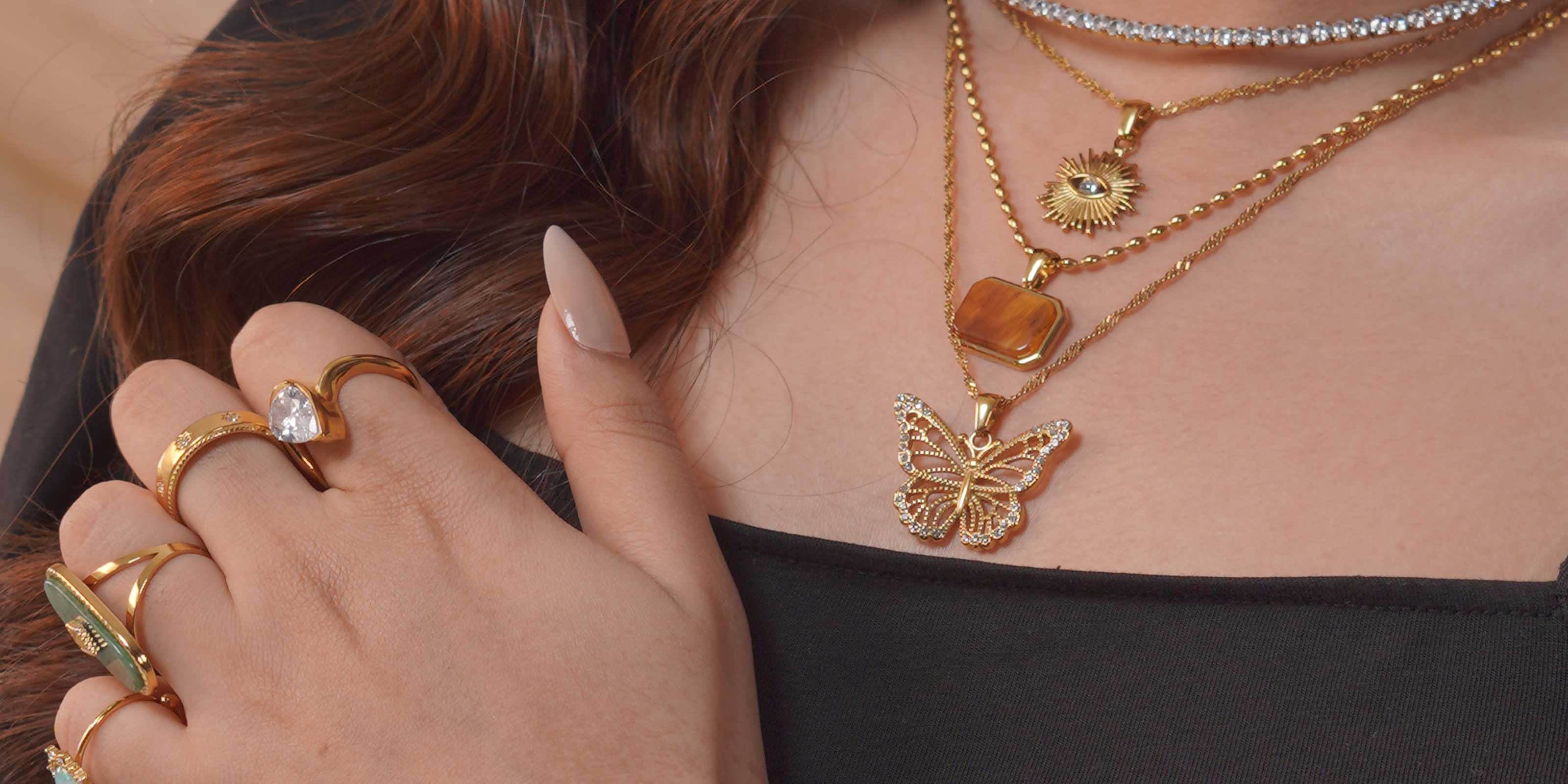
The solution to this is personalisation rather than elaboration. A personalised pendant — a name, a date, an initial, a coordinate — carries emotional weight that a larger, more elaborate piece often does not. It signals that the gift was chosen specifically for this person, not selected from a generic "impressive" category. And because pendants are worn on chains rather than being standalone statement pieces, they integrate into daily wear in the same way everyday essentials do — the recipient can wear it on any ordinary day without it requiring a special occasion to justify.
Personalised pieces also sidestep the style problem almost entirely. A piece engraved with someone's name or a date that means something to them belongs to them in a way that transcends whether it matches their aesthetic perfectly. It has a reason to be worn that goes beyond whether it fits into their usual rotation.
The Budget Question — What Actually Makes Sense for Different Occasions
Jewelry gift budgets in Pakistan vary enormously by occasion and by relationship, and there is often an implicit pressure to spend more than necessary on something that looks impressive rather than something that will genuinely be used. A more useful framework than price point alone:
Small, carefully chosen pieces in the everyday essentials or petit category do more work here than a larger set that gets worn once. The budget spent on one well-chosen piece consistently outperforms the same budget spread across a set where only part of it ever gets used.
This is where a personalised piece earns its place. The additional significance of the occasion justifies something that carries personal meaning — an engraved pendant, a piece in a style you know they have wanted, or a set built around something you have observed them reaching for. The spending feels appropriate because the thought behind it is visible.
Group jewelry gifts work best when they are simple enough to be universally wearable. A thin chain or small studs that the recipient can wear with anything are a better group gift than something specific and elaborate that may not match the recipient's style. The goal in a group gift context is a piece the recipient actually reaches for — not one that impresses the group of givers.
This is the scenario where observation pays off most. If you have paid attention to what they wear daily, their metal tone, and what they have mentioned wanting — the gift can be genuinely specific rather than safely generic. A specific gift from someone who clearly noticed is remembered differently than a beautiful piece that could have been for anyone.
One Practical Note on Buying Jewelry as a Gift Online in Pakistan
The considerations that apply to buying jewelry for yourself online in Pakistan apply with slightly more weight when buying as a gift — because the person evaluating the piece on arrival is not you, and returning or exchanging something on behalf of someone else adds a layer of complexity to an already inconvenient process.
If you have not already read through the honest breakdown of what to check before buying jewelry online in Pakistan, that is worth a few minutes before placing a gift order. The material specification check, the COD option, and the return policy review matter more for gift purchases than for personal ones — because the cost of getting it wrong is higher when someone else is on the receiving end.
COD is available across Pakistan at Mithra, ensuring you retain financial control until the gift is safely delivered to your doorstep. For a gift purchase specifically, this eliminates the risk of paying fully in advance, allowing you to secure the package before completing the exchange. Once received, the recipient can immediately inspect the piece in their own lighting and quickly report any transit defects within the brand's 24-hour window.
FAQs Worth Asking Before You Buy the Gift
Q1. What is the best jewelry gift for a wife or girlfriend in Pakistan?
A: The best jewelry gift is the one that reflects something you have actually noticed about how she dresses daily — her metal tone preference, whether she wears rings, whether she leans minimal or layered. If you are buying without that information, an adjustable thin chain or small studs in her metal tone are the safest choices — they integrate into any existing collection without competing with what she already owns.
Q2. What jewelry should I buy for Eid gifting in Pakistan?
A: Everyday pieces perform significantly better as Eid gifts than elaborate sets — because they get worn immediately rather than waiting for the next formal occasion. A thin gold chain, small stud earrings, or a slim adjustable ring in the recipient's preferred metal tone works across every outfit and every day. The gift that gets worn on the first ordinary day after Eid is a better gift than the one that waits for another occasion.
Q3. Is an adjustable ring a good gift idea in Pakistan?
A: Yes — specifically because it removes the sizing problem that makes ring gifting risky. An adjustable ring fits a range of finger sizes and can be worn immediately on arrival without needing to know the recipient's exact measurement. For gifting contexts where size information is unavailable — which is most gifting contexts — adjustable styles are the most practical ring gift available.
Q4. How do I choose a jewelry gift for someone I do not know very well?
A: Default to the safest universal category — thin chains, small studs, or slim bracelets in gold tone, which is the more universally wearable metal in Pakistan. Avoid rings unless you know the size. Avoid statement pieces that require a specific occasion. The goal is a piece that integrates into whatever collection the recipient already has rather than requiring them to build around it.
Q5. What is the return and exchange policy if the jewelry gift does not fit?
A: At Mithra, exchanges are available within three days of delivery — items must be unworn and in original condition. The recipient contacts Mithra directly with the order number. For rings specifically, choosing an adjustable style at the time of purchase removes the need for an exchange entirely. The size guide also helps measure correctly before ordering if sizing is a concern.
The Gift That Actually Gets Worn
The jewelry gift that lands well is almost never the most elaborate or the most expensive one in the shop. It is the one that reflects something the giver actually noticed — about how the recipient dresses, what they reach for, what they have mentioned, what would fit into the life they are actually living rather than a more formal or more glamorous version of it.
That kind of attention costs nothing and changes everything about how a gift is received. The piece itself is the vehicle. The observation behind it is what makes the difference between something that gets worn every Tuesday and something that waits in a box for an occasion that has not come yet.
Browse the full collection at Mithra with what you have observed in mind — metal tone, scale, occasion, whether they wear rings. The right piece tends to become obvious once you are looking with the right information rather than looking for whatever seems most impressive. COD is available nationwide, ensuring you retain financial control until the gift is safely delivered to your doorstep. Once received, the piece can be immediately inspected in your own lighting, with a 24-hour window to report any transit defects.

Leave a comment
This site is protected by hCaptcha and the hCaptcha Privacy Policy and Terms of Service apply.