

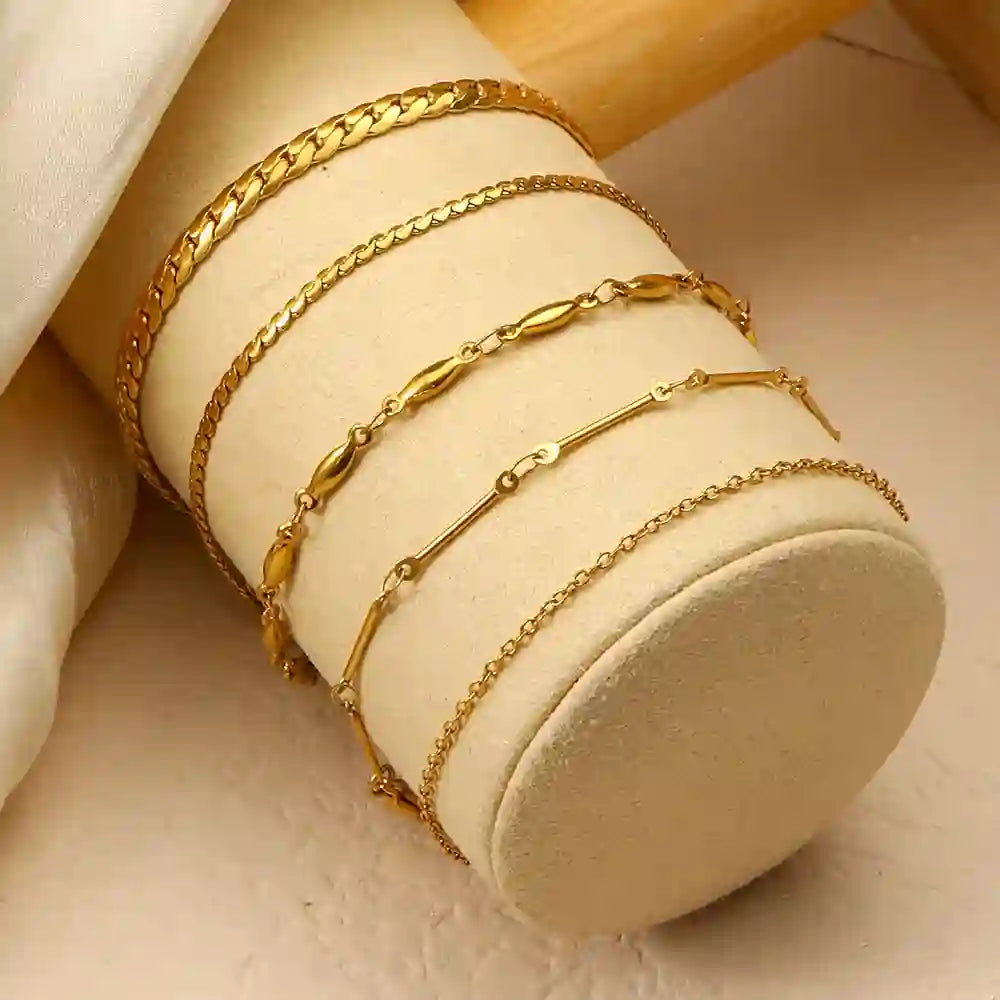
There's a drawer somewhere with pieces in it that haven't been worn in over a year — not broken, not disliked exactly, just retired without ceremony. At some point the question stops being "will I wear this again" and starts being "is this worth anything to anyone else."
The honest starting point: gold plated jewelry doesn't resell like solid gold
This needs saying plainly before anything else, because most reselling advice online is written for solid gold and silver, where the metal itself carries resale value regardless of the design. Gold plated fashion jewelry — including stainless steel with PVD coating — doesn't carry that same underlying metal value. The plating is a surface finish, not a store of value, which means resale here works on a completely different basis: condition, design relevance, and whether someone else genuinely wants the specific piece, not melt value.
That's not a reason to assume old jewelry is worthless. It's a reason to stop expecting it to behave like solid gold and start thinking about it the way you'd think about reselling any well-made fashion item — clothing, bags, accessories — where condition and desirability decide everything.
What actually determines whether a piece is resellable
No visible green marks, no obvious coating wear at the high-friction points, no scratches catching the light at odd angles. A piece that still looks close to new has a real chance. One with visible base metal showing through doesn't.
Matching earring pairs, all the pieces of a set, the original clasp still functioning. A single earring or a necklace with a replaced clasp is harder to place than a complete, original set.
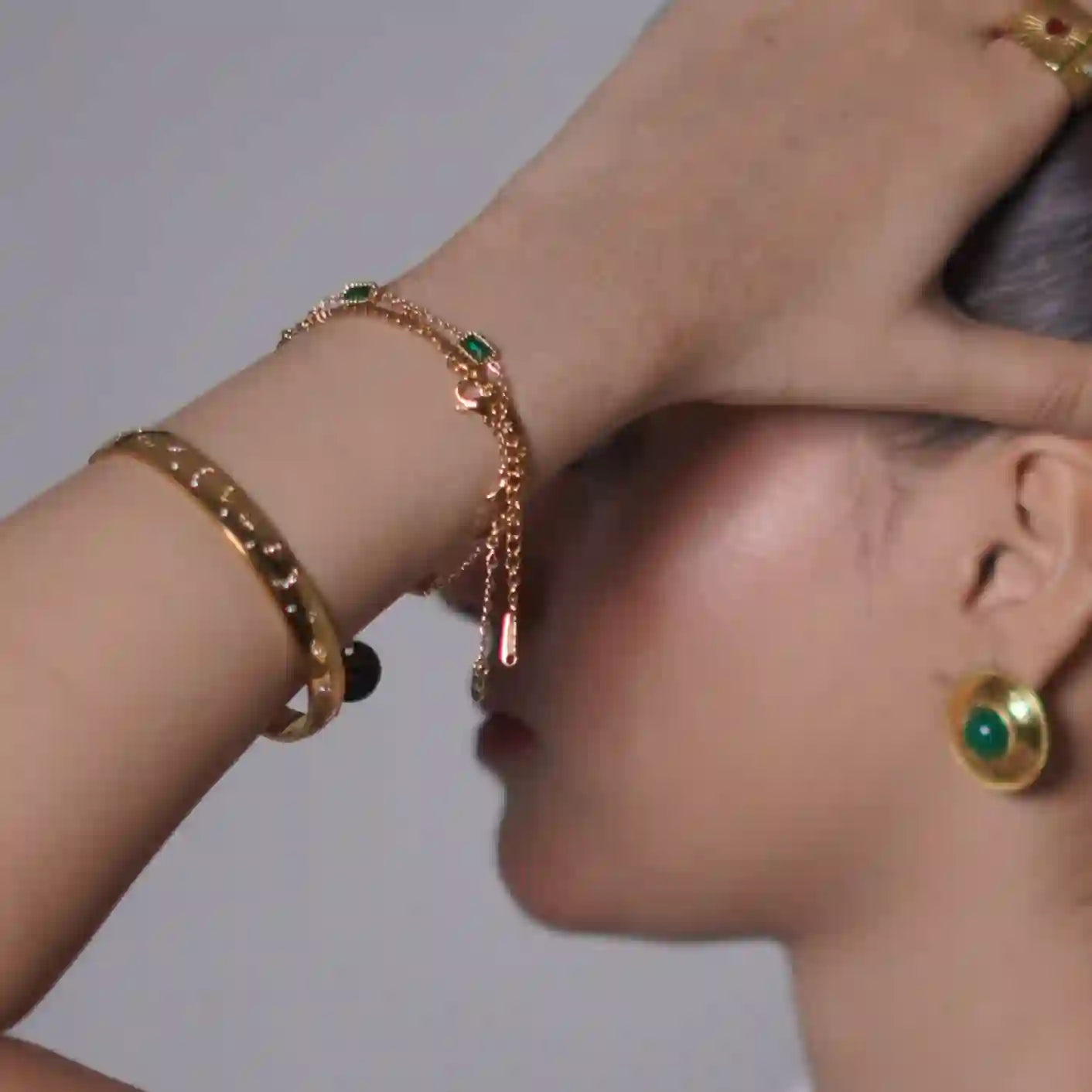
Classic, minimal pieces — plain chains, simple studs, slim bands — stay relevant longer than anything tied to a specific trend moment. A heavily trend-driven statement piece from a few years ago is a harder sell than a piece that never tried to be trendy in the first place.
Not essential, but a piece that still has its original pouch or box reads as better cared for to a buyer, even if it makes no functional difference to the piece itself.
Where reselling actually happens in Pakistan
Facebook Marketplace and dedicated buy-sell groups remain the most common route for fashion jewelry specifically, since the audience there is already shopping by photo and price rather than expecting verified gold content the way a jeweller's counter would. Instagram resale pages — increasingly common in Pakistan's secondhand fashion space — work well for anything with a recognisable design or brand name attached, since the audience there is browsing for style as much as price.
What doesn't work well: taking gold plated jewelry to a traditional gold buyer or jeweller expecting them to weigh and value it the way they would solid gold. They're not the right buyer for this category, and the offer reflects that.
Pricing it honestly
The realistic starting point is roughly a third to half of the original price for a piece in genuinely good condition, and considerably less for anything showing wear. This isn't a discouraging number — it reflects that the buyer is getting a used fashion item, not an investment asset, and pricing accordingly is what actually moves a listing rather than letting it sit unanswered for months.
A piece priced honestly and described accurately — including any minor wear — sells faster and with fewer awkward conversations than one priced as though it were new and described to match.
Before listing anything — clean it properly first
A piece with visible tarnish or surface dullness reads as worse condition than it actually is, simply because dirt and residue obscure what's underneath. A proper clean before photographing and listing — soft cloth, mild soap water if needed, completely dry before storage — is the single highest-return five minutes spent on the entire reselling process.
Frequently asked questions
-
Q1. Can gold plated jewelry be resold for real money in Pakistan?A: Yes, but as a used fashion item rather than for its metal content. Gold plated jewelry doesn't carry the underlying value solid gold does, so resale value comes from condition, completeness, and whether the design is still desirable — not weight or purity. A realistic price is roughly a third to half of the original price for a piece in good condition.
-
Q2. Where is the best place to resell jewelry in Pakistan?A: Facebook Marketplace and local buy-sell groups are the most common route for fashion jewelry specifically. Instagram resale pages work well for anything with a recognisable design. Traditional gold buyers and jewellers aren't the right route for gold plated pieces, since they value by metal content rather than design or condition.
-
Q3. Does it matter if I don't have the original box or pouch?A: Not significantly. It's a nice-to-have that makes a listing read as better cared for, but it doesn't meaningfully change resale value on its own. Surface condition and completeness of the actual piece matter far more.
-
Q4. What jewelry is hardest to resell?A: Pieces with visible surface wear — green marks, exposed base metal, scratched coating — and anything tied tightly to a specific trend moment that's since passed. Classic, minimal pieces in good condition are consistently easier to place than statement pieces from a particular season.
-
Q5. Should I clean jewelry before trying to resell it?A: Yes, always. Tarnish and surface residue make a piece look like worse condition than it actually is in photos. A proper clean before listing is the single most worthwhile step in the entire process, and it costs nothing but a few minutes. The cleaning guide covers the safe method in full.
Some pieces are worth selling. Some are worth keeping for the right reason.
Not every unworn piece needs to go. The difference between a piece worth reselling and one worth keeping isn't sentimentality versus practicality — it's whether the reason it's unworn is fixable. A piece that just doesn't suit current style is a genuine resale candidate. A piece that stopped getting worn because of comfort, fit, or material issues is worth understanding before assuming a buyer would want it either.
For pieces being kept rather than sold, choosing better materials the next time around is what actually breaks the cycle of buying, retiring, and reselling.
Shop pieces built to stay in rotation at mithraofficial.com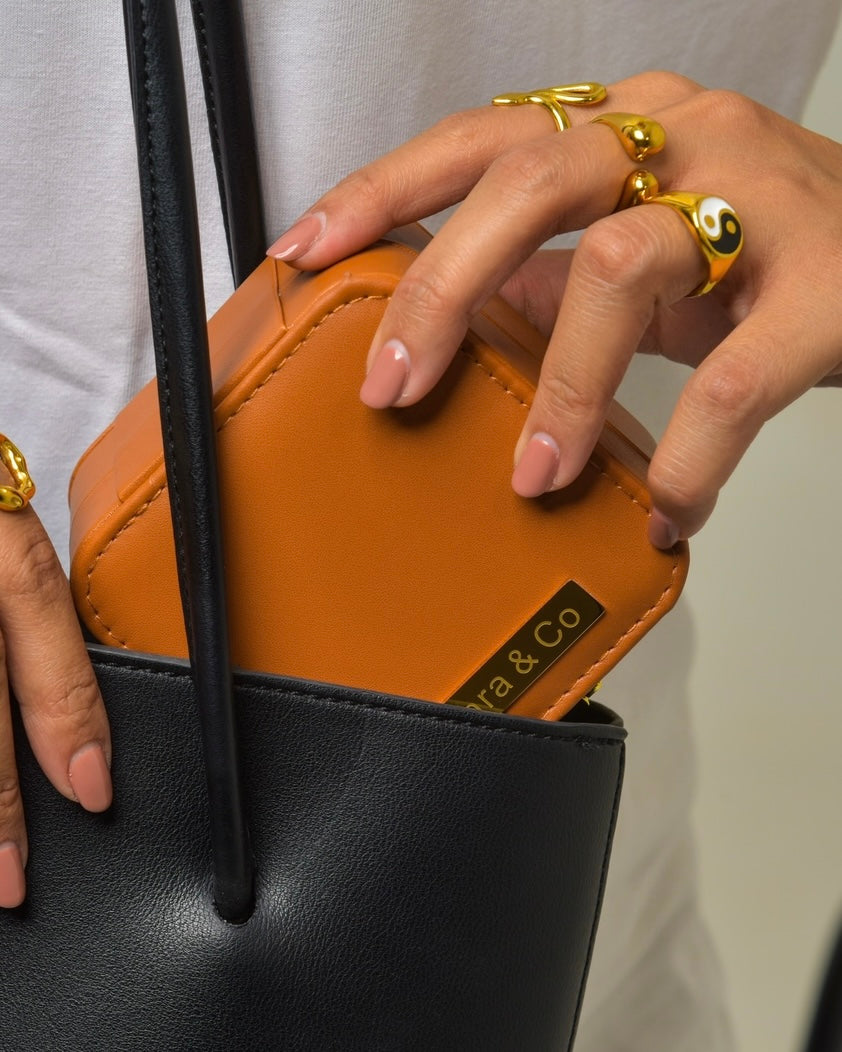

Leave a comment
This site is protected by hCaptcha and the hCaptcha Privacy Policy and Terms of Service apply.