

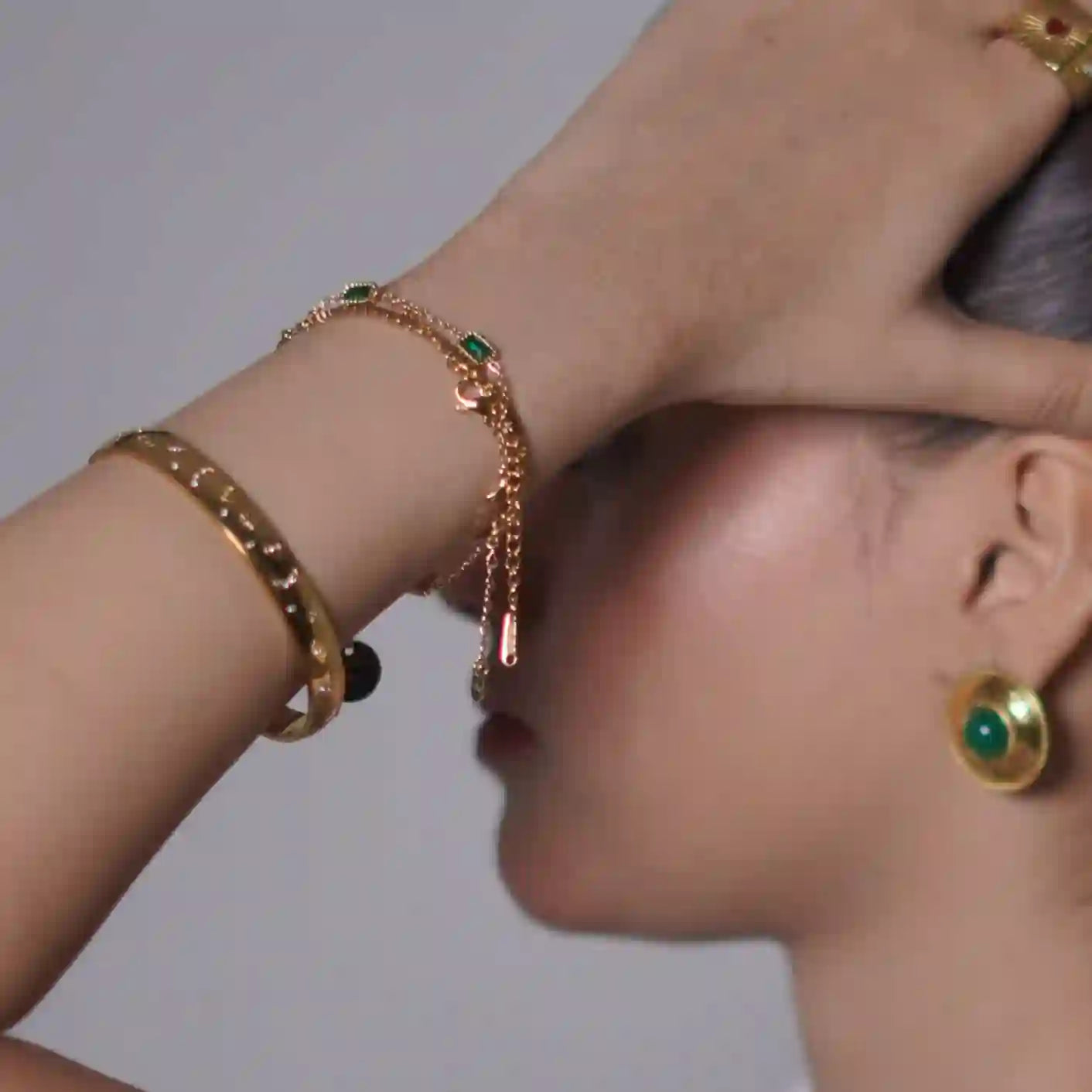
Ramadan dressing in Pakistan is a particular kind of problem. The occasions are real — iftar gatherings, tarawih prayers, family dinners, Eid preparation — but the backdrop is also fasting, longer wear hours, and wuzu several times a day. Most jewelry advice treats Ramadan like a festive month where you dress up more. The actual daily routine is more demanding than that.
What makes Ramadan different from ordinary daily wear
The average piece of jewelry worn through Ramadan is on the body for longer continuous hours than most other months. Sehri before dawn, a full day without eating or drinking, iftar, tarawih that runs late — the jewelry that goes on in the morning may not come off until well after midnight. Add wuzu at each prayer time and the piece is also encountering water repeatedly throughout that stretch rather than once during a morning wash.
None of this is unusual behaviour — it's just the honest reality of what daily Ramadan life in Pakistan actually involves, and it's worth knowing before deciding which pieces make it through the month and which ones don't.
The pieces that genuinely work through a full Ramadan routine
-
A loose-fitting ringOne ring worn on one hand, fitted loosely enough that water passes under it during wuzu without needing to be removed every time. A tight-fitting ring creates the repeated on-and-off that eventually becomes more hassle than the ring is worth across thirty days.
-
Small studs or huggiesUnder 3g per pair, sitting flush against the earlobe. Light enough for eighteen-plus hours of wear, and not large enough to catch on a prayer scarf or dupatta during tarawih. This is where heavy statement earrings genuinely aren't the right choice, regardless of how well they'd work for the occasion alone.
-
One plain chain at a modest lengthA 17 to 18 inch chain that sits close enough to stay inside or just visible at the neckline without needing adjustment during prayer. Nothing that swings, catches, or needs to be tucked away during sujood.
When heavier pieces make sense during Ramadan
Iftar gatherings and family dinners later in the evening are different from the rest of the day — the prayer routine is behind you for the moment, the occasion is social, and dressing up is part of it. This is the natural window for statement pieces, heavier earrings, or a more elaborate necklace that wouldn't be practical through the full day. The practical approach is two distinct sets rather than one compromise: modest, lightweight pieces for the day, and a deliberate occasion piece for the evening.
How Ramadan's conditions affect jewelry specifically
Stainless steel handles repeated water contact without reacting. A loose ring stays on comfortably; a tight one is worth removing for the month to avoid the repeated friction of on-and-off against the finger.
Pieces worn for eighteen-plus hours accumulate more skin contact, sweat, and product residue in one day than a normally-worn piece does in several. A nightly wipe-down matters more during Ramadan than in any other month.
When Ramadan falls in summer, the heat and sweat combination is as demanding as the shaadi season conditions — a stainless steel base with PVD coating handles this without the green marks or tarnishing that a brass base produces under the same prolonged exposure.
Large earrings, wide-set pendants, and anything with exposed prongs or decorative extensions are more likely to catch on fabric during prayer movements. Studs, huggies, and close-set pendants are the practical choice for the prayer portion of the day.
Frequently asked questions
-
Q1. Do I need to remove jewelry for wuzu during Ramadan?A: Only if a ring fits so tightly that water can't reach the skin underneath. A loose-fitting ring doesn't need to come off. Bracelets and necklaces don't generally interfere with wuzu washing areas. For the full breakdown by piece type, the wuzu and jewelry guide covers each category specifically.
-
Q2. What earrings work best for tarawih prayers?A: Small studs or huggies under 3g — light enough for long wear, and flat enough not to catch on a prayer scarf or dupatta during prayer movements. Large hoops, dangles, and anything with protruding elements are worth saving for iftar and evening occasions rather than wearing through tarawih.
-
Q3. Does Ramadan in summer heat make jewelry more likely to tarnish?A: Yes, if the base metal is brass or copper — prolonged heat and sweat exposure over long daily wear hours accelerates the same reaction that causes green marks and tarnishing during shaadi season. Stainless steel with PVD coating handles summer Ramadan conditions without this problem because the base metal doesn't react to sweat chemistry.
-
Q4. Is it appropriate to wear jewelry during Ramadan?A: Yes — wearing jewelry during Ramadan is a normal part of everyday dressing for Pakistani women, including during prayer. The practical consideration is choosing pieces suited to the day's routine rather than occasion-only pieces that aren't comfortable for the full daily wear cycle.
-
Q5. What's the difference between Ramadan jewelry and Eid jewelry?A: Ramadan calls for pieces that work through a long daily routine — wuzu, long wear hours, prayer movements, modest necklines. Eid is a single occasion where occasion dressing takes over. The pieces suited to Ramadan's everyday routine are a different set from the ones saved for Eid day itself.
Thirty days is long enough that the practical choice matters
A single occasion justifies tolerating a piece that's slightly uncomfortable or needs occasional adjustment. Thirty days of the same routine doesn't. The pieces that genuinely work through Ramadan are the ones you stop noticing — light, secure, compatible with wuzu and prayer, and built from a base metal that doesn't register the month's conditions as anything unusual.
Shop everyday pieces at mithraofficial.com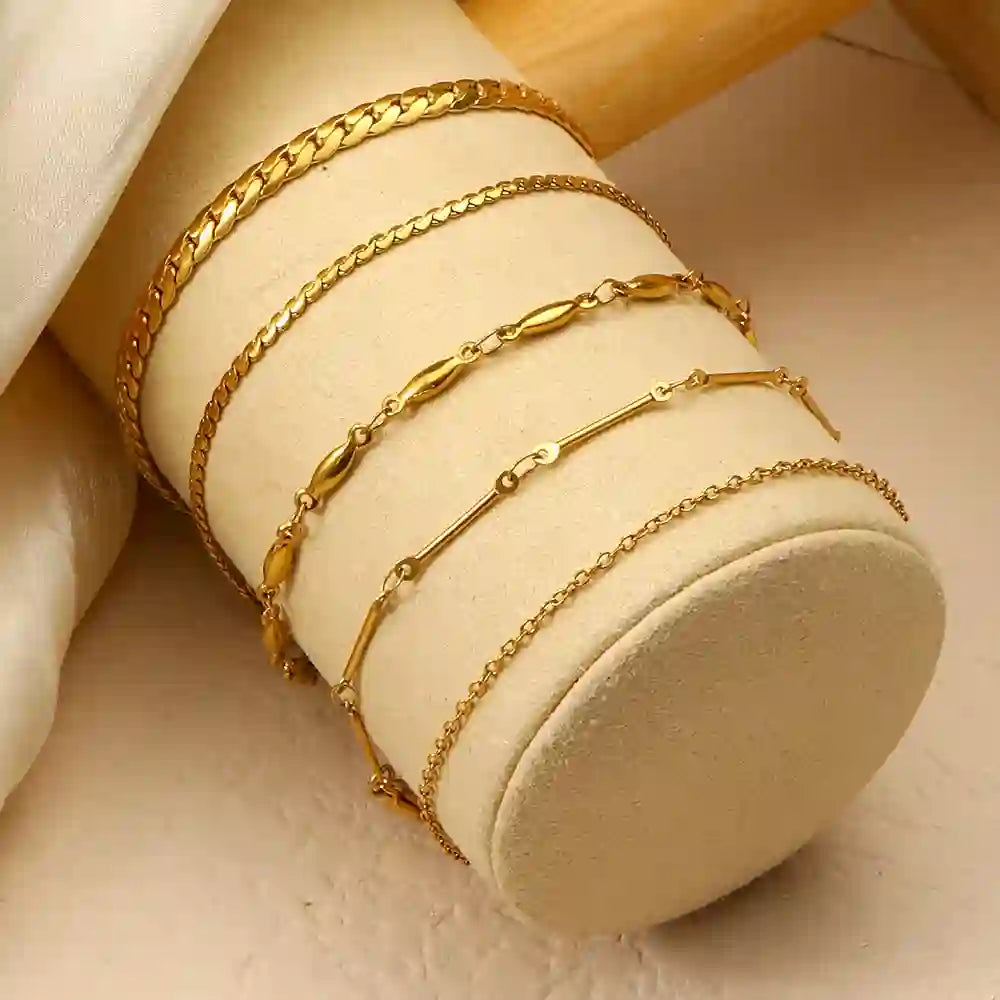
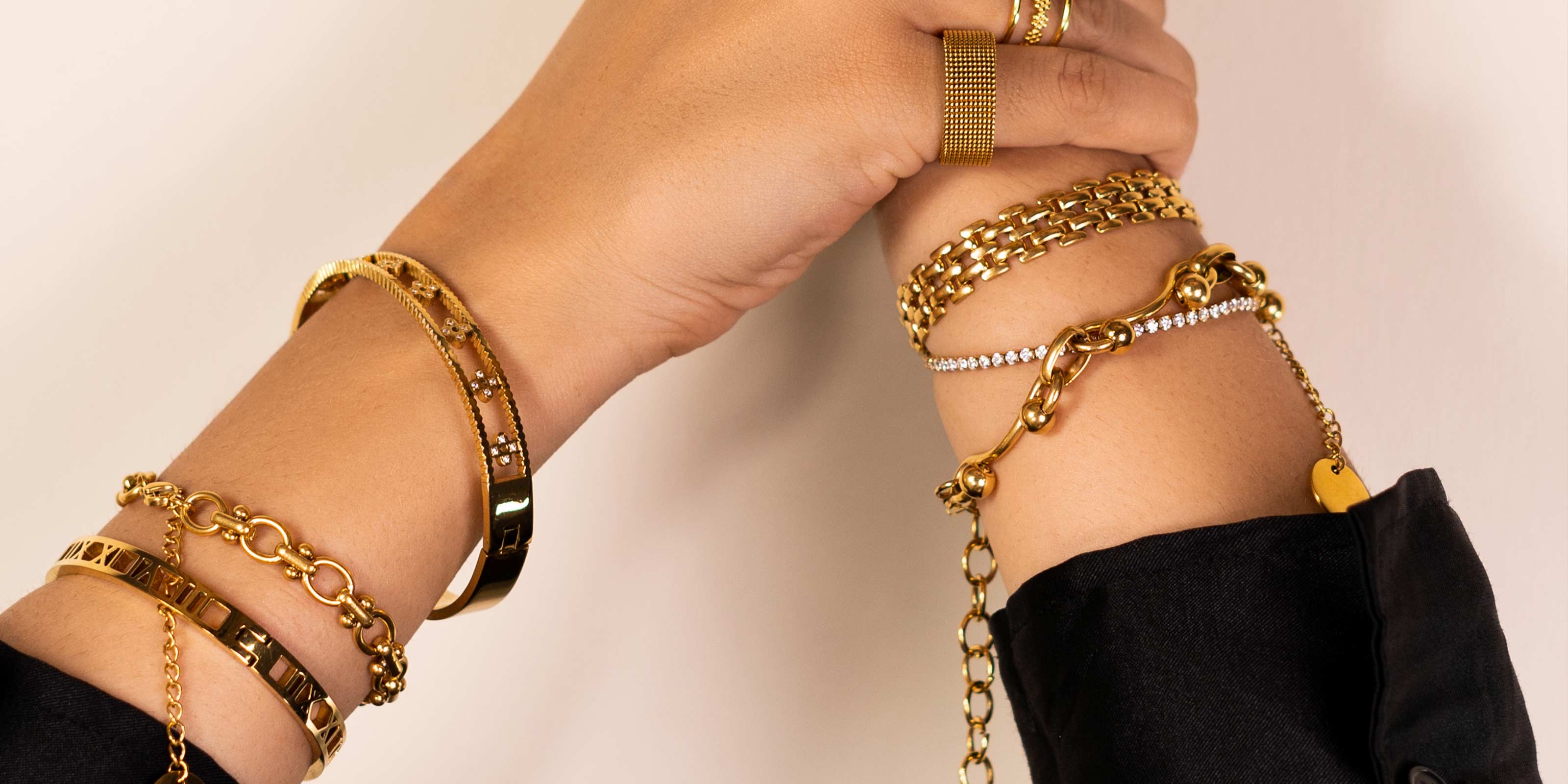

Leave a comment
This site is protected by hCaptcha and the hCaptcha Privacy Policy and Terms of Service apply.