

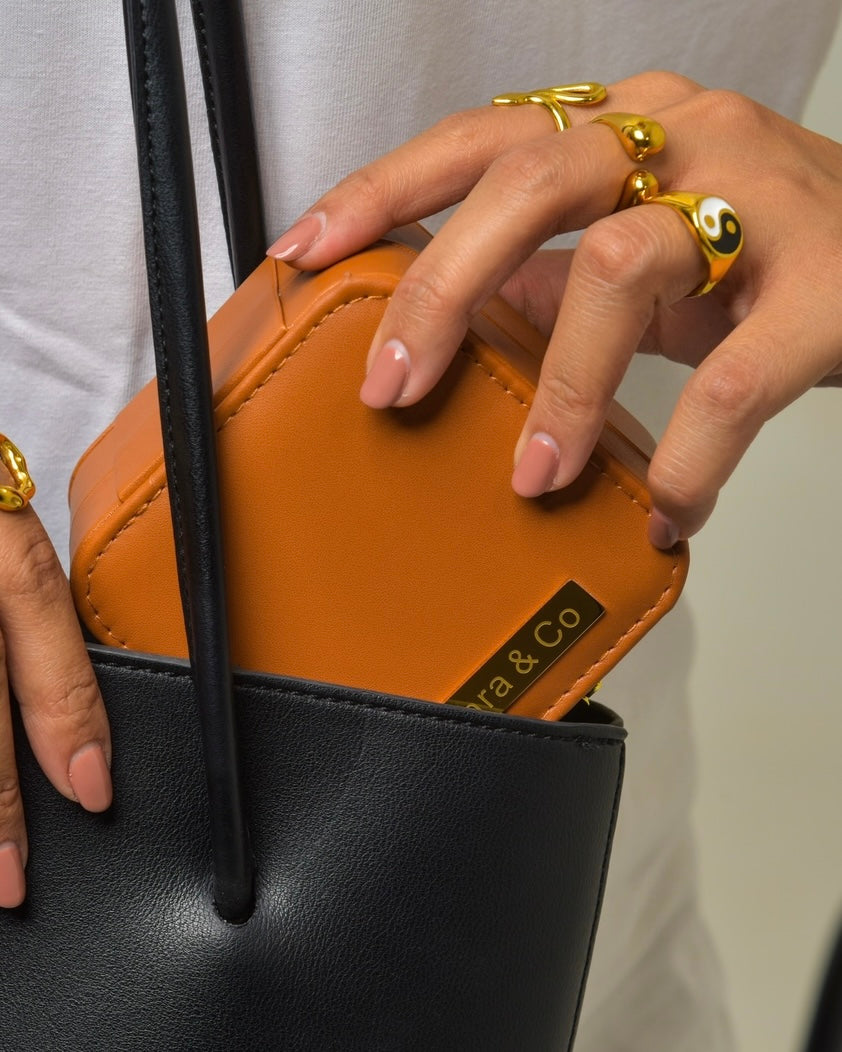
Somewhere between the airport, the hotel sink, and the bottom of a packed bag, the jewelry that survives daily life at home suddenly doesn't. Travel isn't harder on jewelry because of distance. It's harder because of compression — everything that normally happens slowly over months happens in a few days instead.
Why travel is a worse test than ordinary daily wear
At home, a piece gets worn, comes off at night, gets a few hours of rest, and goes back on the next day in roughly the same conditions. On a trip, the same piece might go from a humid morning to an air-conditioned flight to a different climate entirely, get tossed in a bag between locations, sit against sunscreen at the beach, and get rinsed under an unfamiliar hotel tap — all within 48 hours. None of that is unusual travel behaviour. It's just concentrated stress that would normally be spread across weeks.
What to actually pack
-
One versatile daily piece per categoryA single plain chain, one pair of studs or small hoops, one ring that goes with everything. Travel isn't the moment to bring options — it's the moment to bring the pieces that already proved themselves at home.
-
Stainless steel over anything reactiveClimate change, sweat from heat or activity, and unfamiliar tap water chemistry all hit a reactive base metal harder than usual. A stainless steel base with PVD coating handles this kind of inconsistent exposure without the surprises a brass piece can produce mid-trip.
-
Skip anything with a fragile clasp or settingA piece that needs careful handling at home becomes genuinely risky in a bag that gets shuffled, dropped, and repacked repeatedly. Save delicate clasps and prong-set stones for pieces that stay home.
How to actually pack it so nothing tangles or scratches
Individual pouches beat a single jewelry bag every time. Necklaces tangle with bracelets, earring backs get lost in seams, and metal-on-metal contact inside a shared pouch causes the same scratching that loose storage at home does — except now it's happening inside luggage that's also being thrown around. A small pill organiser or a divided travel case works as well as anything purpose-made, as long as each piece gets its own compartment.
Necklaces specifically benefit from being threaded through a straw before clasping, or laid flat and rolled rather than coiled loosely — a chain bunched in a bag corner is the single most common cause of a tangled mess that takes ten minutes to undo at the other end.
What to remove before specific travel moments
Jewelry doesn't usually need to come off, but anything large enough to set off a metal detector slows the process down — worth knowing if you're trying to move through quickly.
Swelling from cabin pressure and long periods of sitting can make rings feel tighter than usual. A ring that's already snug is worth removing before takeoff rather than after discomfort sets in.
Letting the product absorb fully before putting jewelry on prevents the same chemical contact that causes coating wear at home, just compressed into a single intense exposure rather than spread across normal use.
Both more aggressive on plated surfaces than ordinary sweat, and sand works as a mild abrasive inside a bag or pocket. The rule for beach or pool days: anything going in the water comes off first, rinsed in fresh water afterward, and dried completely before it goes back in its pouch.
Frequently asked questions
-
Q1. What jewelry should I bring on a trip?A: One versatile piece per category rather than several options — a single chain, one pair of studs or small hoops, one everyday ring. Stainless steel with PVD coating handles the inconsistent exposure of travel — climate changes, sweat, unfamiliar water — better than reactive base metals do.
-
Q2. How do I pack jewelry so it doesn't tangle or scratch in my bag?A: Individual pouches or a divided case, not one shared bag. Metal-on-metal contact inside a single pouch causes scratching, and chains tangle with everything else around them. Threading a necklace through a straw before clasping or rolling it flat rather than coiling it loosely prevents most tangling.
-
Q3. Does cabin pressure on a flight affect how rings fit?A: Yes — mild swelling from sitting for long periods and cabin pressure changes can make an already snug ring feel noticeably tighter mid-flight. Removing a tight-fitting ring before takeoff is more comfortable than dealing with it once swelling has already started.
-
Q4. Is it okay to wear jewelry in the pool or sea while travelling?A: Better to remove it first. Saltwater and chlorinated pool water are more aggressive on plated surfaces than normal daily sweat, and sand acts as a mild abrasive if it gets into a packed bag with jewelry still in it. Rinsing in fresh water and drying completely afterward limits the damage if a piece does get wet.
-
Q5. Why does jewelry seem to wear out faster on a trip than at home?A: Because travel compresses stress that's normally spread across weeks into a few days — climate shifts, unfamiliar water, sunscreen, sand, and constant repacking all at once. The same piece handling that load over five days is doing what would otherwise happen gradually over months. The weight and comfort guide covers the same logic of cumulative wear in more everyday conditions.
Pack less, pack the pieces that already work
Travel doesn't call for a different jewelry strategy — it calls for the same one, applied more strictly. The pieces that already handle daily wear without complaint are exactly the ones built to handle a few compressed days of unfamiliar conditions too.
One chain, one pair of studs, one ring, all in stainless steel, each in its own pouch. That's a complete travel jewelry kit for almost any trip.
Shop everyday essentials at mithraofficial.com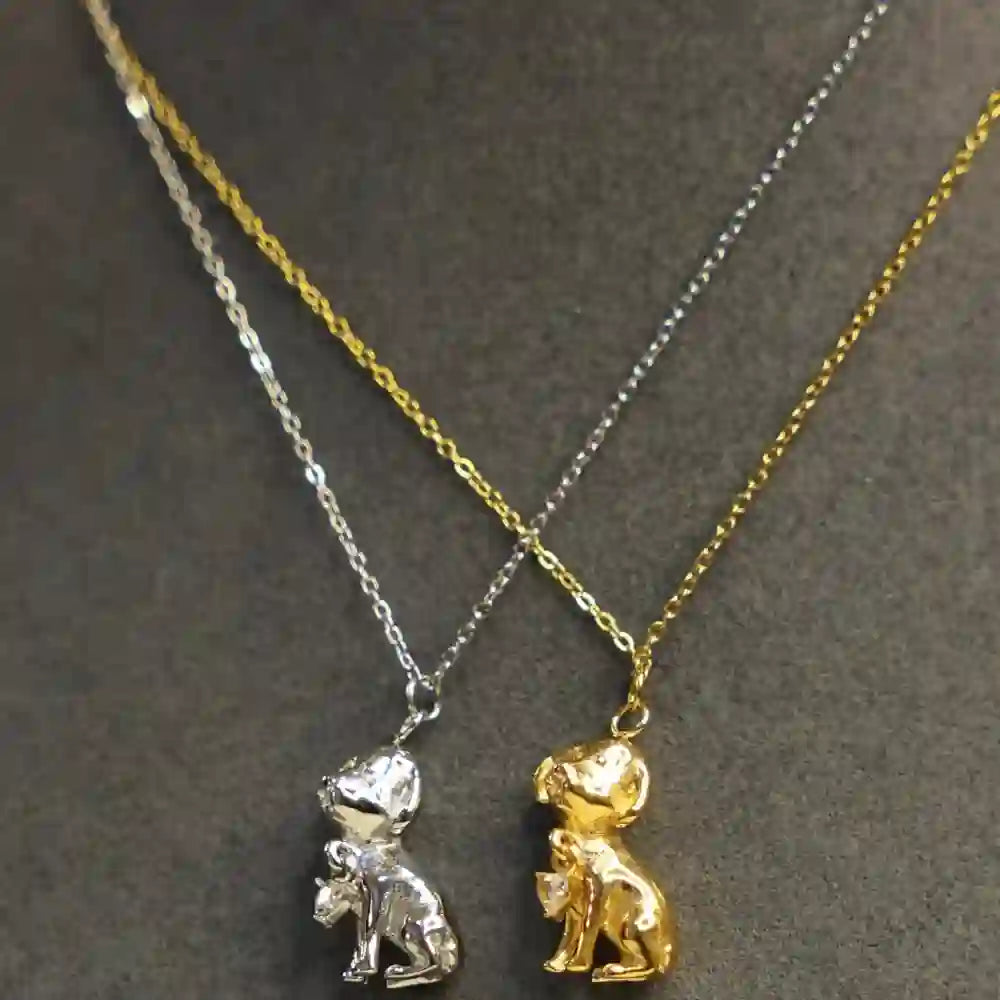
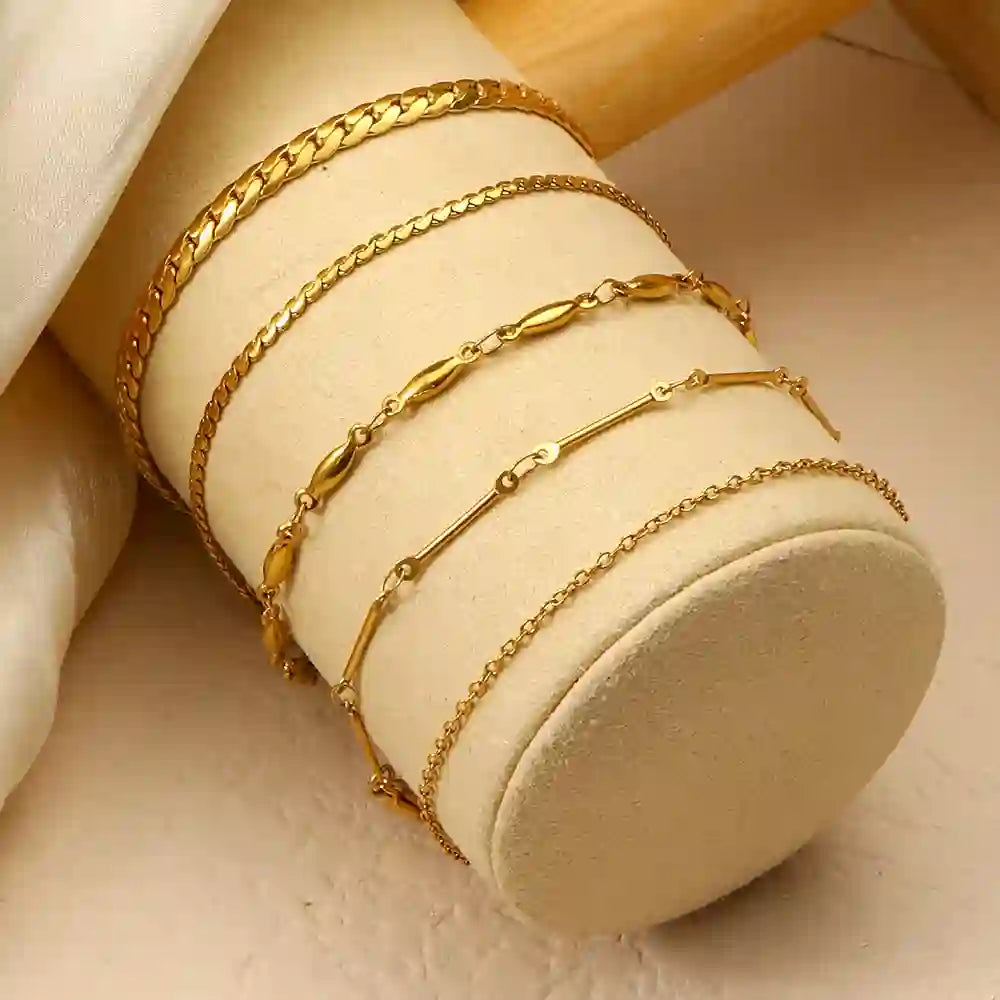

Leave a comment
This site is protected by hCaptcha and the hCaptcha Privacy Policy and Terms of Service apply.