

The actual requirement is water reaching the skin, not removing everything
This comes up constantly and gets answered inconsistently, mostly because the question gets treated as a jewelry question when it's really a water-contact question. For wuzu, water needs to reach the skin underneath whatever you're wearing. A piece that lets water pass freely against the skin doesn't need to come off. A piece that traps water out, or traps water in a way that stops it reaching the skin properly, does.
This is a practical guide to what that actually means piece by piece, not a religious ruling — for anything beyond the practical material question, that's a matter for personal practice and scholarly guidance, not a jewelry brand's blog post.
Rings — the most commonly asked, and the most straightforward
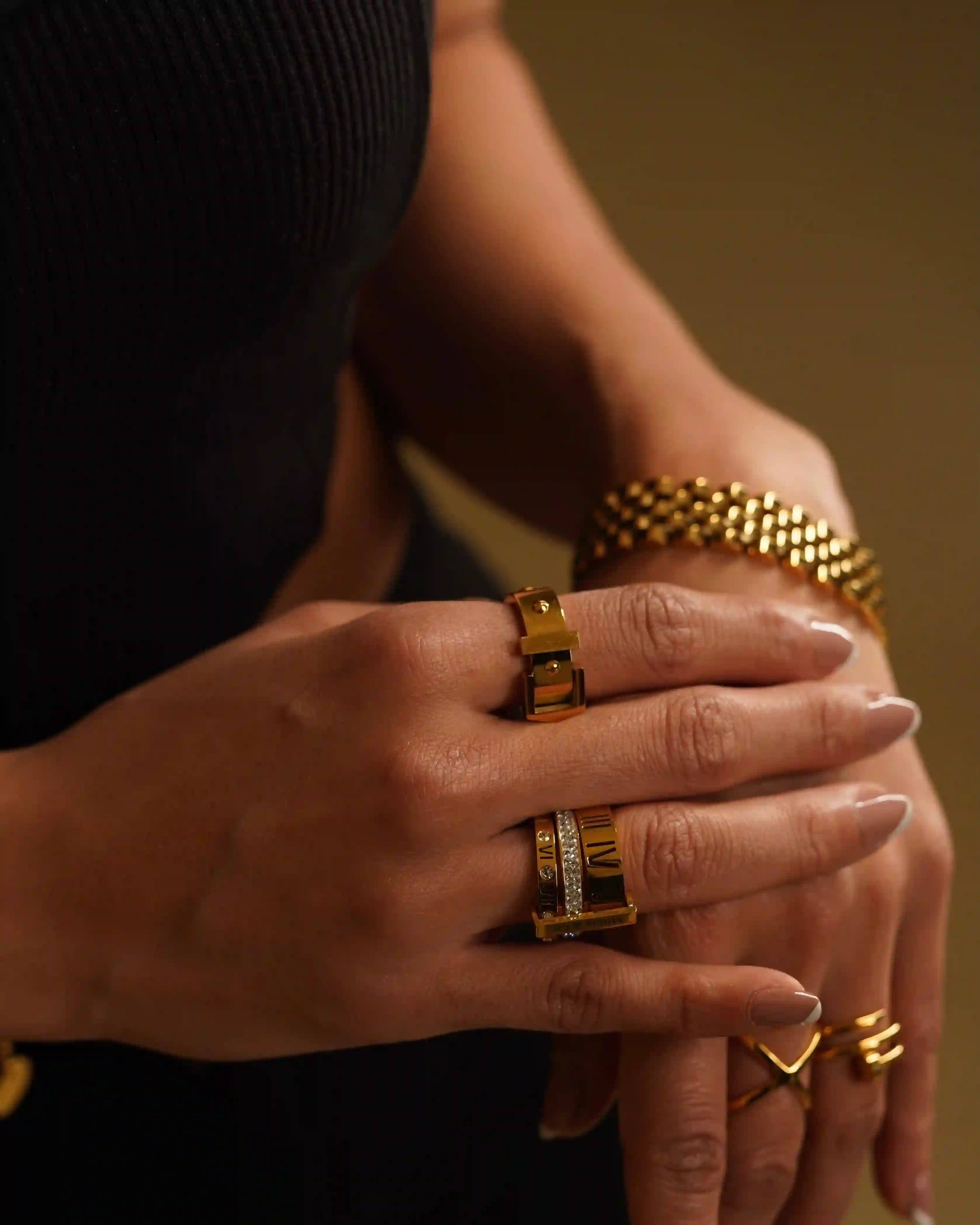
A loose-fitting ring lets water pass underneath it without any issue, which covers the majority of daily-wear rings. A very tight-fitting ring — one that sits flush against the finger with no gap at all — is the case where water might not reliably reach the skin underneath, and removing it during wuzu becomes the more careful approach.
The material itself doesn't change this. Stainless steel doesn't react to water exposure during wuzu any differently than it does with normal handwashing throughout the day — the relevant question is always fit, not what the ring is made of.
Bracelets and bangles — fit matters more than style
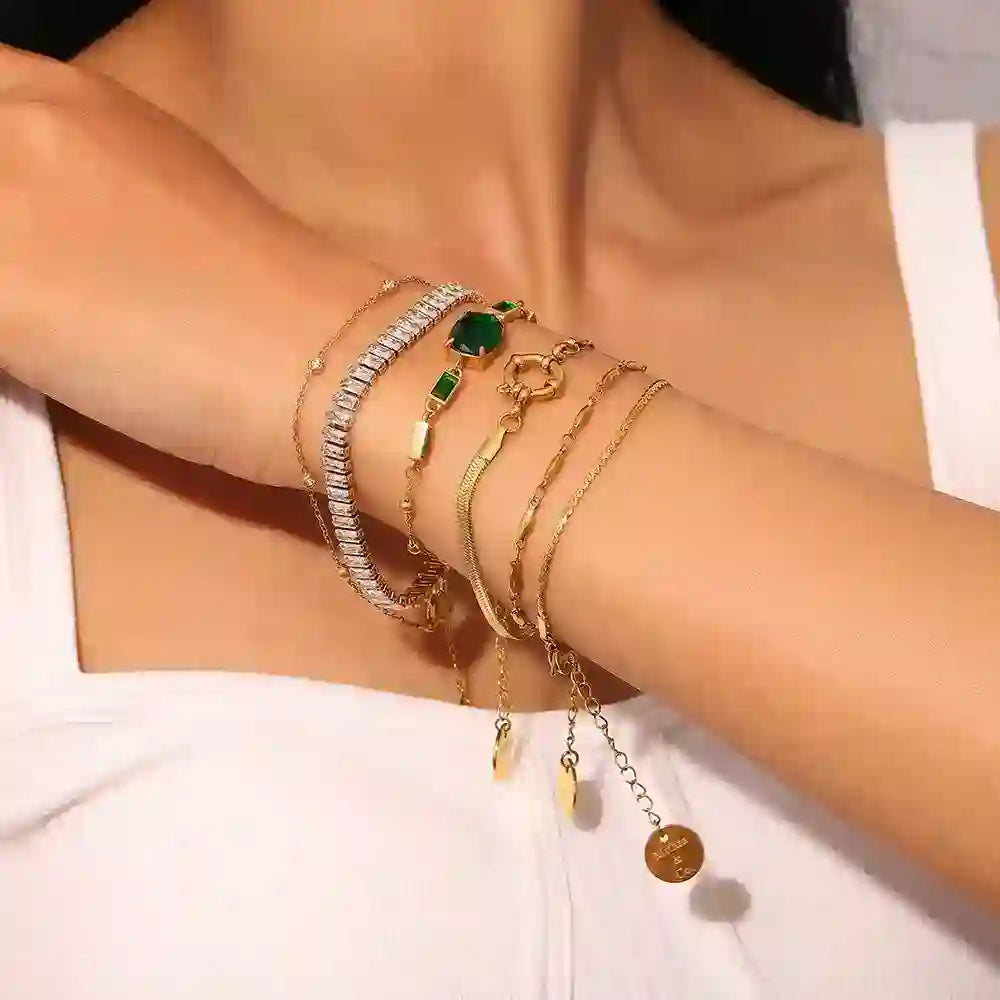
A chain bracelet or a loose bangle moves freely on the wrist and allows water underneath without difficulty. A snug cuff or a bangle that sits tightly against the wrist is closer to the tight-ring scenario — worth removing or at minimum running water deliberately along the inner edge to make sure it's actually reaching the skin rather than just running over the outer surface.
Earrings — generally not a consideration at all
Earrings sit through the earlobe rather than against a surface water needs to pass under, so they're rarely a practical concern during wuzu in the way rings and bracelets can be. The one exception is a very large or heavy decorative piece that might make thorough washing around the ear physically awkward — in that case it's a comfort and practicality decision rather than a water-contact one.
Necklaces — almost never relevant
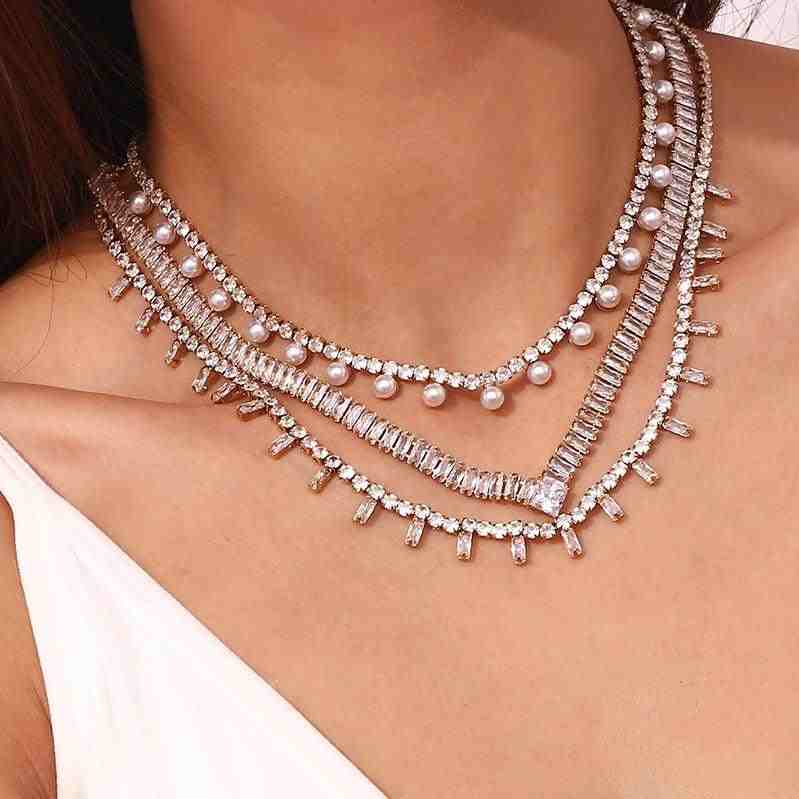
Necklaces sit on the neck and chest, areas that aren't part of the wuzu washing sequence, so they essentially never come up as a consideration here. The only scenario worth a thought is a long pendant resting low enough to interfere physically with washing the face or arms, which is rare and again a practicality matter rather than a water-contact one.
Does removing and replacing jewelry several times a day damage it?
For anyone praying five times daily, the practical question often isn't whether to remove a ring during wuzu — it's whether the repeated on-and-off through the day wears it out faster. A stainless steel base with 18K PVD coating handles this kind of frequent removal well, since the coating's resistance comes from how it's bonded rather than being fragile to handling. A loose-fit or adjustable ring also makes repeated removal genuinely easier than a tight-fitting one, which is a small but real comfort factor across a full day of prayer.
Frequently asked questions
Q1. Do I need to remove my ring for wuzu?
A: Only if it fits tightly enough that water might not reach the skin underneath. A loose or normal-fitting ring lets water pass freely and doesn't need to come off. If a ring sits flush against the finger with no gap, removing it or making sure water is deliberately worked underneath is the more careful approach.
Q2. Can I keep my bracelet on during wuzu?
A: In most cases, yes — a chain bracelet or loose bangle moves on the wrist and allows water underneath without issue. A snug cuff or tightly fitted bangle is the case where it's worth either removing it or making sure water is reaching the inner edge directly rather than just running over the surface.
Q3. Do earrings need to be removed for wuzu?
A: Generally no. Earrings sit through the earlobe rather than blocking water from a surface that needs washing, so they're rarely a practical concern. The only exception is a very large or heavy piece that makes thorough washing around the ear physically awkward.
Q4. Does taking jewelry on and off for prayer five times a day damage it?
A: Not meaningfully, for a stainless steel base with 18K PVD coating — the coating's durability comes from how it's bonded rather than being sensitive to handling. A loose-fit or adjustable piece does make the repeated removal physically easier across a full day, which matters more for comfort than for the jewelry's condition.
Q5. Is stainless steel jewelry affected by frequent water contact from wuzu?
A: No — stainless steel doesn't react to water exposure during wuzu any differently than it reacts to ordinary daily handwashing. For the broader picture of how water exposure affects gold plated jewelry generally, including gym and daily wear conditions, the water and daily wear guide covers the full picture beyond wuzu specifically.

Leave a comment
This site is protected by hCaptcha and the hCaptcha Privacy Policy and Terms of Service apply.