

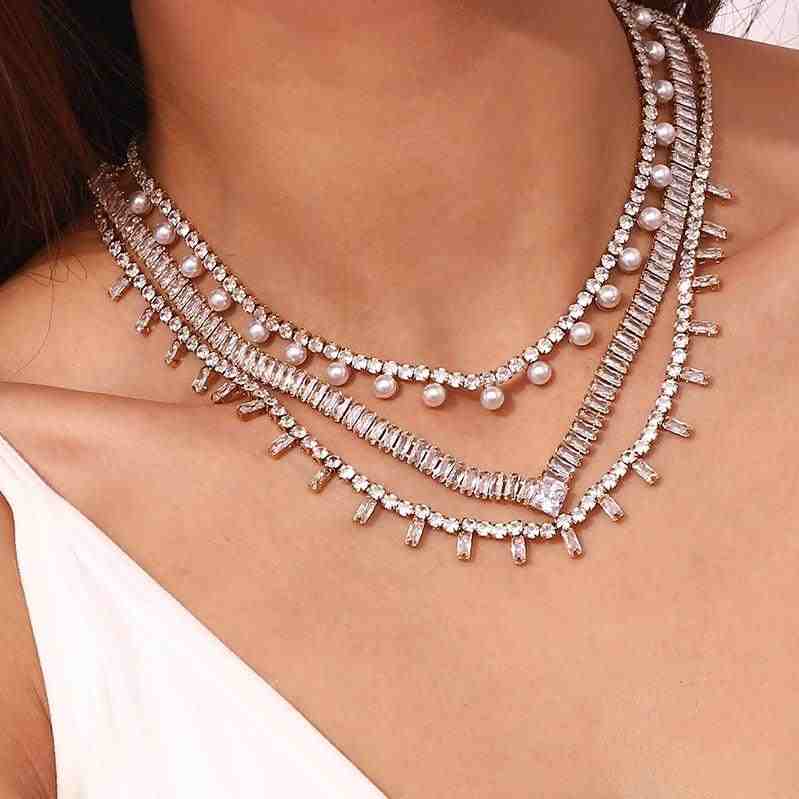
Almost nobody checks gram weight before buying, and it shows by 3pm
The photo looks right, the price is right, the order goes through. The weight problem doesn't show up at checkout — it shows up six hours later, when the earrings have been pulling on your earlobes since 9am and the necklace has started feeling less like jewelry and more like a chain you forgot you put on.
A piece worn once a month at an event can afford to be heavy — the occasion justifies the discomfort for a few hours. A piece meant for daily wear has to clear a much lower threshold: light enough that you stop noticing it within twenty minutes. Everything below — metal density, hollow versus solid construction, stone weight — is really about hitting that threshold without giving up the look.
Why two visually identical pieces can weigh completely differently
Metal density decides weight for any given size, and the difference between common base metals is bigger than most people expect. Stainless steel sits at roughly 7.9 g/cm³. Brass is slightly heavier at 8.5. Solid 18K gold is dramatically heavier at 15.5 — which is the counter-intuitive part: a solid gold bangle is genuinely heavier than the same bangle made in 18K gold plated stainless steel, simply because gold itself is one of the densest metals used in jewelry. For daily wear, stainless steel sits closer to the practical sweet spot of weight, durability, and feel than solid gold does.
What the numbers actually mean, by piece type
Gram weight alone is meaningless without context — a 5g earring is genuinely heavy, while a 5g bracelet is barely noticeable. Earrings carry the most weight-sensitivity of any category, since the full weight rests on delicate earlobe tissue rather than being distributed the way a necklace or bracelet's weight is.
| Earring weight | What to expect |
|---|---|
| Under 3g | Studs, small hoops, huggies — close to unnoticeable for a full day |
| 3–6g | Medium hoops, small drops — comfortable for 8 to 10 hours |
| 6–12g | Larger drops, medium dangles — noticeable pull after several hours |
| 12g and above | Statement jhumkas, chandeliers — comfortable for hours, not a full day |
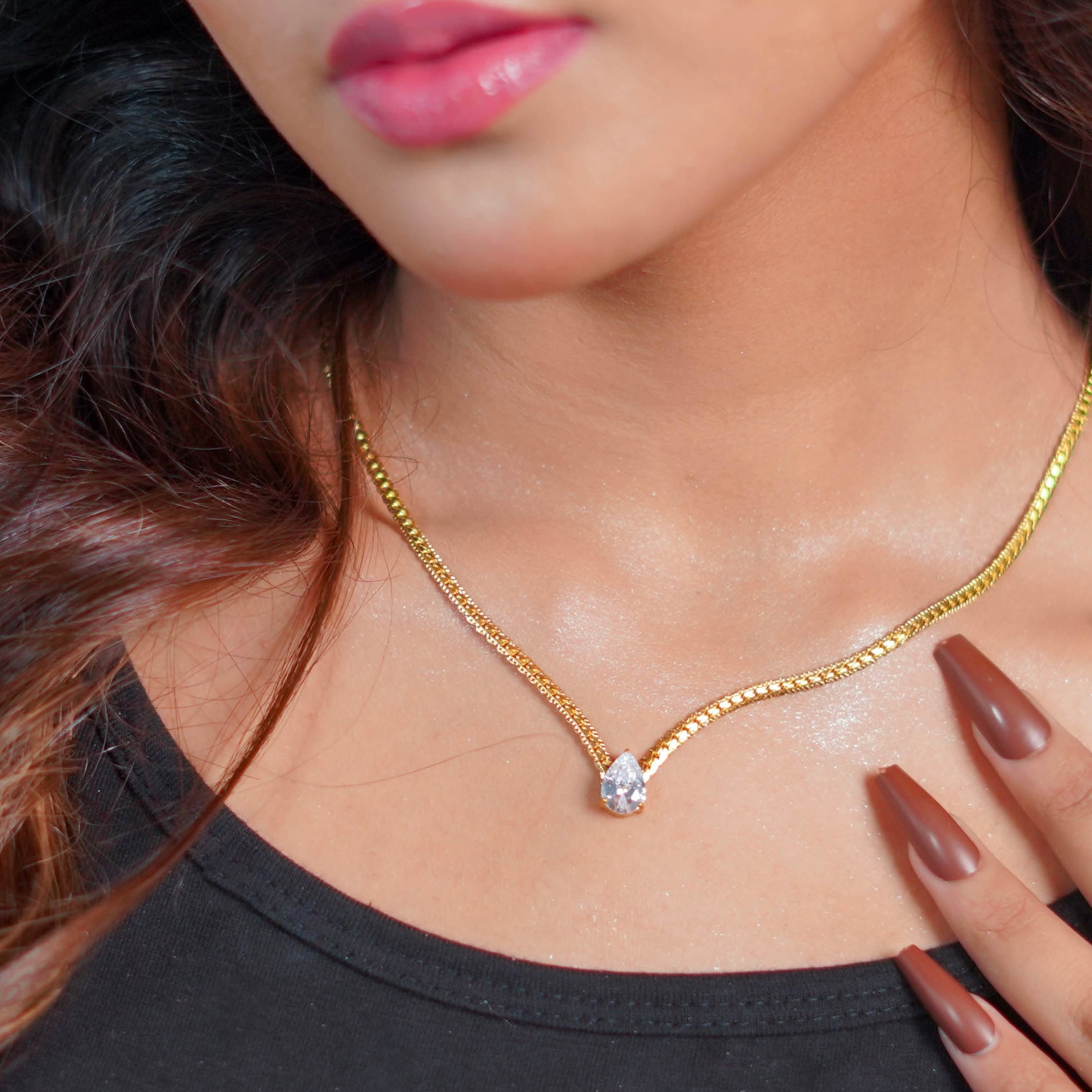
Necklaces distribute weight across the back of the neck via the chain, which makes them more forgiving than earrings, but a heavy pendant on a thin chain still creates a concentrated pressure point at exactly the spot it rests. Under roughly 8g is true daily wear territory — delicate chains and thin pendants you stop noticing within minutes. Between 8 and 18g covers most standard chain necklaces and medium pendants, comfortable through most of a normal day. Above that, weight becomes noticeable by afternoon and the piece moves toward part-day or evening wear rather than genuine daily rotation.
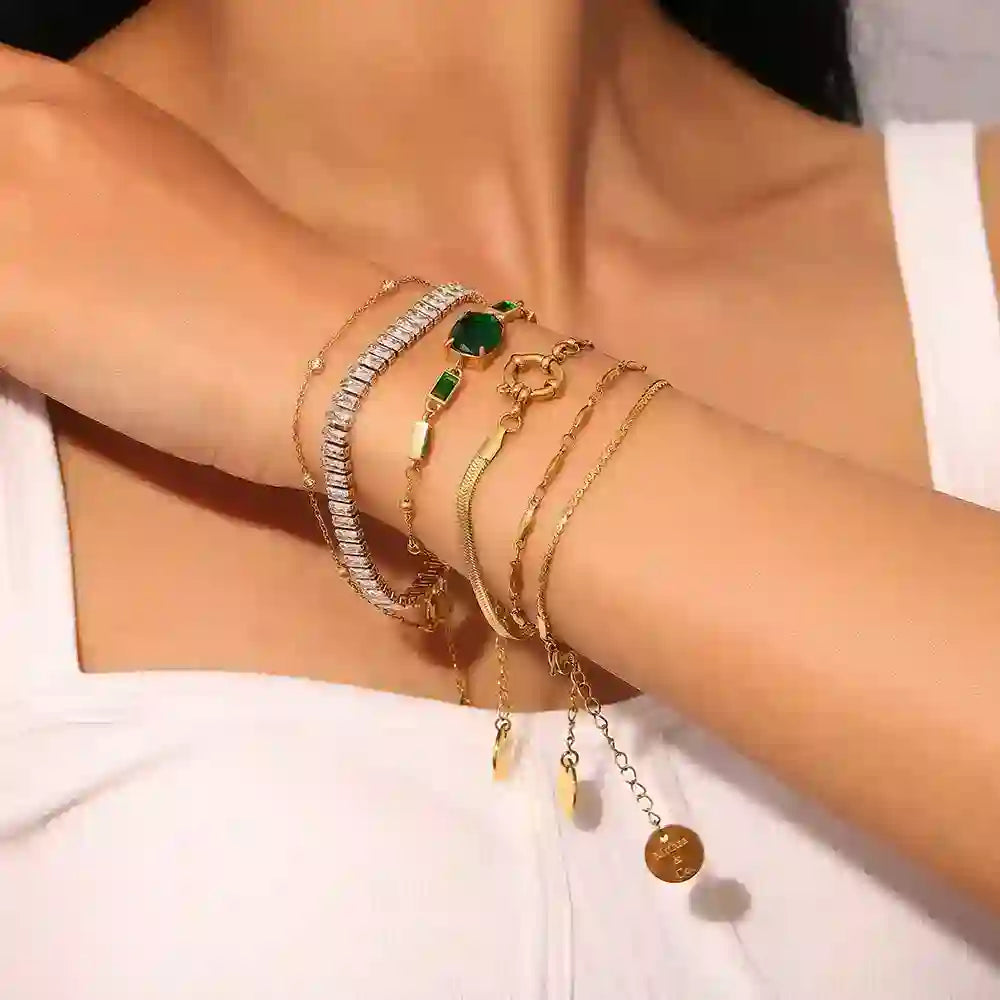
Bracelets are the most forgiving category, since wrist tissue tolerates weight far better than earlobe tissue does, and a bracelet that feels heavy at first usually settles into feeling normal within half an hour. Under 10g is close to unnoticeable for desk work and typing. Between 10 and 25g is the realistic everyday sweet spot for chain bracelets and medium bangles. Above 25g starts affecting comfort during physical tasks and typing-heavy work, even if it's fine for shorter wear.
Construction changes weight as much as metal does
Two pieces in identical metal can differ by 30 to 50 percent in weight purely based on how they're built, which is one of the least obvious variables in jewelry buying. Most mid-range gold plated earrings and pendants are hollow rather than solid — a thin metal shell instead of a solid block. This isn't a quality shortcut; it's a deliberate weight-reduction choice that keeps a visually large piece genuinely light. A dome earring that looks 15mm across might weigh 1.5g hollow versus 4 to 5g solid, for the exact same visual size.
The trade-off is that a hollow shell can dent under direct pressure in a way a solid piece won't — a reasonable compromise for daily wear comfort, worth knowing about rather than treating as a flaw.
Open-link chains — where light passes visibly through each link — carry noticeably less metal than a solid or closely-linked chain of the same apparent width. A snake chain looks continuous and substantial but is actually quite light; a solid rope or box chain of similar visual thickness contains more metal and weighs more. When two chains look similar online, open-link construction is the lighter option.
Why heavy earrings matter beyond comfort
This is the one category where weight becomes a long-term physical consideration rather than just a comfort preference. Repeated wear of earrings consistently over 8 to 10g gradually stretches the piercing downward over months and years of cumulative pull — slow enough that it's rarely noticed in the moment, but it doesn't reverse on its own once it's happened.
The practical fix isn't avoiding heavier earrings entirely — it's keeping a lightweight pair under 3 to 5g as the genuine daily default, and reserving anything heavier for events and shorter wear windows rather than treating it as an everyday choice.
Pakistan's heat adds a variable that doesn't show up in generic advice
Skin swells slightly in heat — wrists, fingers, and earlobes are all mildly larger in summer than in cooler, air-conditioned conditions. A ring or bracelet that fits comfortably in December can feel noticeably tighter and heavier-feeling by July, even though the piece itself hasn't changed. Sizing slightly looser for anything bought as a summer daily-wear piece in Pakistan is a small, practical adjustment worth making.
Sweat also changes how weight is perceived. A necklace that sits comfortably against dry skin in winter becomes something you're constantly aware of once the neck is damp — the chain moves differently and the sensation of its weight is amplified by moisture against skin. For summer daily wear specifically, staying under roughly 12g total for a necklace tends to feel noticeably more comfortable than the same weight would in cooler, drier conditions.
What to check when a listing doesn't state gram weight
Most Pakistani jewelry listings don't list weight, which leaves a real transparency gap. Messaging the seller directly and asking for gram weight takes a minute and tells you something useful either way — a seller who knows their product answers quickly and specifically, and one who can't is a seller who hasn't actually handled what they're selling.
Photos of the piece being worn, rather than only flat-lay shots, give a useful scale reference. Reviews that mention comfort directly — "too heavy," "comfortable all day," "had to take it off by evening" — are some of the most reliable weight signals available when gram weight isn't listed at all.
Frequently asked questions
Q1. Is it bad to wear heavy earrings every day in Pakistan?
A: Long-term daily wear of earrings consistently over 8 to 10g causes gradual earlobe stretching — a slow process that builds up over months and years rather than being noticeable in the short term. Keeping a lightweight pair under 5g as the genuine daily default and saving heavier pieces for events rather than everyday rotation protects against this.
Q2. Why do my gold plated earrings feel heavier than they look?
A: Usually because the base is solid brass rather than hollow stainless steel construction. Brass is denser than stainless steel, and solid construction adds significantly more metal than a hollow shell. Comparing against a hollow stainless steel piece of similar visual size makes the difference immediately obvious.
Q3. How do I know if a necklace will feel heavy without trying it on?
A: Chain width and pendant size are the two most useful proxies. A chain under 2mm wide is almost always light enough for daily wear. A pendant under 20mm across rarely creates noticeable concentrated weight. Once a chain goes above 3mm or a pendant above 30mm, it's worth checking the actual gram weight before buying rather than assuming from the photo.
Q4. Can a heavy ring actually affect typing or daily tasks?
A: Yes — wide bands and heavily set rings above roughly 10g can be felt during keyboard use and extended gripping. Under 5g is generally unnoticeable through a normal desk day. For a ring worn on the dominant hand during long computer work, staying under 6g makes a real practical difference.
Q5. Does Pakistan's summer heat actually change how jewelry feels?
A: Yes, in two separate ways. Skin swells slightly in heat, so rings and bracelets that fit comfortably in cooler months can feel tighter in summer without the piece itself changing. Sweat also increases awareness of a necklace's weight against the skin compared to how the same weight feels when skin is dry. For the full breakdown of how heat and sweat affect jewelry generally rather than just comfort, the Pakistani summer jewelry guide covers the rest of what changes.

Leave a comment
This site is protected by hCaptcha and the hCaptcha Privacy Policy and Terms of Service apply.