

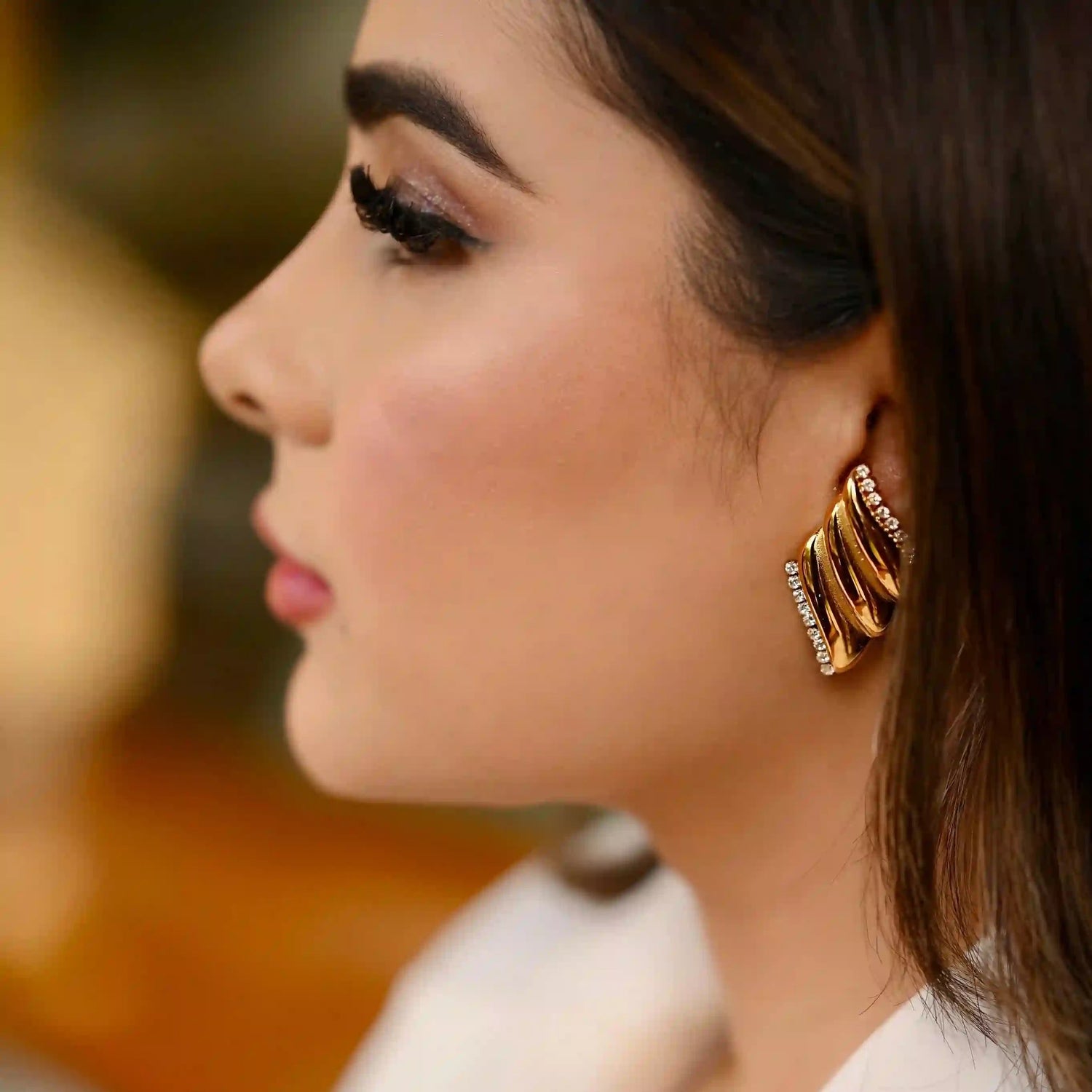
You reach the hospital early in the morning. By the time clinical work begins, rings and wrist jewelry are often removed or adjusted according to workplace requirements. Chains are usually tucked inside scrubs to avoid contact with equipment. During long shifts, managing small accessories can become inconvenient, which creates a practical need for jewelry suited to healthcare environments.
Why healthcare work changes how jewelry is worn
Healthcare settings require attention to hygiene, safety, and ease of movement. In many hospitals in Pakistan, jewelry use is limited in patient-facing areas based on infection control practices and internal guidelines.
-
1Infection control considerations. Many hospitals follow bare-below-the-elbows practices in clinical areas. This generally limits wrist jewelry and encourages minimal hand accessories to support hygiene routines.
-
2Frequent hand hygiene. Regular use of hand sanitiser and washing routines can influence the appearance of plated jewelry over time depending on exposure levels and material type.
-
3Religious routines such as wuzu. Some healthcare workers perform multiple washing routines during shifts. Jewelry handling preferences may vary based on personal practice and ease of use.
-
4Glove use in clinical work. Gloves are commonly used in patient care. Smooth, low-profile designs are generally easier to manage under gloves compared to raised or bulky styles.
-
5Equipment and PPE interaction. Necklaces or bracelets may come into contact with stethoscopes, lanyards, or protective equipment depending on their length and positioning.
-
6Long shift duration. Extended working hours can make heavier or complex jewelry less comfortable compared to simple and lightweight designs.
The jewelry that fits clinical routines
The goal is not to avoid jewelry completely, but to select pieces that can work across clinical and non-clinical settings during the same day.
Small stud earrings are generally practical for long shifts due to their low profile and reduced interference with PPE and movement.
A simple 16–17 inch chain is often worn inside scrubs to reduce contact with equipment. Short, plain designs are easier to manage in clinical environments.
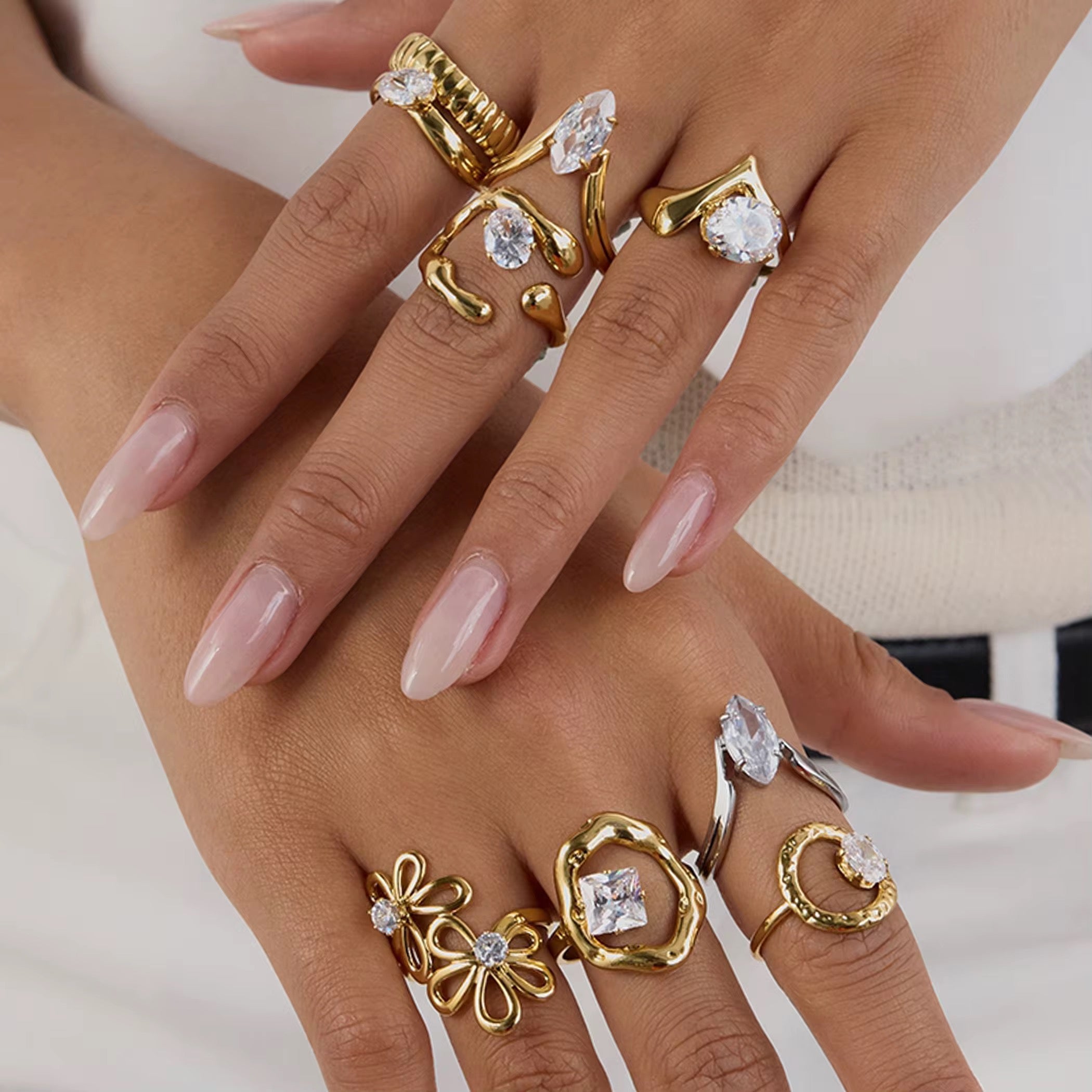
Smooth and minimal band rings without raised stones are easier to remove when needed and are generally more compatible with glove use in clinical settings.
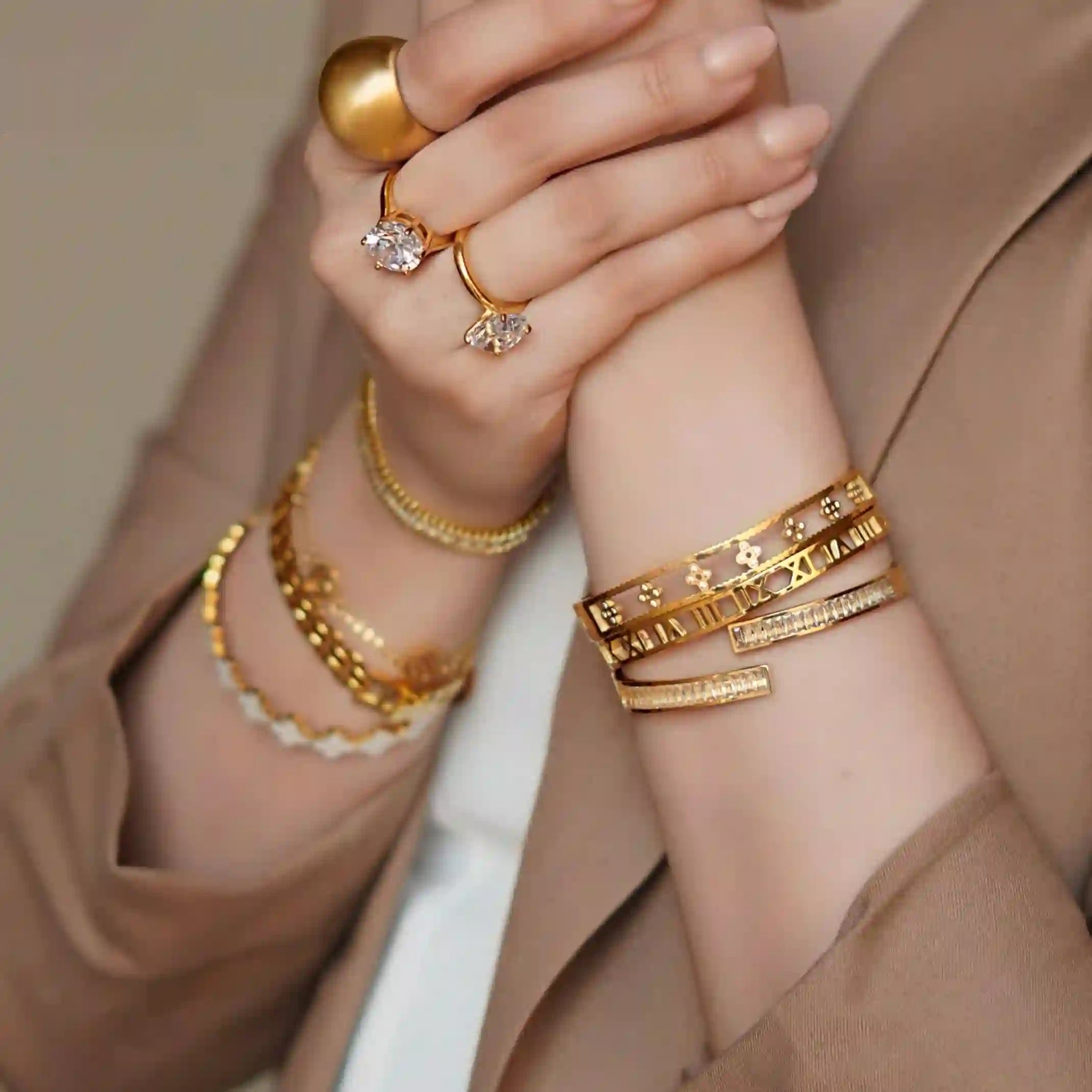
Wrist jewelry may not be suitable for all clinical areas depending on hospital policies. Some users prefer wearing bracelets outside work hours or in non-clinical spaces.
Managing hygiene routines during shifts
Healthcare workers manage repeated handwashing and sanitising routines throughout the day. Jewelry handling depends on workflow, department rules, and personal preference.
Stainless steel materials are commonly selected for daily wear because they generally perform more consistently under frequent exposure to moisture and sanitiser compared to some plated alternatives. Results may still vary depending on usage conditions.
Chains worn inside clothing usually have reduced exposure during hygiene routines. Rings and bracelets require more direct handling depending on clinical tasks.
Transition between work and after-hours wear
After long shifts, many people switch from clinical wear to everyday styling. Simple and lightweight jewelry can make this transition easier.
A basic set—small studs, a plain chain, and a minimal ring—can be used across both work and non-work environments with minor adjustments during clinical hours.
Material considerations
Healthcare environments involve repeated exposure to water, sanitiser, and long wearing hours. These conditions may affect how different materials perform over time.
Brass-based plated jewelry may show visible changes with frequent exposure to moisture and alcohol-based sanitiser depending on coating and usage. Stainless steel with durable coating options is often selected for more consistent appearance under regular use conditions.
For more detailed material behavior, refer to related guides on jewelry care and exposure to water and sanitiser in daily wear contexts.
Simple jewelry kit for daily use
-
Small stud earrings. Lightweight designs with secure backing. Suitable for long wear and reduced interference with PPE.
-
Plain chain necklace. Short length, worn inside clothing during work, and adjustable for after-hours use.
-
Minimal ring. Smooth surface band that can be removed when required and worn during non-clinical moments.
These pieces are designed around simplicity, comfort, and ease of use in structured work environments.
FAQ
Can healthcare workers wear jewelry during shifts?
It depends on hospital policy and department guidelines. In many clinical areas, minimal jewelry is preferred for hygiene and safety, while non-clinical areas may allow more flexibility.
What type of jewelry is easier to use with gloves?
Smooth, flat designs such as plain bands and small stud earrings are generally easier to manage with gloves compared to raised or bulky pieces.
Does sanitiser affect jewelry?
Frequent exposure to alcohol-based sanitiser may influence plated surfaces over time depending on material and coating type.
What is a practical daily set?
A simple combination of stud earrings, a lightweight chain, and a minimal ring is commonly used for balancing work and daily wear needs.
Where can suitable pieces be found?
Collections focused on simple and durable designs are available in everyday jewelry ranges, including stainless steel and coated finishes designed for frequent use.

Leave a comment
This site is protected by hCaptcha and the hCaptcha Privacy Policy and Terms of Service apply.