

Filters
59 products
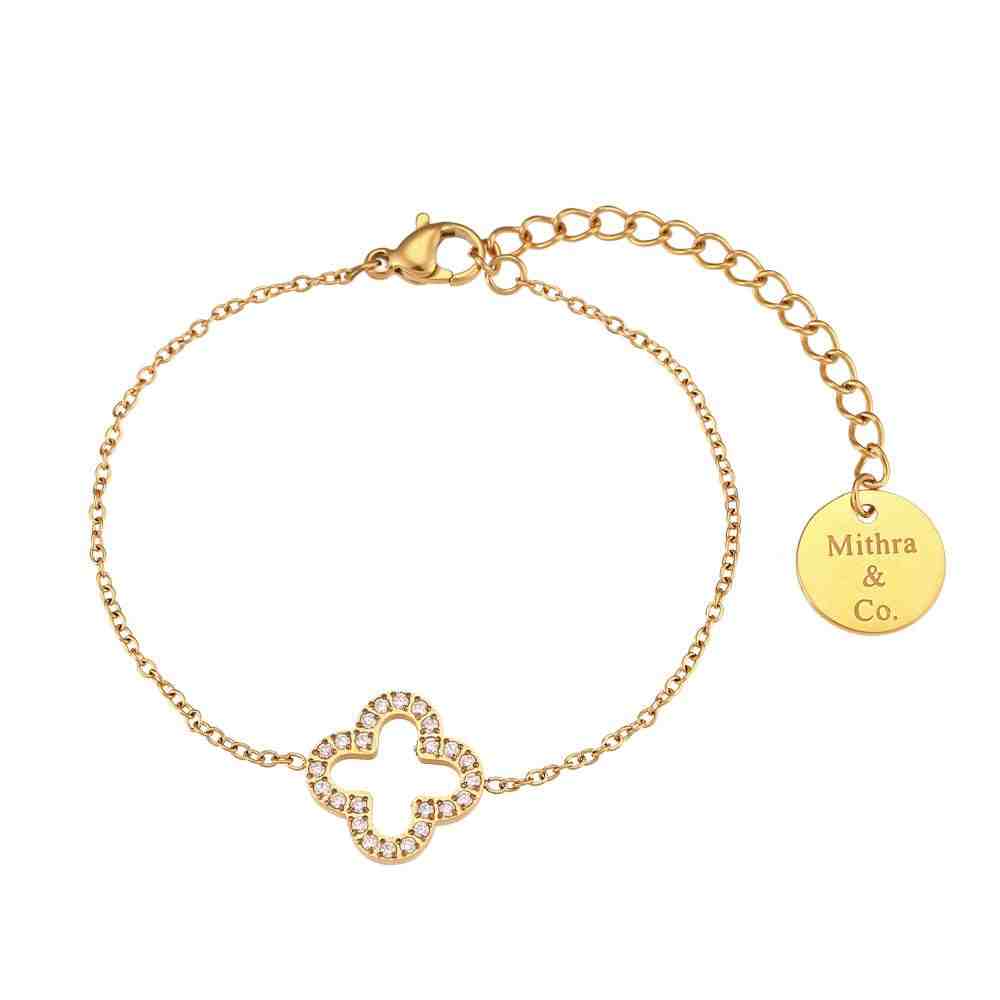
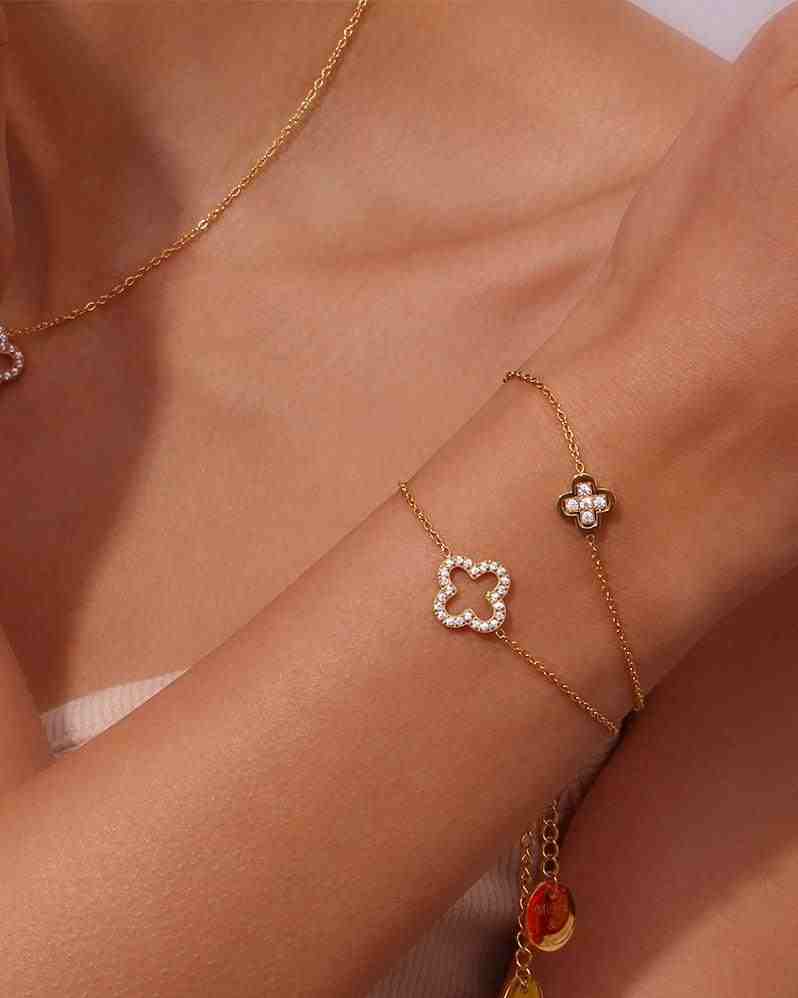
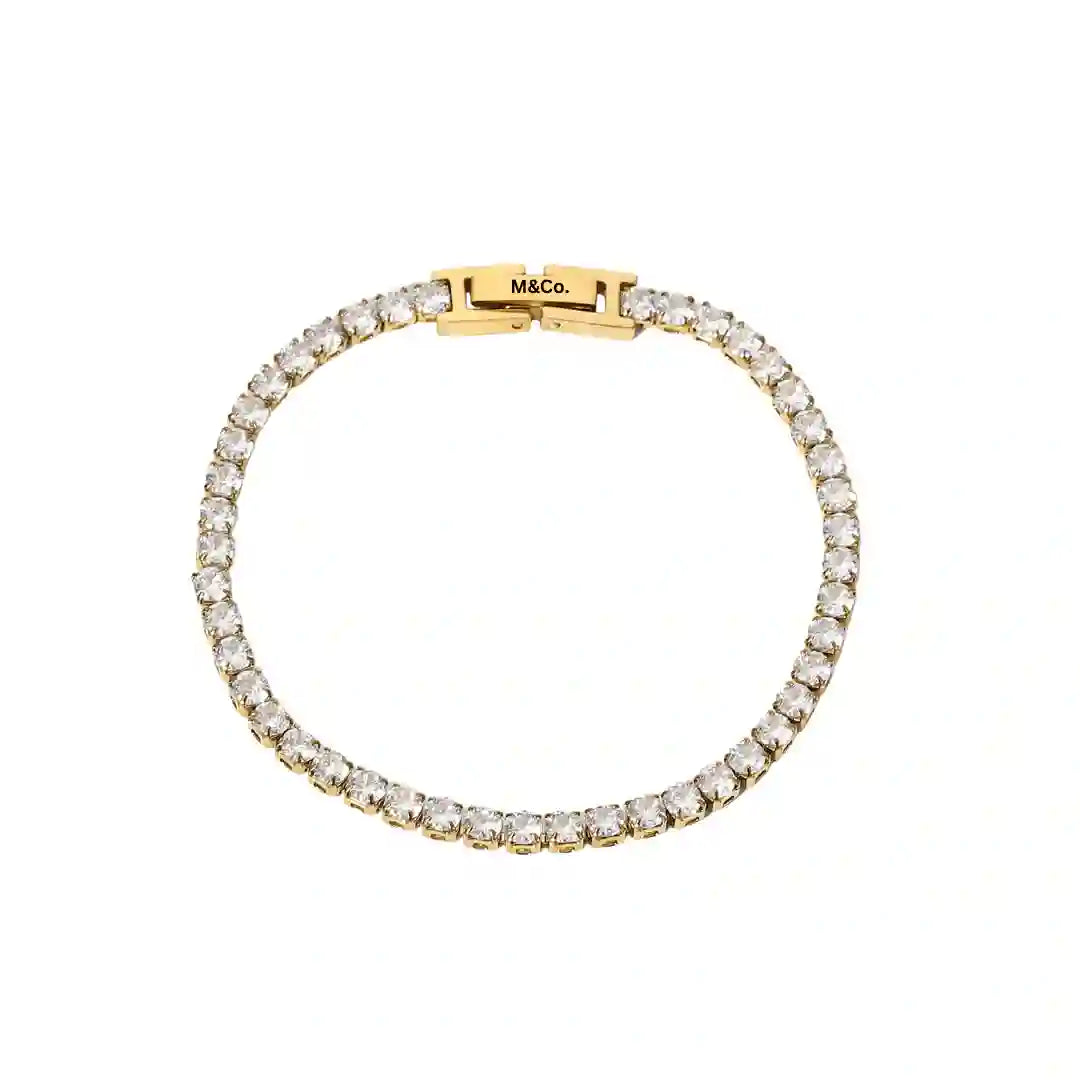
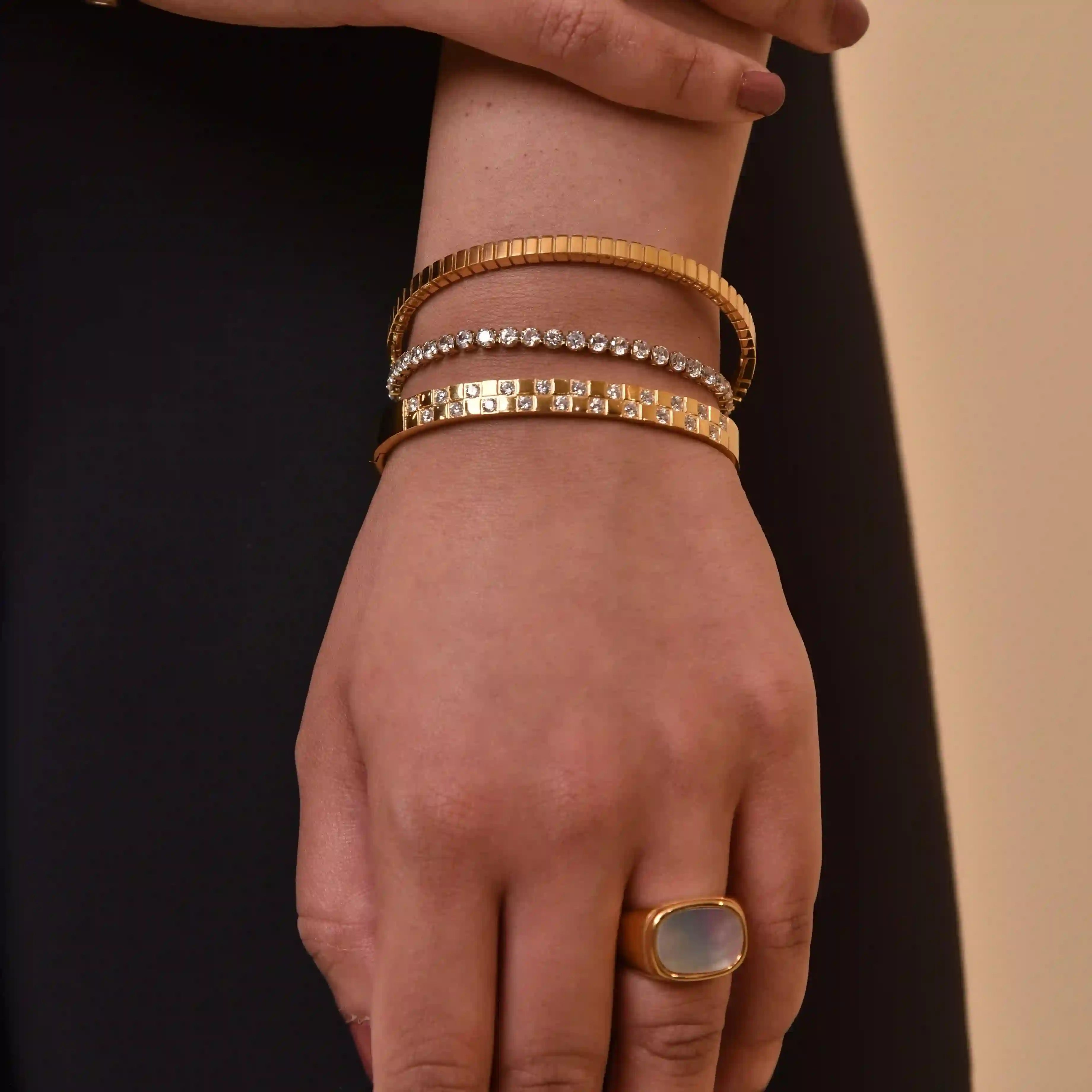
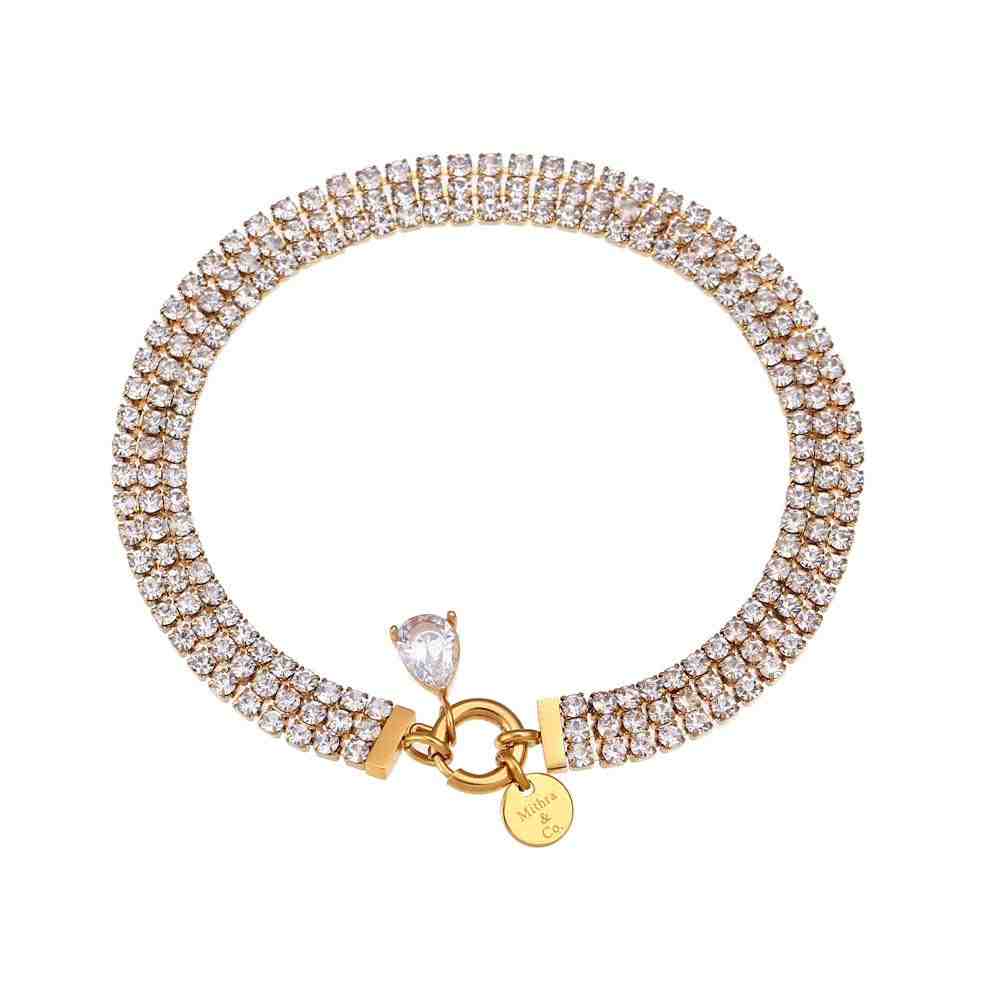
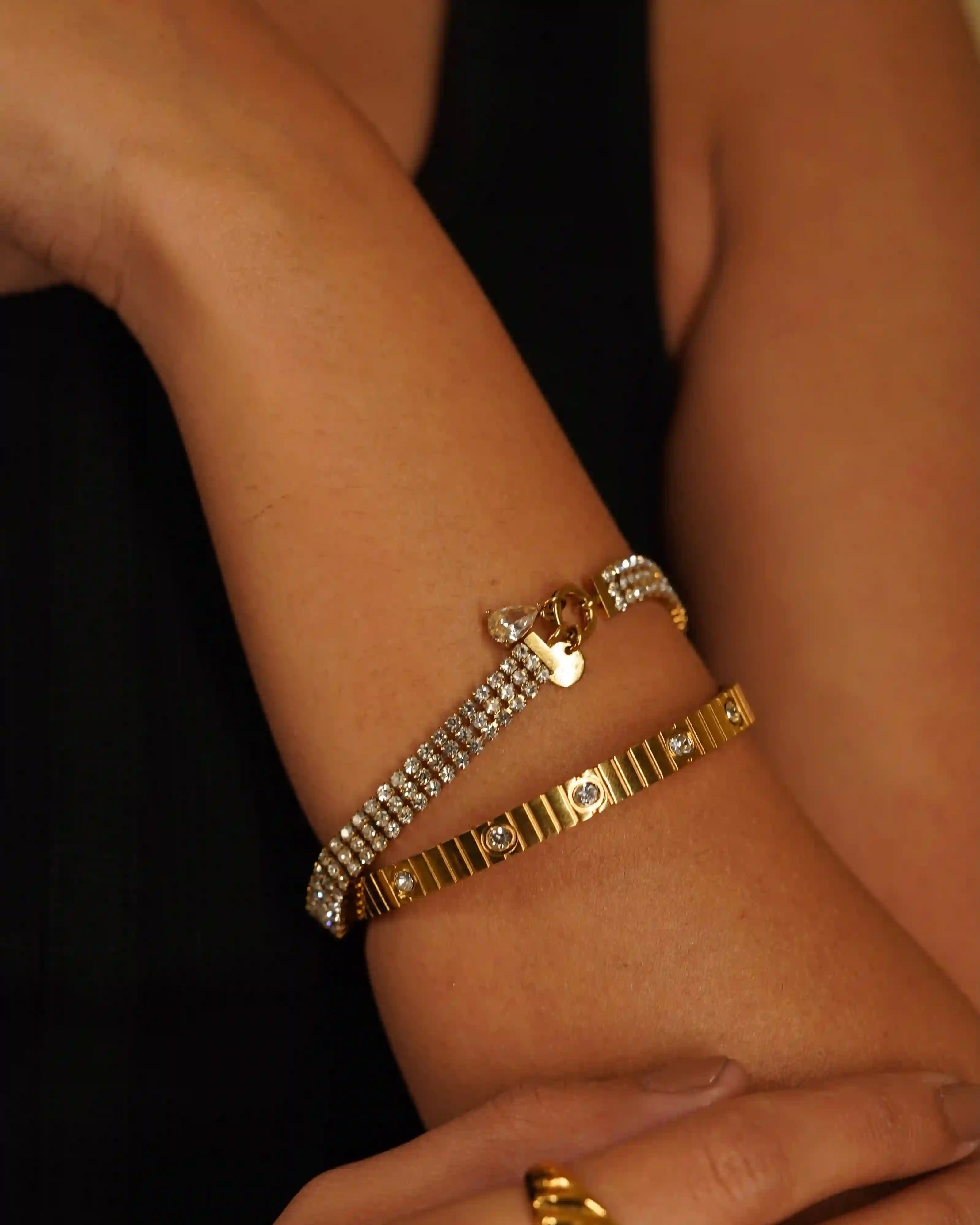
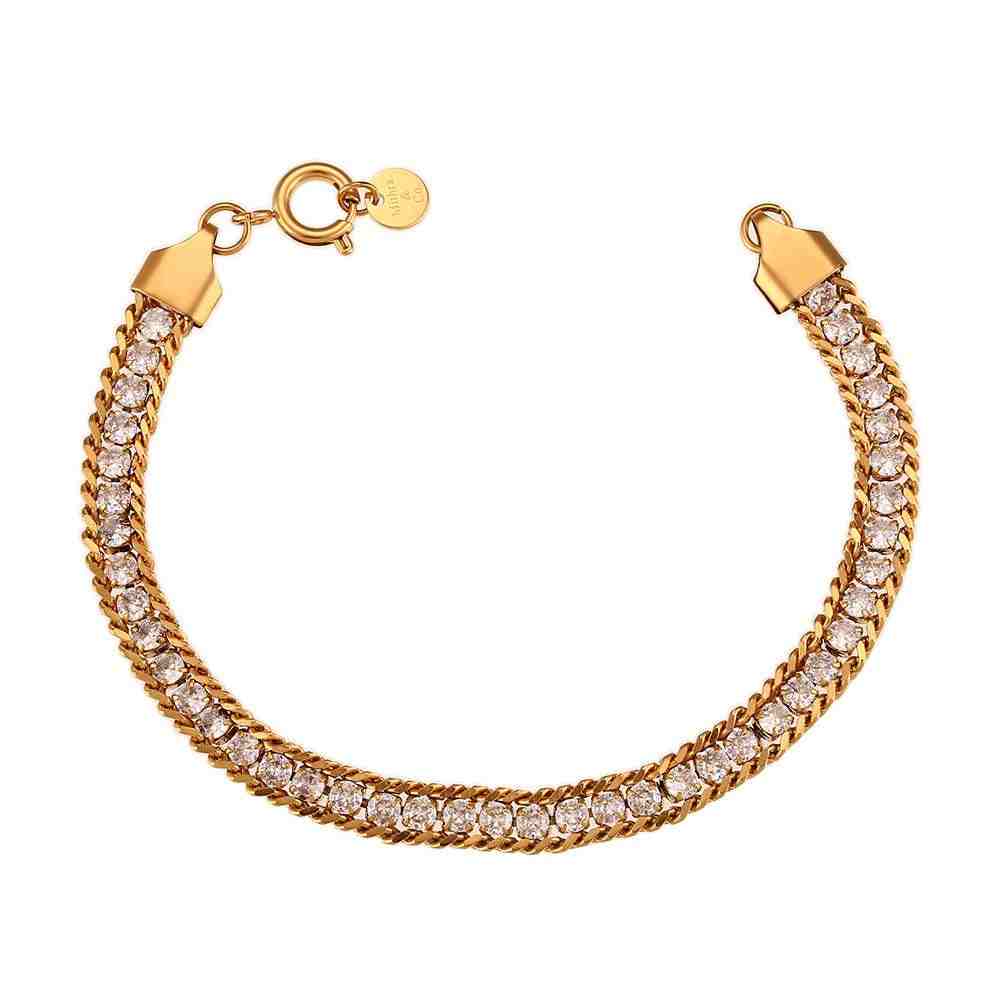
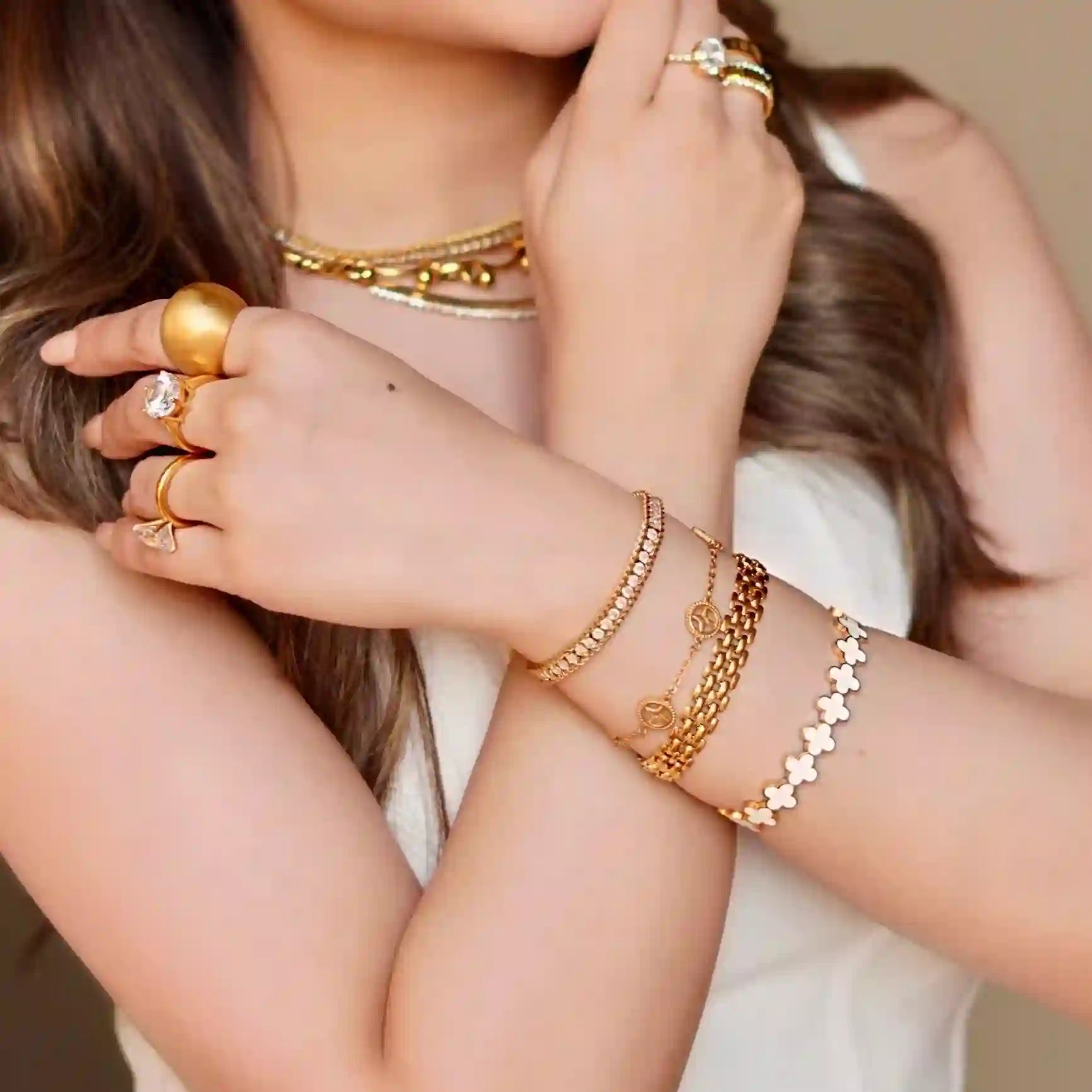
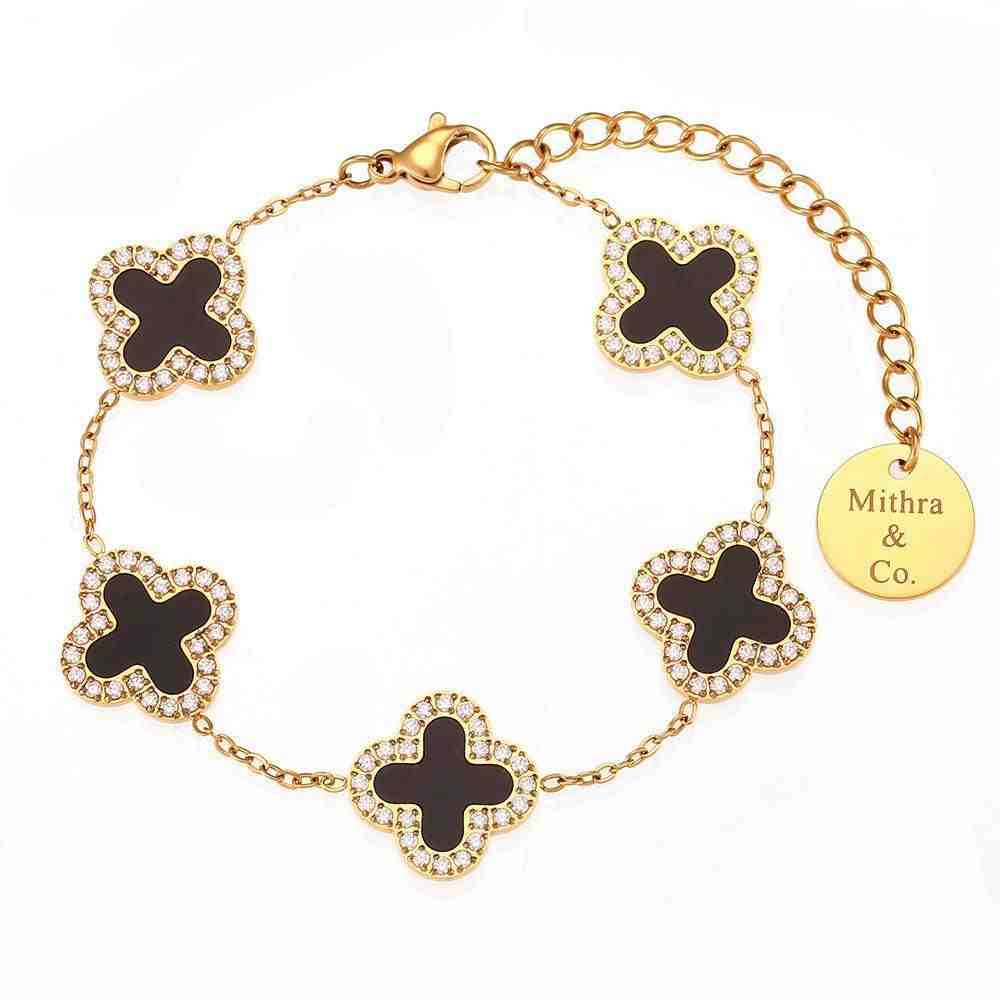
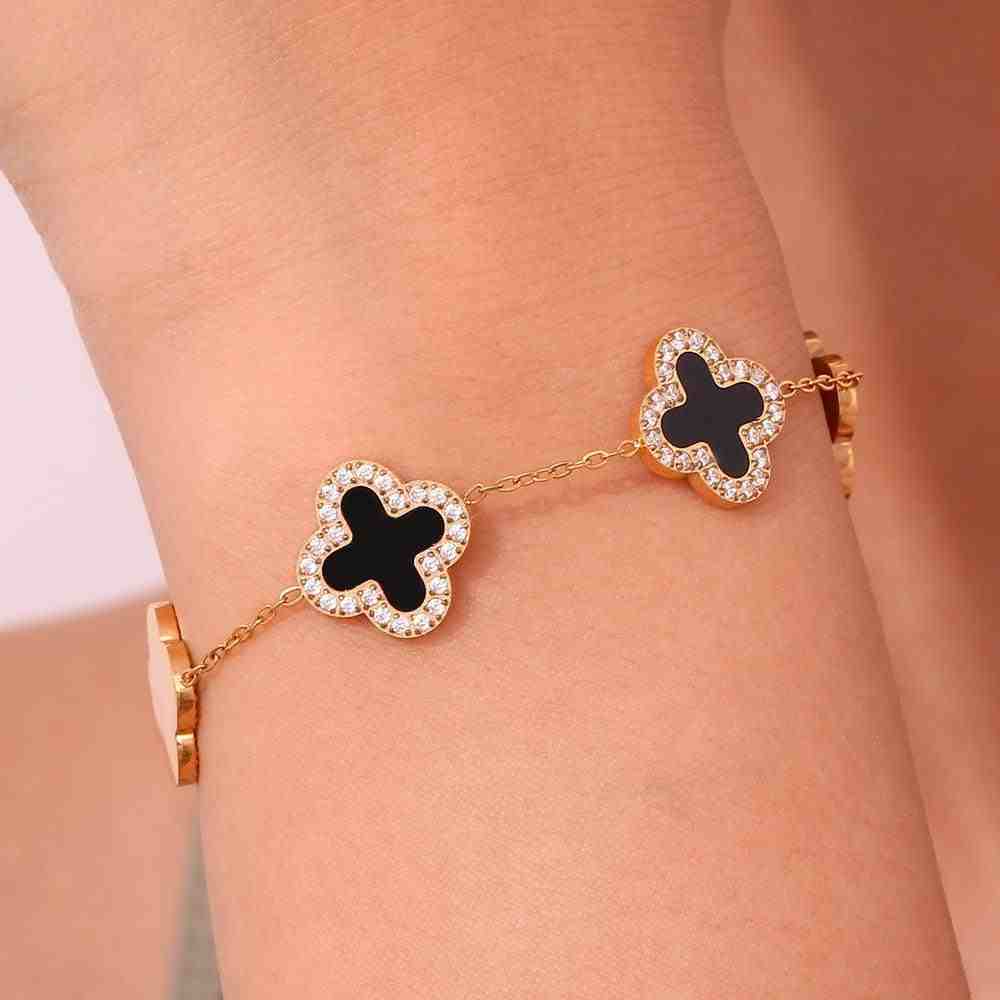
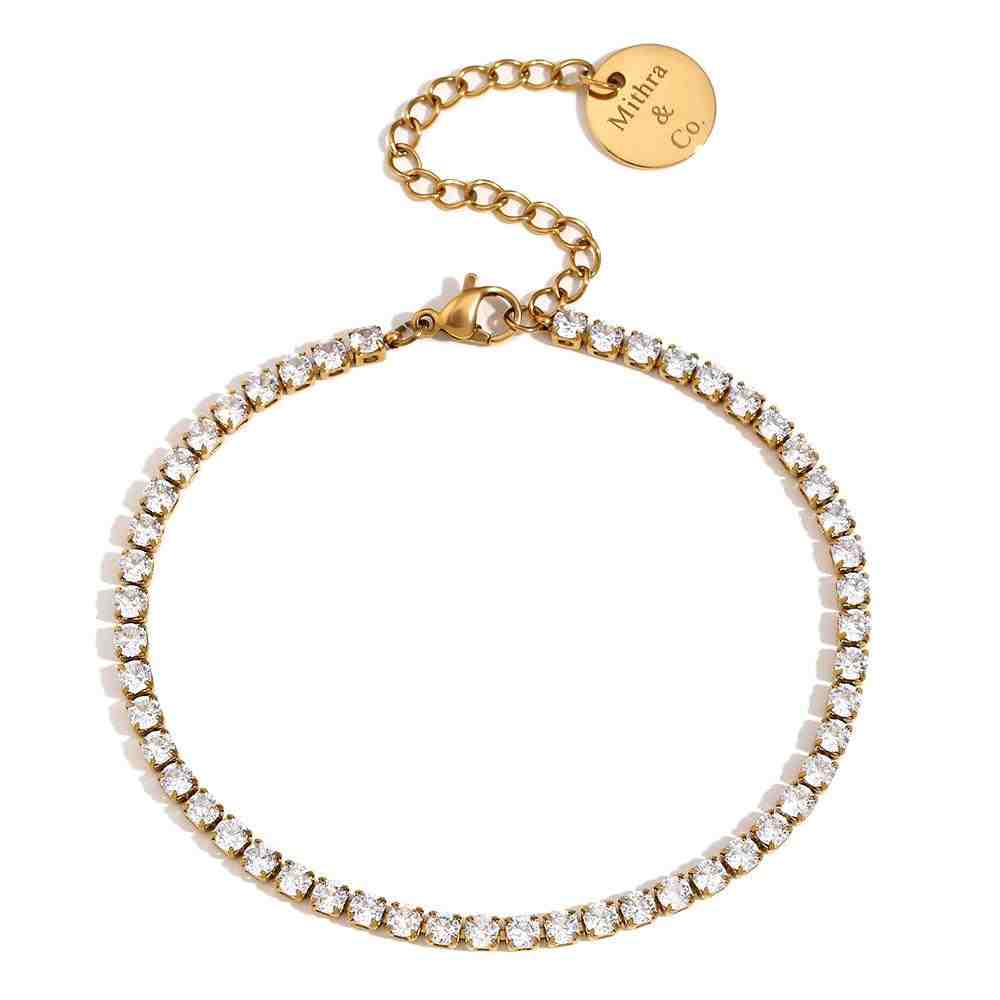
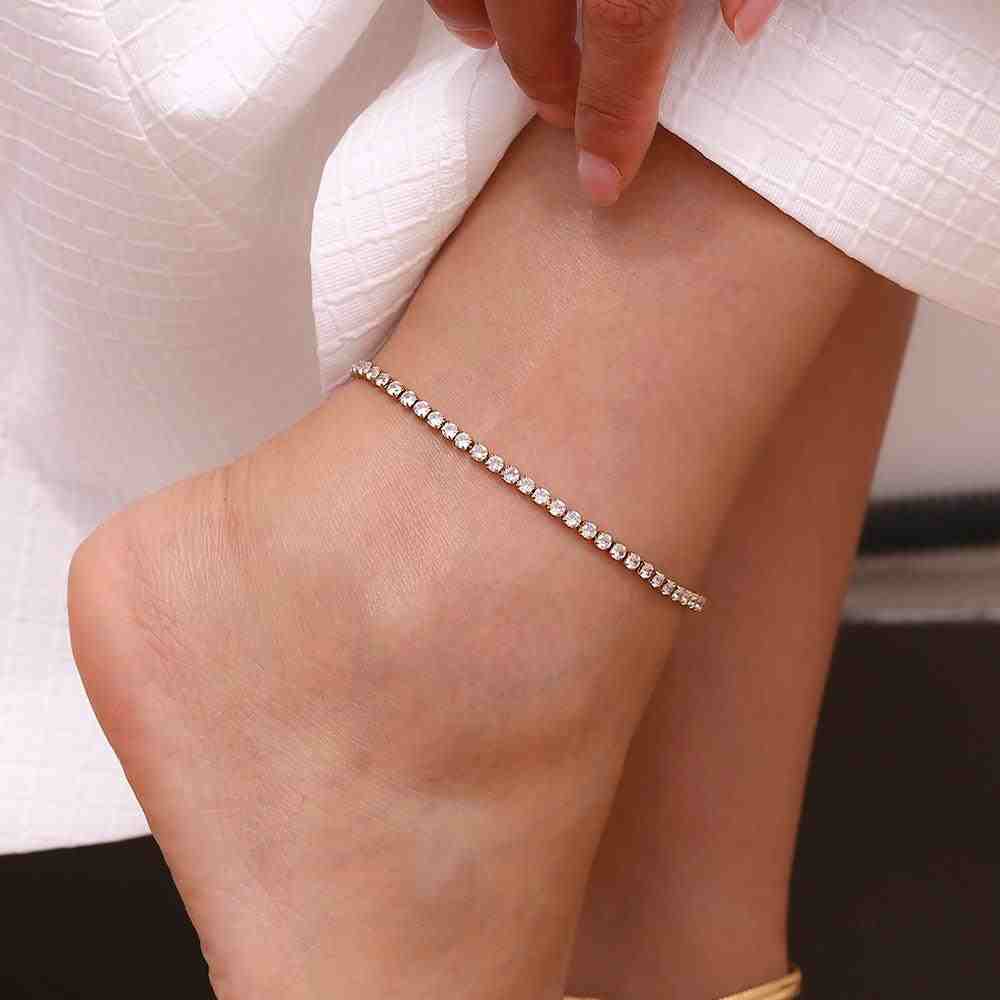
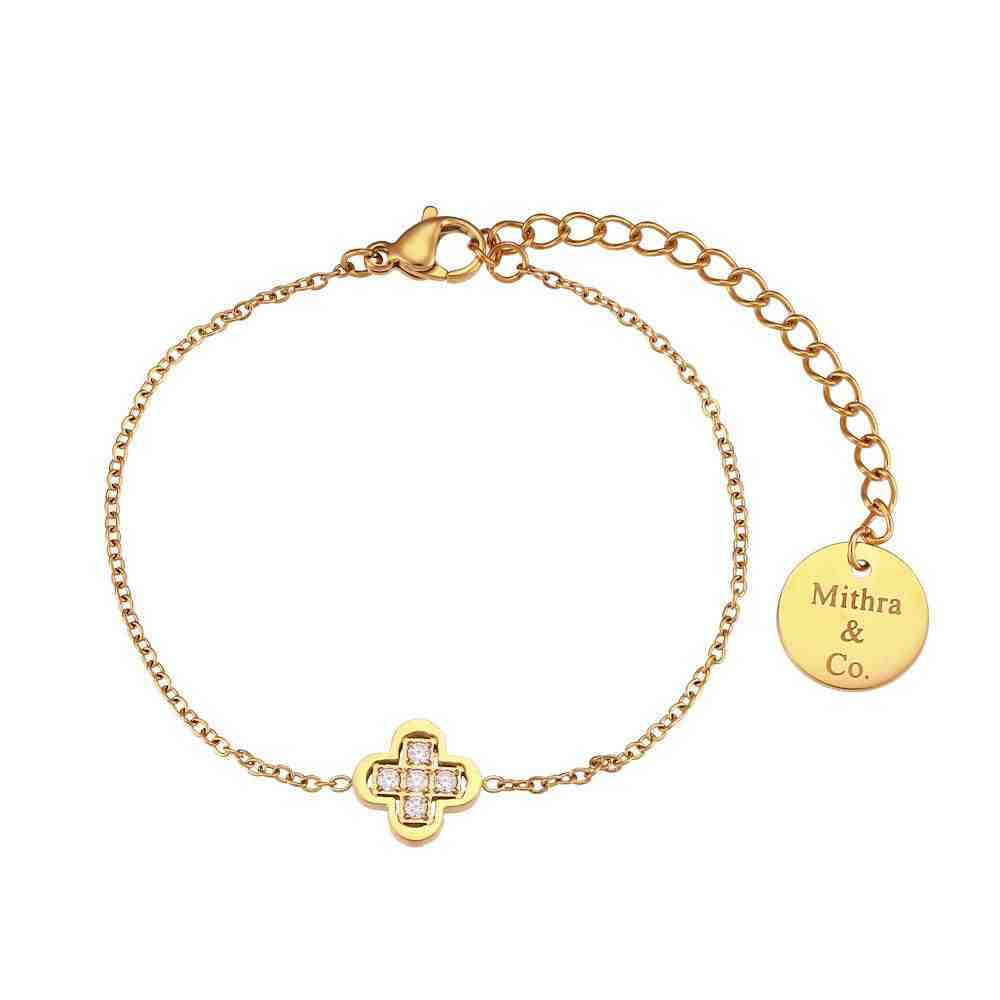
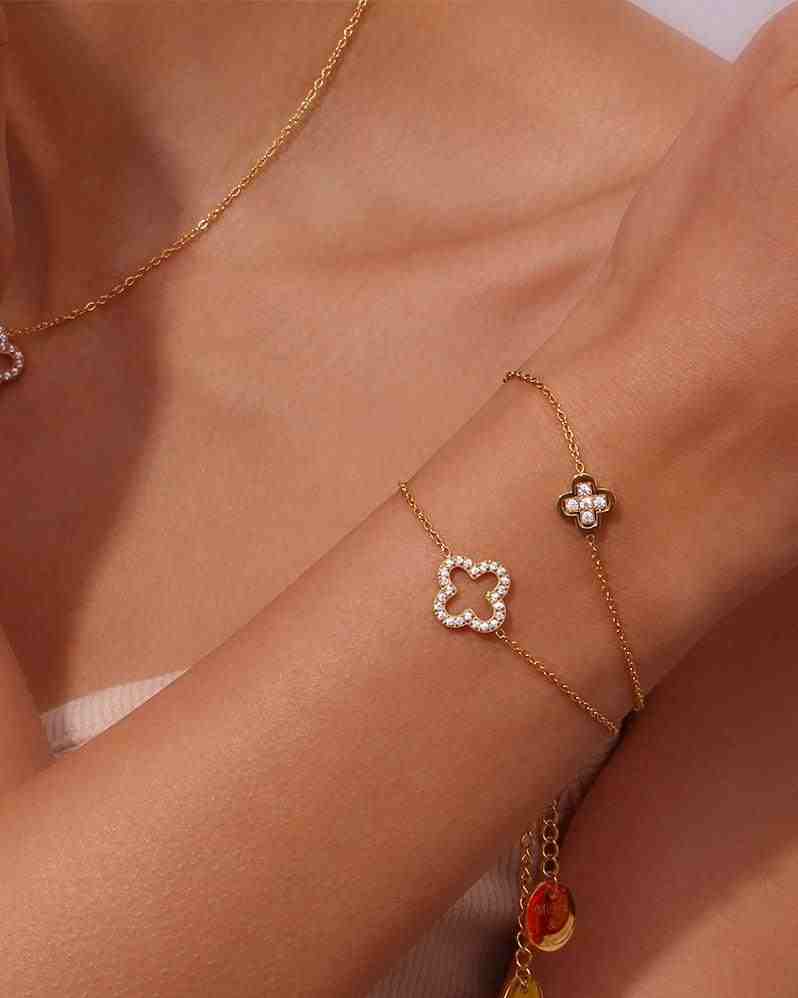
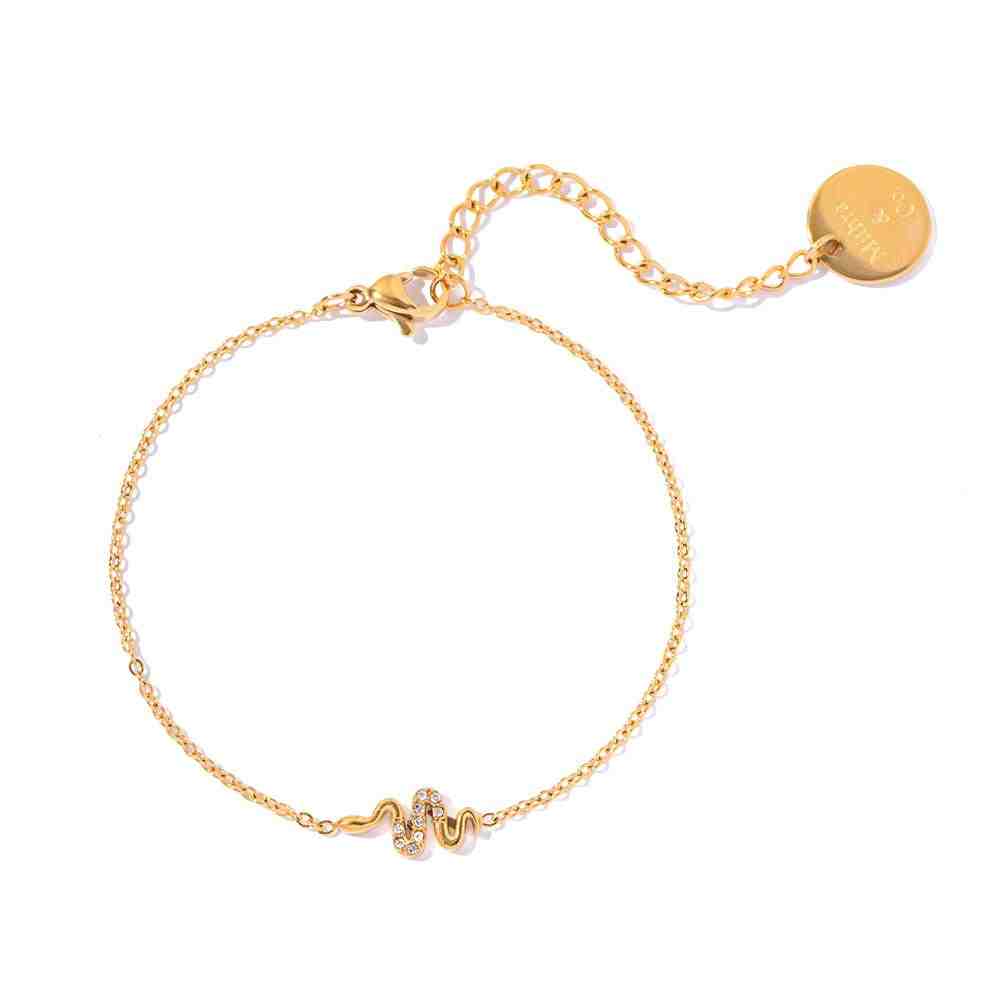
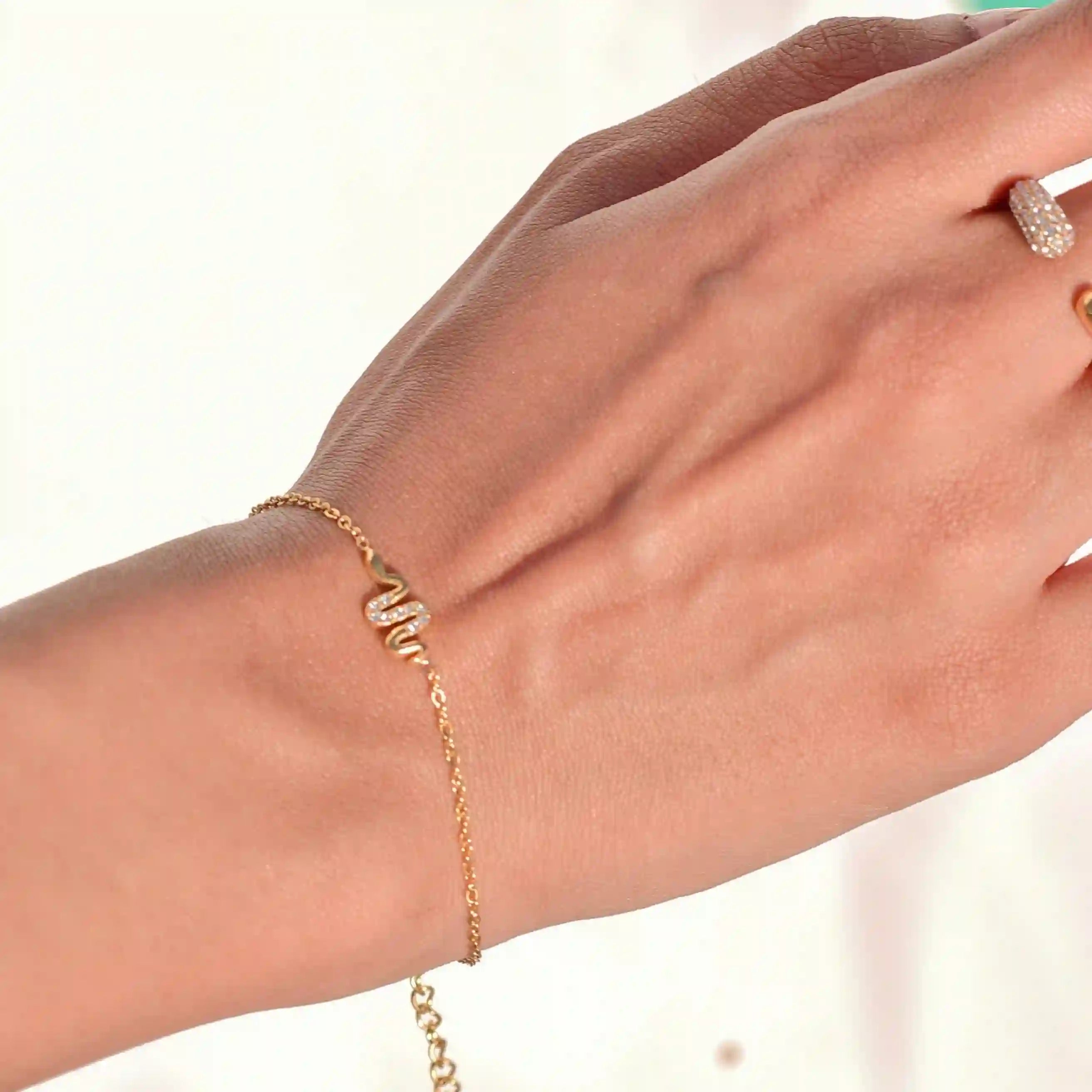
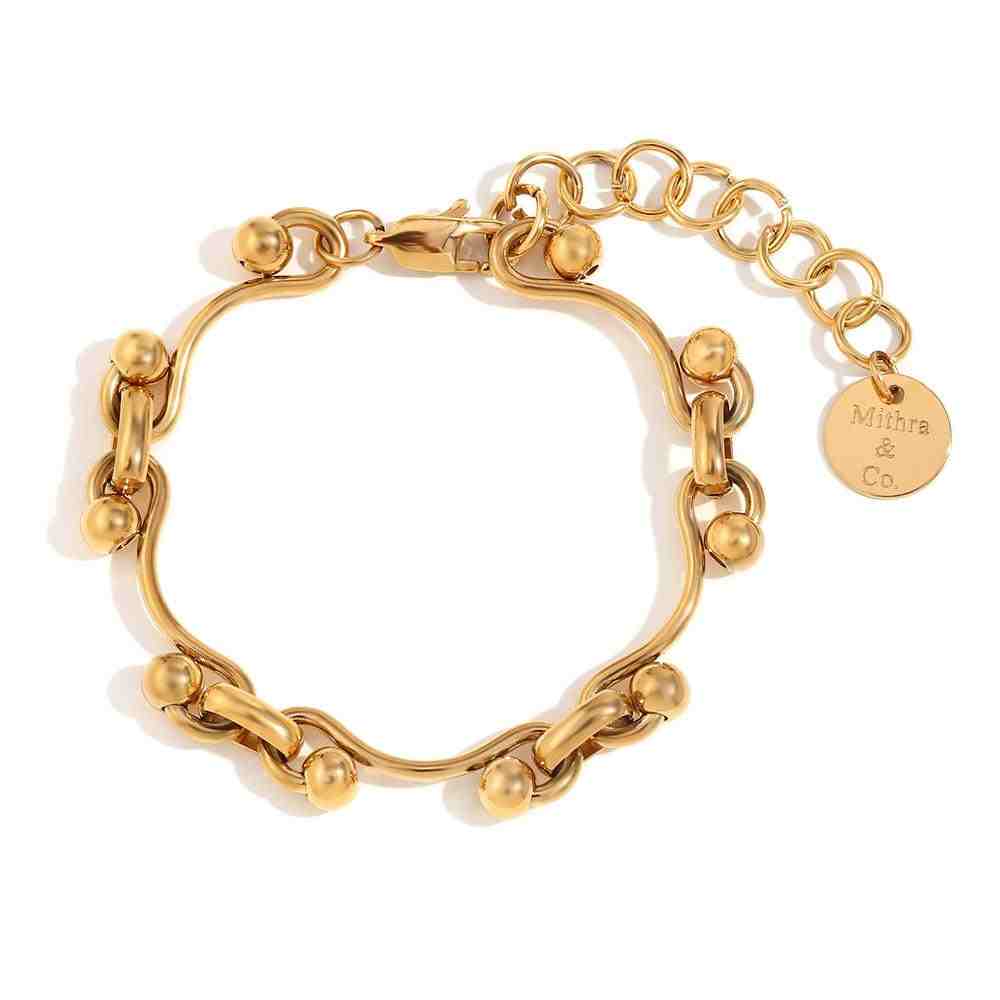
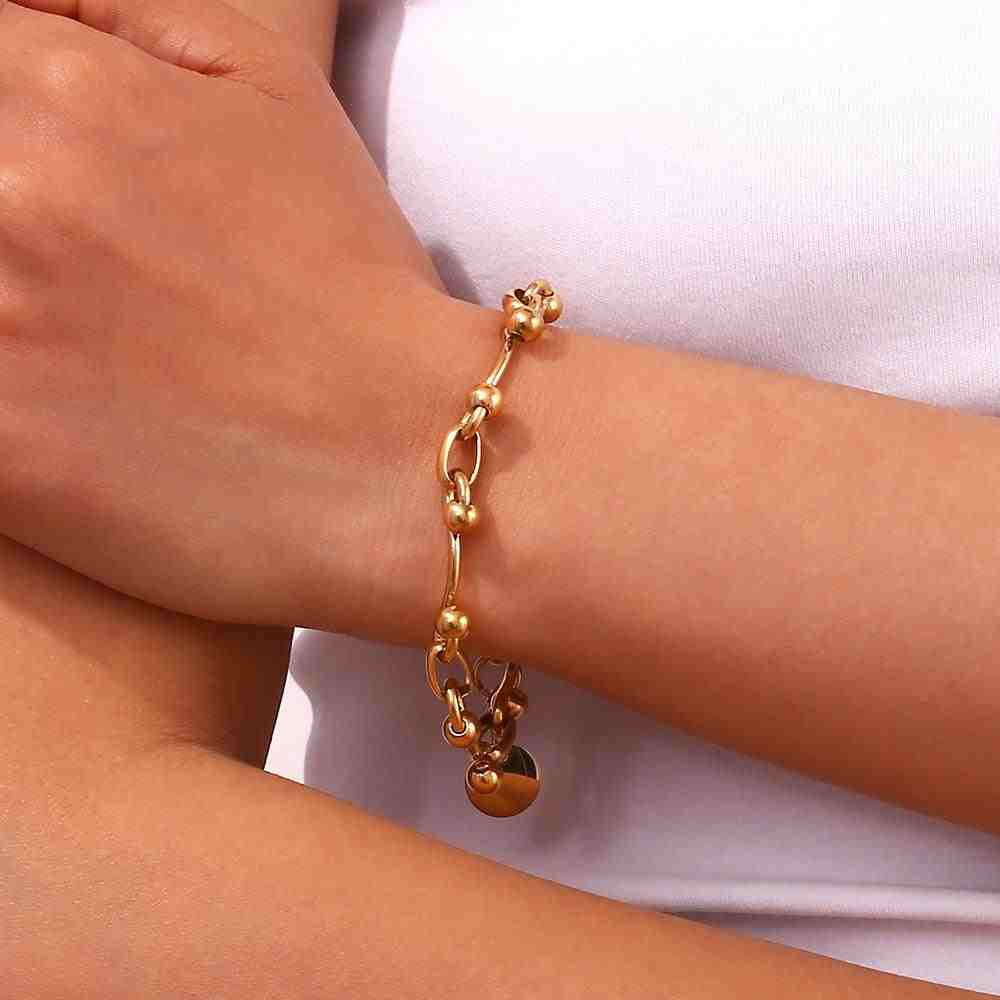


Gold & Silver Plated Bracelets for Women in Pakistan
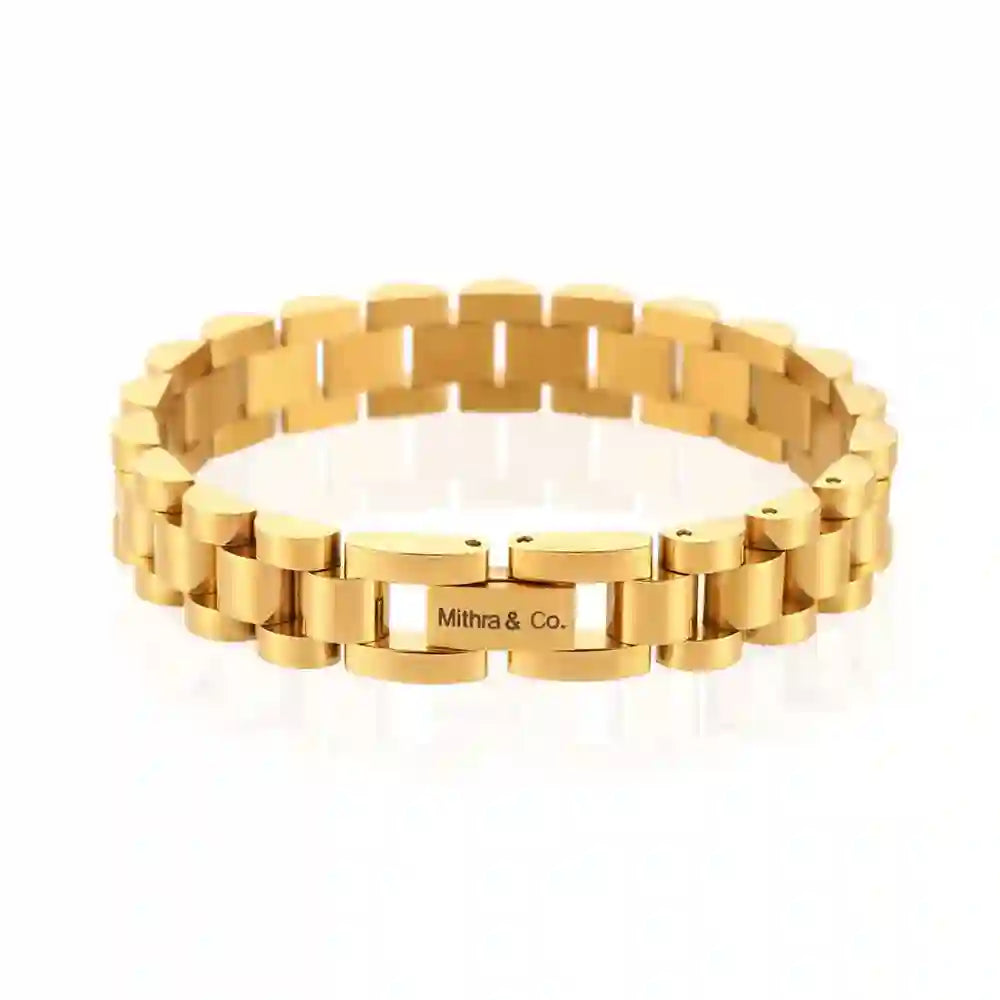
Bracelets are one of the few jewelry pieces that stay in constant contact with movement—typing, lifting, travel, and daily routines. This collection focuses on pieces that maintain structure under repeated use, not just static styling. At Mithra & Co., the range includes chain bracelets, cuffs, bangles, and watchband styles designed for different usage patterns across daily wear and occasional styling.
In Pakistan, bracelets are often used for both daily wear and event styling, which makes durability and comfort more important than appearance alone. This collection is built around how bracelets behave over time—how they move, how they hold shape, and how they respond to regular use.
What Are Gold-Plated Bracelets and How They Behave
Gold-plated and silver-toned bracelets use a stainless steel base with a coated outer layer. The outer finish provides color and appearance, while the inner structure determines durability. Unlike solid gold jewelry, plated bracelets are designed for controlled wear, where surface changes depend on usage rather than immediate damage.
Over time, contact areas such as desk pressure, stacking friction, and wrist movement influence how the surface evolves. This is not a defect—it is a usage pattern. Understanding this difference helps in choosing the right type for your routine.
Bracelet Types and Their Real Use Cases
Different bracelet types are built for different movement conditions. Choosing the right one depends less on style and more on how frequently and in what way it will be worn.
- Chain bracelets: Flexible structure that moves with the wrist. Suitable for long hours, daily wear, and continuous use.
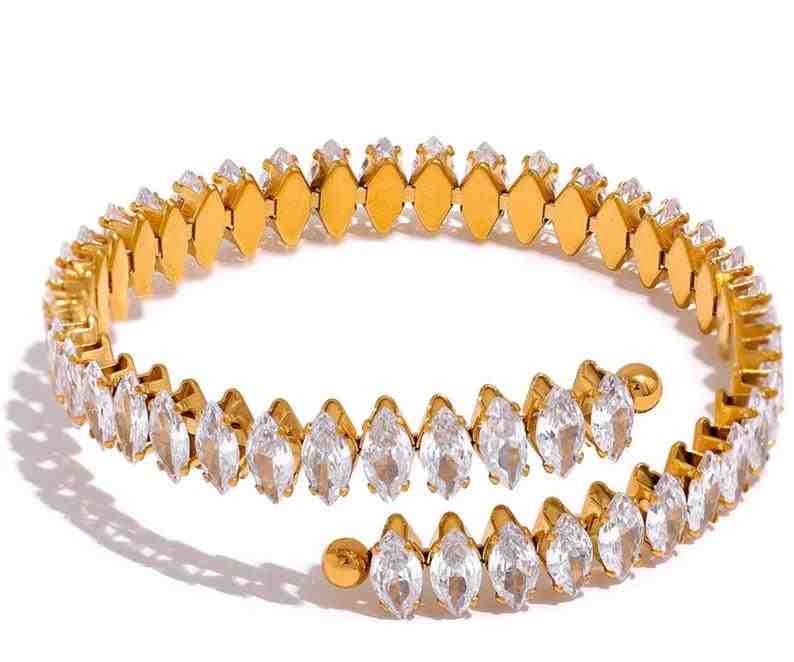
- Cuffs: Semi-rigid design that holds shape. Works better for short-duration wear or styling-focused use.
- Bangles: Fully fixed circular form. Creates a defined look but requires correct sizing for comfort.
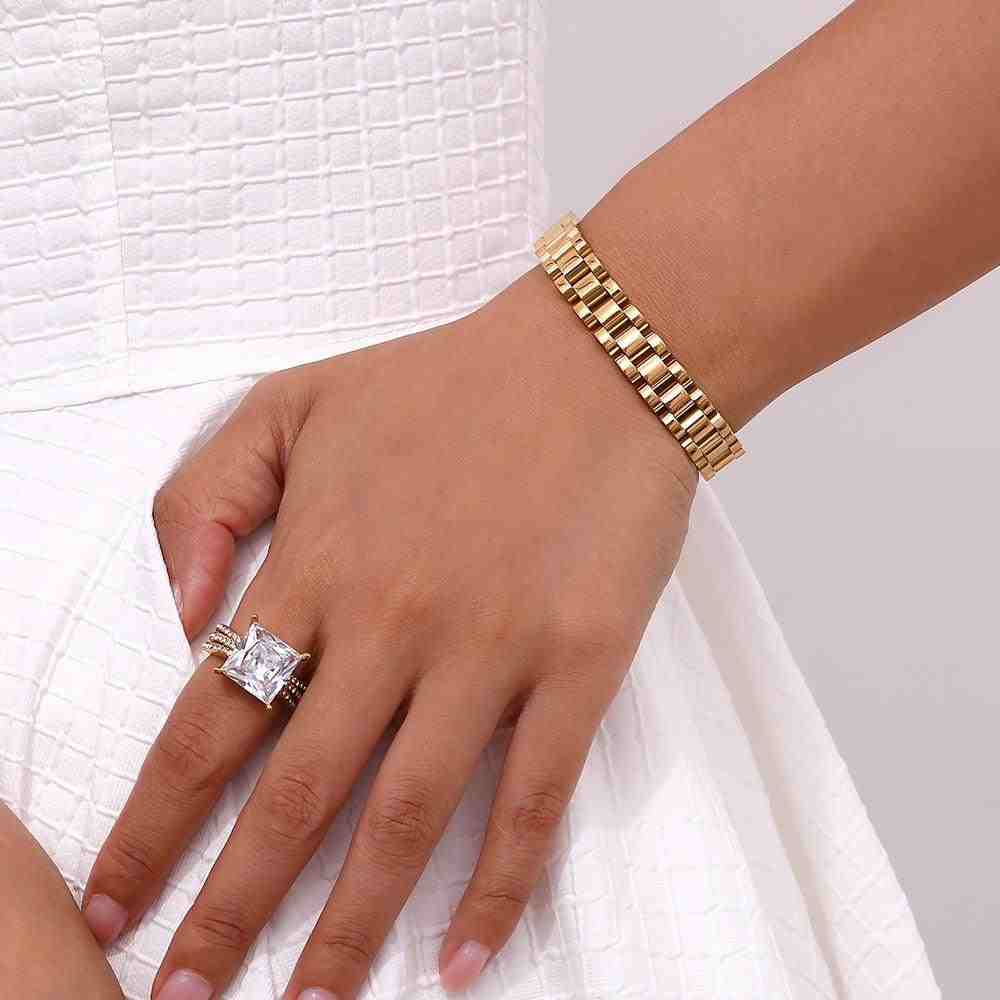
- Watchband styles: Balanced between structure and flexibility. Suitable for users who want stability without full rigidity.
This distinction directly affects comfort, durability, and how the bracelet interacts with repeated motion.
Material Structure and Durability
All bracelets in this collection use stainless steel as a base material with PVD coating. This combination is selected for its resistance to bending, corrosion, and structural deformation under regular handling.
The outer layer does not remain visually static. Instead, it adapts based on friction exposure, moisture, and stacking. The internal structure remains stable, while the surface develops gradual variation over time.
For a detailed breakdown, refer to our guide on stainless steel with 18K PVD plating.
How to Choose the Right Bracelet for Your Use
Selection should be based on usage conditions rather than appearance alone.
- For daily wear in office or university settings: chain or watchband styles perform better due to flexibility
- For events, weddings, or short-duration wear: cuffs and bangles provide stronger visual definition
- For stacking and layered looks: thinner chains create less friction compared to rigid pieces
- For minimal styling: single chain bracelets maintain consistency across outfits
Users in cities like Karachi and Lahore often prefer lightweight, flexible designs due to longer wear hours and climate conditions, where sweat and movement play a role in surface behavior.
Stacking Behavior and Layering Impact
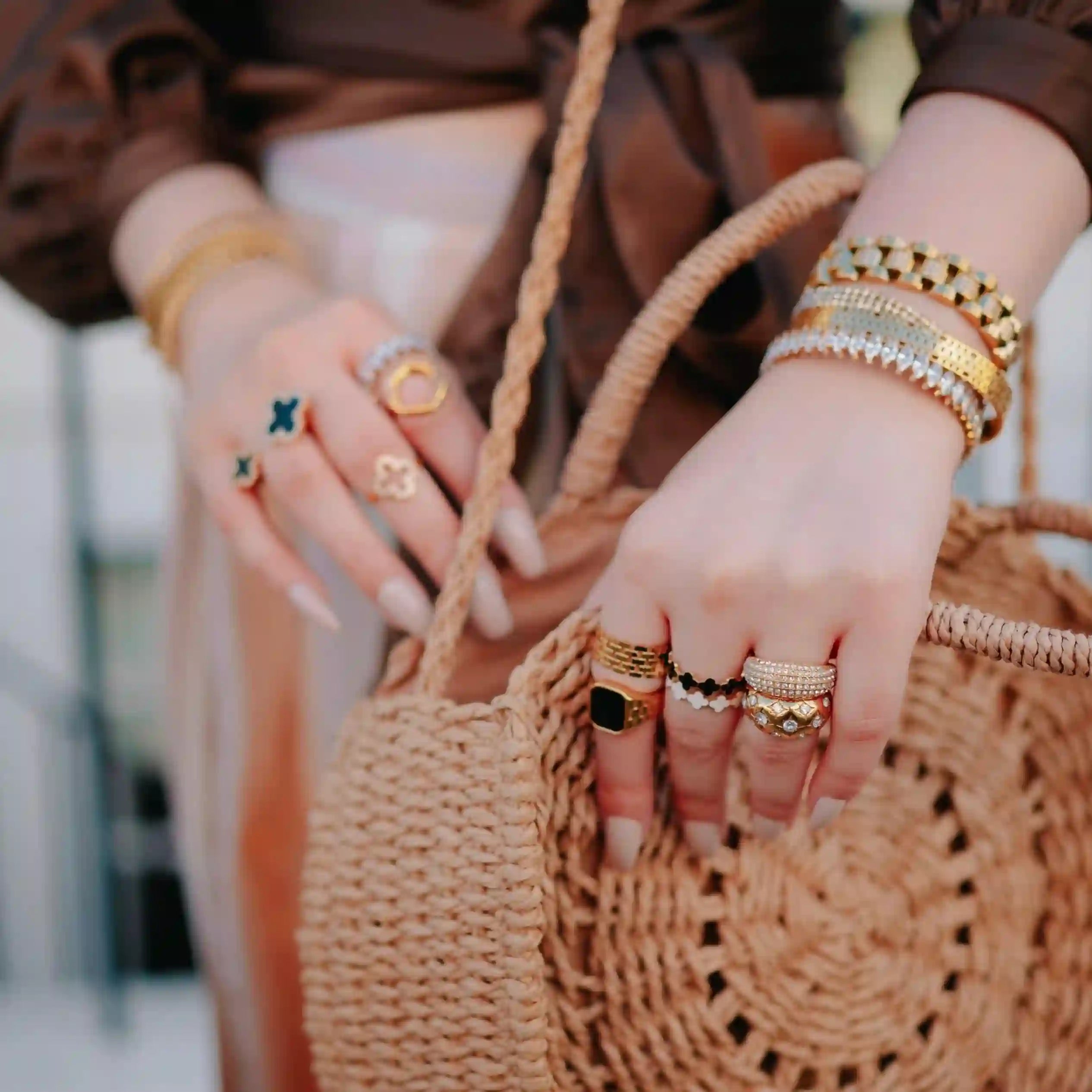
Stacking changes how bracelets wear over time. A single bracelet maintains isolated contact points, while multiple pieces introduce friction between surfaces.
Chains overlap and move together, creating a layered texture. Bangles and cuffs create spacing patterns instead of overlap. This difference affects both appearance and wear rate.
Stacking is not just visual—it directly influences durability patterns.
Explore Bracelet Styles
- Watchband styles for structured daily wear
- Cuffs and bangles for fixed form styling
- Chain bracelets for flexible layering
Fit, Comfort, and Long Wear Behavior
Fit determines how a bracelet behaves during extended use. Adjustable chains reduce pressure points by allowing slight movement. Fixed-size bangles rely on accurate sizing to prevent discomfort. Smooth finishing reduces friction against skin, especially during long wear in warm conditions.
Care and Surface Stability
Bracelets experience constant exposure to moisture, sweat, and handling. Surface changes occur gradually and are influenced by usage patterns rather than time alone.
- Wipe with a soft cloth after use
- Avoid direct contact with perfumes and chemicals
- Store separately to reduce friction between pieces
For detailed care practices, refer to our jewelry care guide.
FAQs
Q1. Which bracelet type is best for daily wear in Pakistan?
A: Chain and watchband bracelets are more suitable for daily wear because they adjust to wrist movement and reduce pressure during long hours.
Q2. Do gold-plated bracelets tarnish over time?
A: Surface changes can occur depending on exposure to moisture, friction, and chemicals. This is gradual and varies based on usage conditions.
Q3. How long do artificial bracelets last?
A: Longevity depends on wear frequency, care, and exposure. Bracelets used occasionally retain surface appearance longer than those worn daily.
Q4. Is it safe for sensitive skin?
A: Stainless steel base materials are generally more stable compared to mixed alloys, but individual sensitivity can vary.
Q5. Does stacking multiple bracelets cause faster wear?
A: Yes. Stacking increases friction between pieces, which can accelerate surface change in high-contact areas.